Posts

Panoramic Photography: Stitching Multi-Row Panoramas

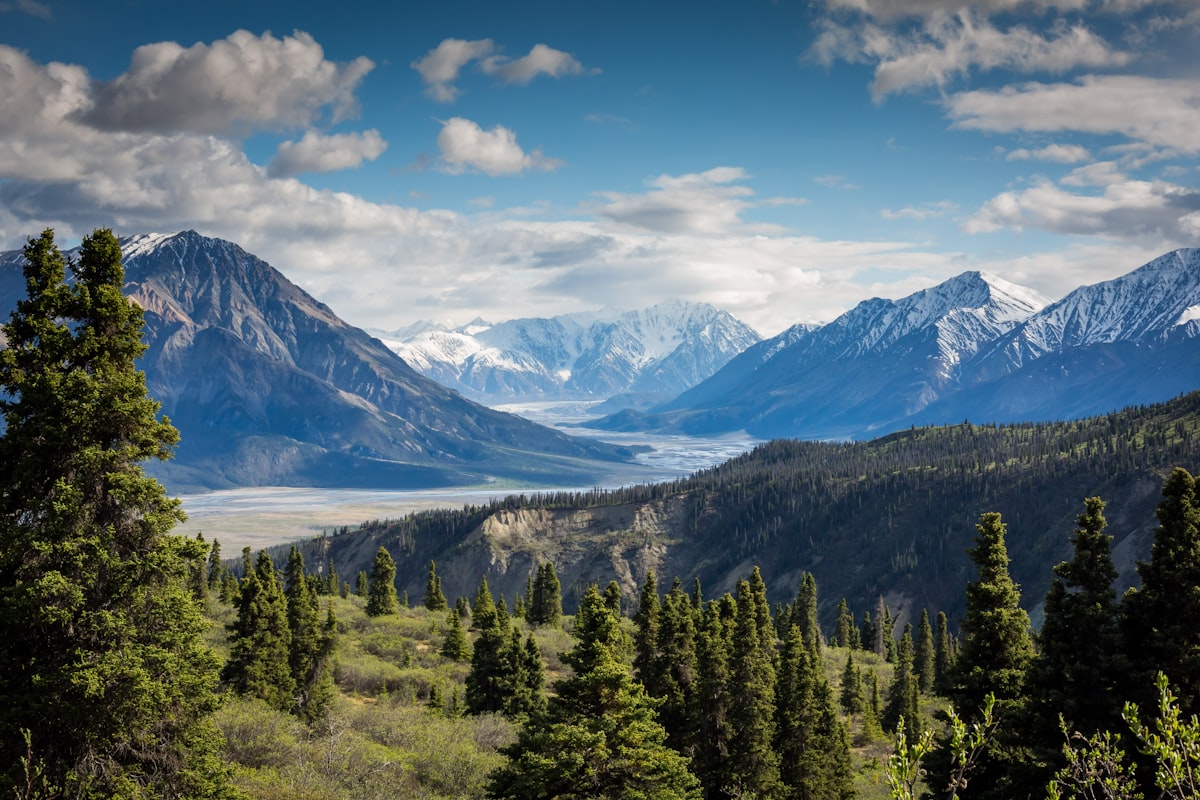
Single-row panoramas stitch a horizontal sweep into a wide image. Multi-row panoramas go further — stitching a grid of images that covers both horizontal and vertical space. The result is an image with massive resolution, full coverage of the scene, and creative possibilities that single exposures can’t match. Why Multi-Row Panoramas Resolution A single frame from a 45-megapixel camera gives you 45 megapixels. A 4x6 grid of overlapping frames from the same camera, stitched together, can produce an image exceeding 500 megapixels.

Using Graduated ND Filters in the Field

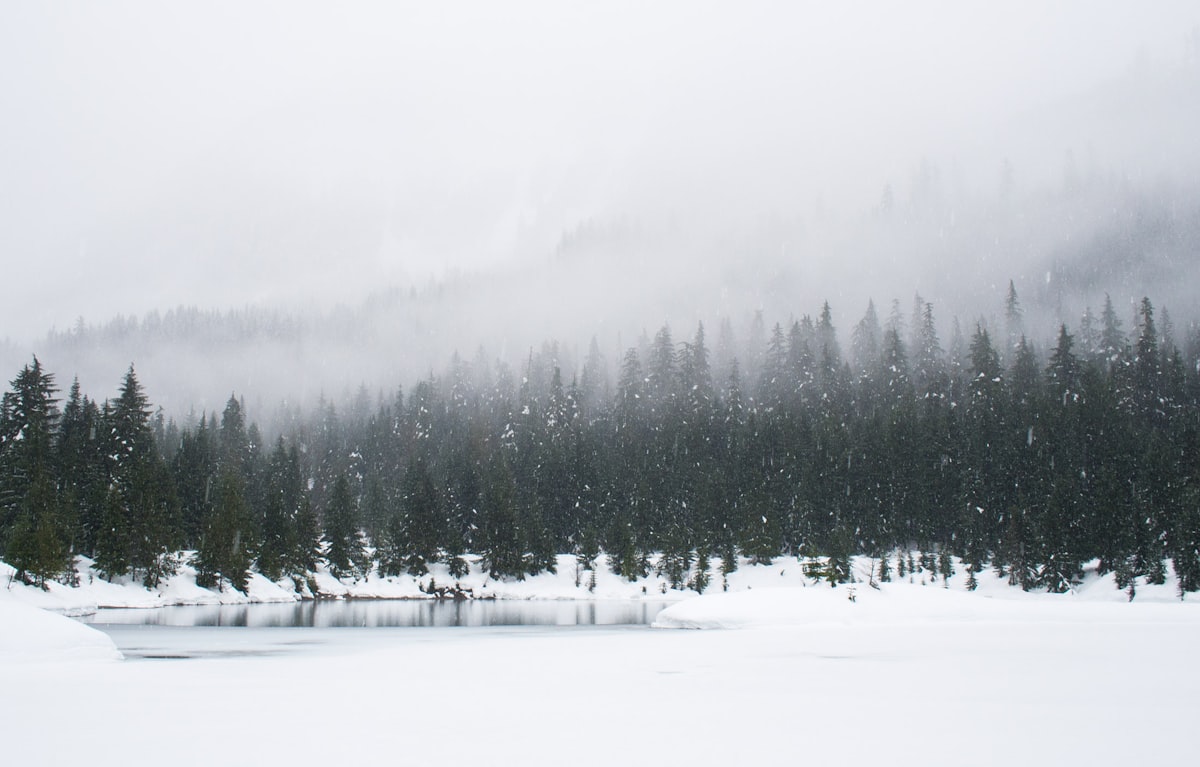
The fundamental challenge of landscape photography is dynamic range. The sky is often several stops brighter than the foreground, especially at sunrise and sunset. Your eyes handle this effortlessly. Your camera does not. Graduated neutral density filters solve this problem at the point of capture. What They Do A graduated ND filter is dark on one half and clear on the other, with a transition zone between them. You position the dark portion over the bright sky and the clear portion over the darker foreground.

Understanding Hyperfocal Distance for Razor-Sharp Landscapes

Front-to-back sharpness is one of the defining characteristics of strong landscape photography. Achieving it consistently requires understanding hyperfocal distance, a concept that sounds more complicated than it actually is. What Hyperfocal Distance Means The hyperfocal distance is the focus point that maximizes your depth of field for a given aperture and focal length. When you focus at the hyperfocal distance, everything from half that distance to infinity falls within acceptable sharpness.

Posts

Blue Hour Photography: The Overlooked Golden Time

Every photographer knows golden hour. Far fewer make deliberate use of blue hour — the period of deep twilight before sunrise and after sunset when the sky turns a rich, saturated blue. This overlooked window produces some of the most atmospheric landscape images possible, with a color palette and mood that no other time of day can match. When Blue Hour Happens Blue hour occurs when the sun is between 4 and 8 degrees below the horizon.

Posts

Photographing Snow Scenes Without Grey Mush

Snow confuses cameras. That clean white blanket that your eyes see as pure and bright shows up as dull, dingy gray in photographs. Every photographer encounters this, and many assume their camera isn’t performing well. The camera is working exactly as designed — the problem is that camera meters are designed around a specific assumption that snow violates. Why Snow Turns Gray Camera light meters assume that every scene averages to a medium tone — roughly 18% gray.

Post-Processing Landscape Photos: My Lightroom Workflow

Post-processing is where a good capture becomes a finished photograph. My approach to editing landscape images has simplified over the years. I aim for results that look natural and honest to the scene while bringing out the qualities that made me press the shutter in the first place. Here is my Lightroom Classic workflow, step by step. Step 1: Import and Cull I import RAW files with a dated folder structure: Year > Month > Location.

Posts

Desert Photography: Surviving the Elements

Desert landscapes offer some of the most visually striking photography on earth — endless dunes, eroded rock formations, vast salt flats, and skies with a clarity that humid environments can’t match. They also present extreme conditions that can damage gear, drain batteries, and endanger photographers who aren’t prepared. Protecting Yourself First Photography in the desert is a physical endurance challenge. The gear advice comes second to personal safety. Water. Carry far more than you think you need.

Posts

Using Drones for Landscape Photography

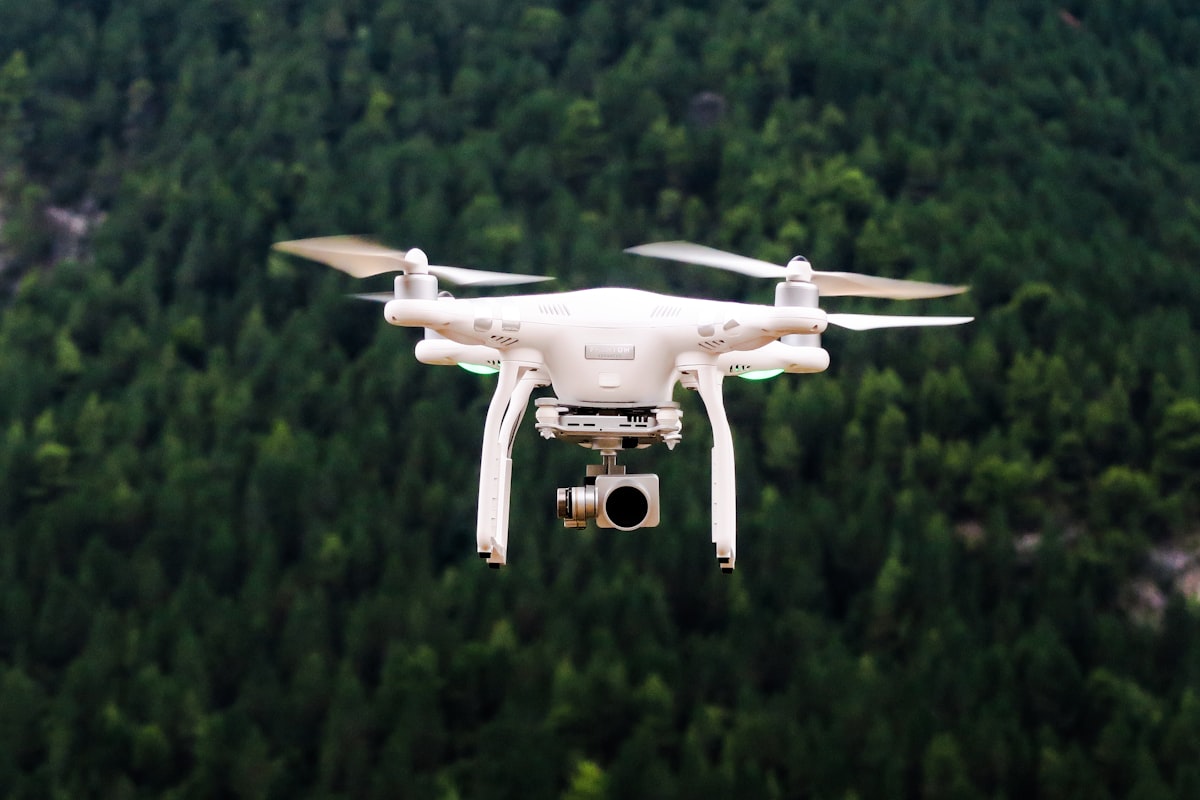
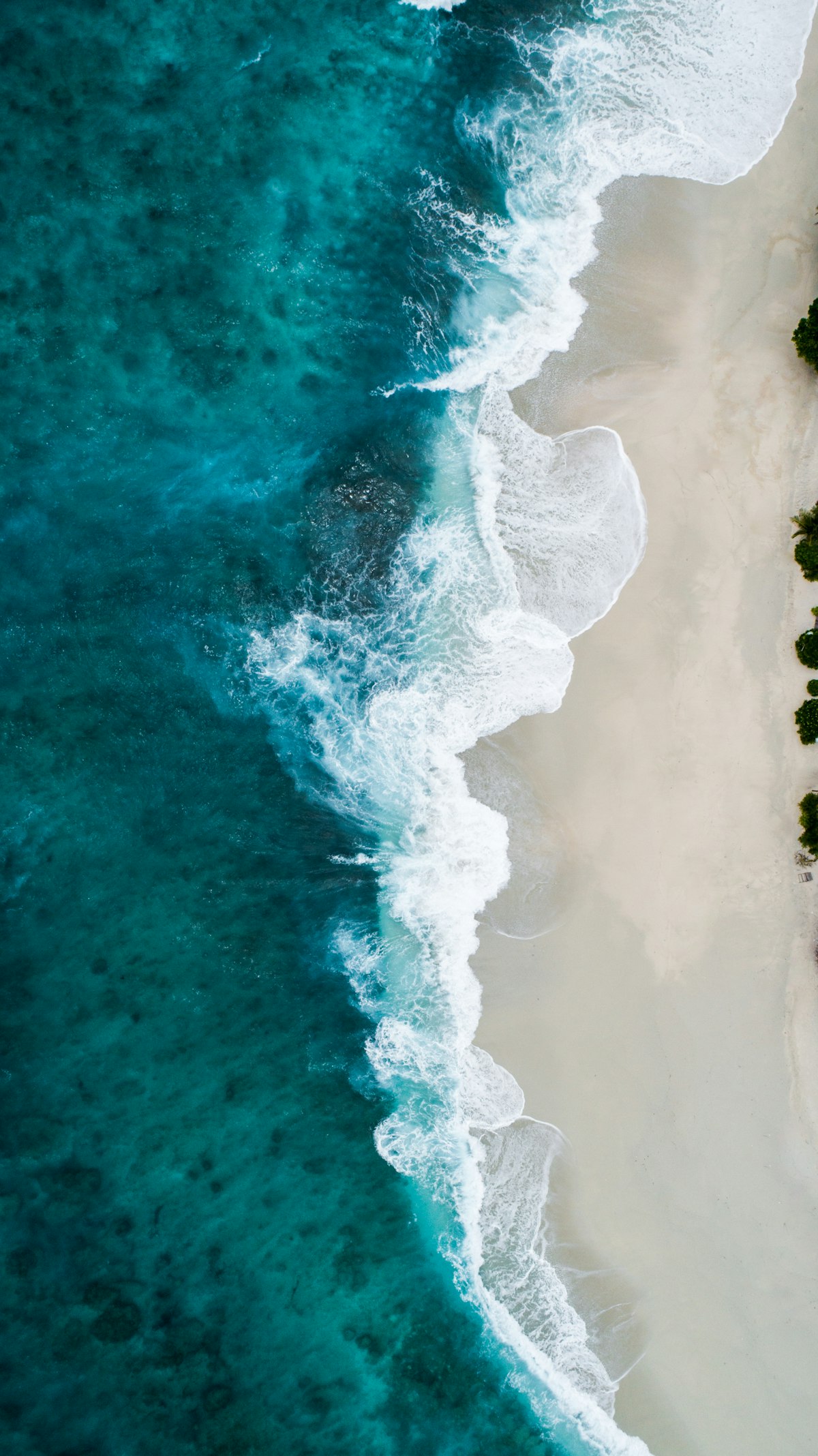
Drones have opened perspectives that were previously available only from helicopters or tall structures. Straight-down views of coastlines, elevated forest canopy shots, and bird’s-eye patterns in agricultural landscapes are now accessible to any photographer with a consumer drone. But aerial photography is a different discipline from ground-level work, with its own compositional rules and technical considerations. Choosing Your Altitude Altitude changes the photograph fundamentally: Low altitude (20-50 feet): Maintains a perspective similar to elevated ground positions — hillsides, rooftops, bridges.

Planning the Perfect Landscape Shot: Location Scouting 101

Every memorable landscape photograph begins long before the shutter clicks. It starts with research, reconnaissance, and a willingness to return to the same spot more than once. Here is how I approach location scouting, and how you can build the same habit into your own work. Start with Research Before driving anywhere, I spend time with maps. Google Earth is indispensable for understanding terrain, elevation changes, and how light will fall across a scene at different times of day.

Posts

Coastal Photography: Dealing with Salt, Sand, and Spray

Coastal environments produce some of the most dramatic landscape photography — crashing waves, rocky shorelines, sweeping sandy beaches, and constantly changing light. They’re also the harshest environments your camera gear will ever encounter. Salt spray corrodes metal and coats optics. Sand infiltrates every crevice. Waves don’t care about your tripod placement. Shooting effectively at the coast means respecting these hazards while positioning yourself for the best images. Protecting Your Gear The Salt Spray Problem Salt spray is insidious.

Photographing Waterfalls: Settings, Gear, and Techniques

Waterfalls are among the most popular subjects in landscape photography, and for good reason. They combine motion, sound, and the interplay of light and water into a subject that rewards careful technique. Here is how I approach them. Essential Gear Tripod. This is non-negotiable. You are working with slow shutter speeds, and handheld shooting produces unusable blur. A sturdy tripod with spiked feet handles wet rocks and uneven terrain better than one with rubber tips.

Posts

How to Photograph Fog and Mist

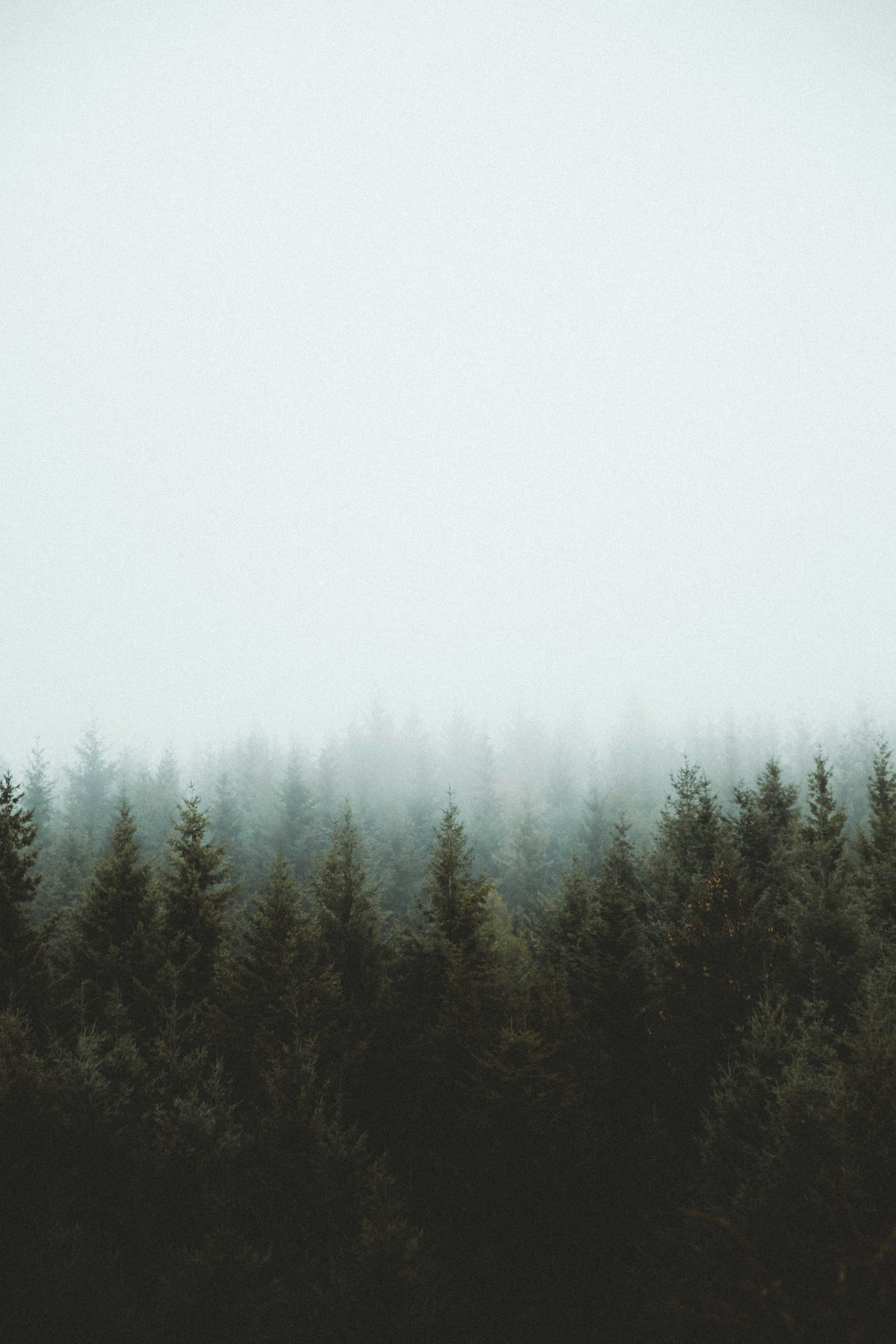
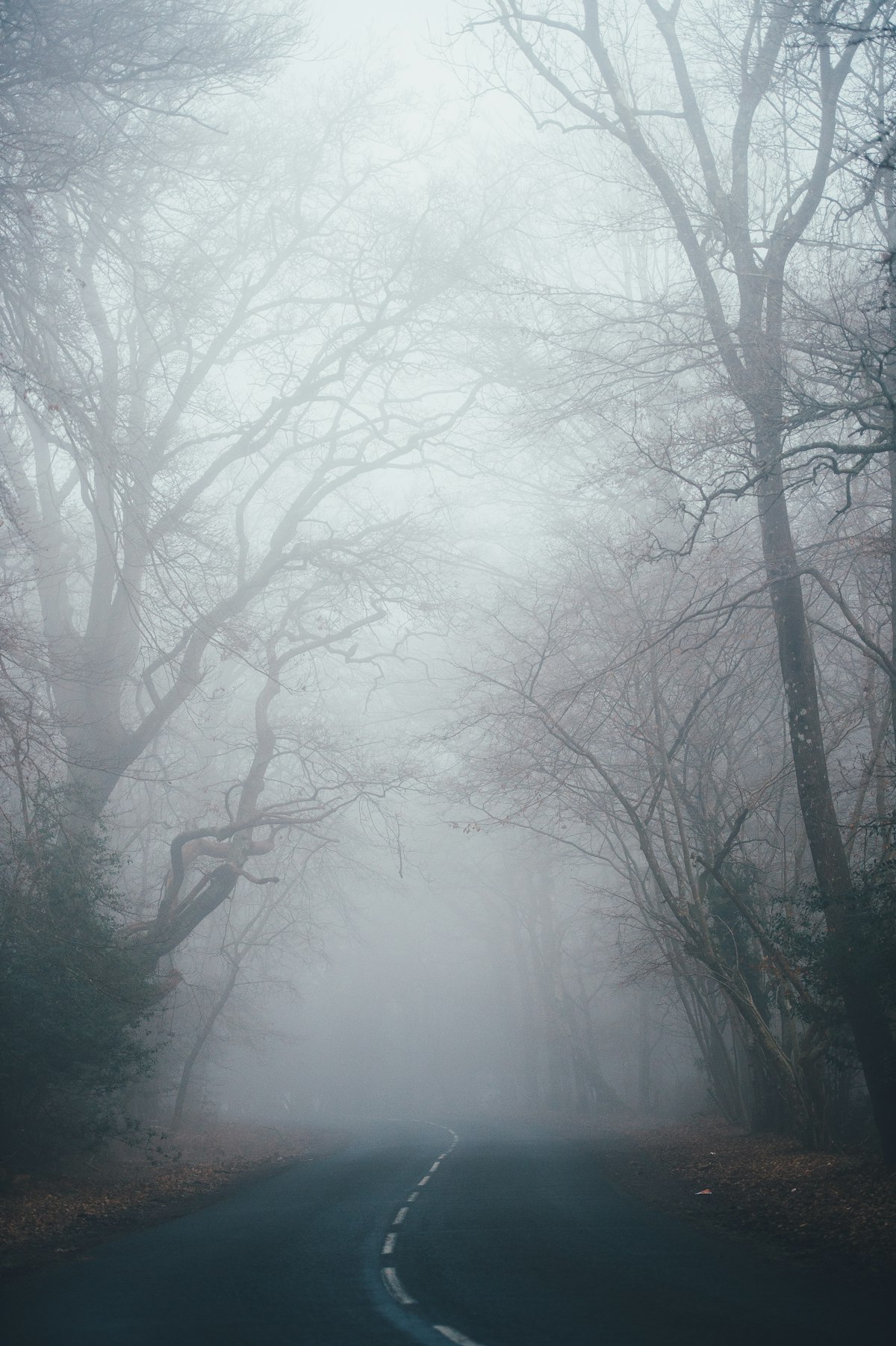
Fog transforms ordinary landscapes into ethereal, otherworldly scenes. It simplifies backgrounds, isolates subjects, creates depth through atmospheric layering, and adds a mood that fair-weather photography rarely achieves. But photographing in fog presents unique challenges that require adjusting your usual approach. Finding Fog Fog isn’t random — it forms under predictable conditions: Radiation fog forms on clear, calm nights when the ground cools and condenses moisture in the air above it. Look for it in valleys, near bodies of water, and over fields.