Latest Articles
Chasing the Break: What Bad Weather Really Means for Your Landscape Photography
There is a particular kind of afternoon I have learned to recognize over twenty years of doing this work. The weather app looks like a threat. Rain stacked on rain, the little cloud icons relentless, and then — right at the edge of the day — a single yellow sun symbol so small you could miss it if you weren’t looking for it. Most photographers see that forecast and stay home.
Shooting the Geminid Meteor Shower: A Field Guide to Capturing Meteors on Location
Meteor showers sit in a strange category for me. They’re one of those events where the window is fixed, the weather is indifferent, and luck plays a bigger role than I’d like to admit. I’ve stood in fields at 2am watching the sky deliver nothing, and I’ve also caught a streak of light I nearly missed because I was pouring coffee from a thermos. The challenge has always been reducing the luck and increasing the odds through better preparation and smarter technique.
Chasing Sunsets in the Algarve: What One Evening in Portugal Taught Me About Patience and Purpose
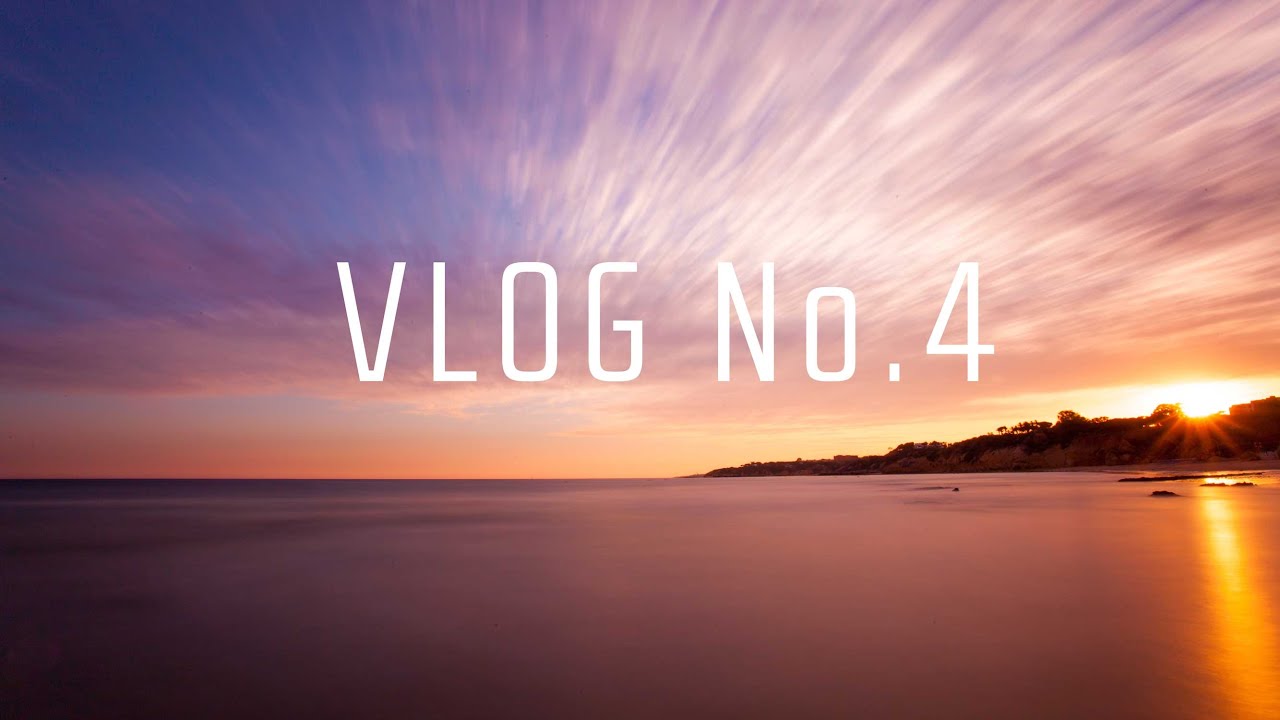
There’s a particular kind of guilt that follows a landscape photographer on holiday. You know the feeling. The light turns gold over the water, the clouds stack up perfectly on the horizon, and you’re sitting at a dinner table trying to be present with your family while one eye drifts toward the window. I’ve made peace with that tension over the years, mostly by accepting that sometimes you get one evening, not a whole week.
What 150,000 Photographers Taught Me About Showing Up (And the Bag Worth Carrying)
There’s a particular kind of quiet that settles in at the end of a hard year. Not peaceful exactly, more like the silence after a long exhale. I’ve been shooting landscapes for two decades, and 2020 tested the kind of patience my old mentor used to talk about when he’d say, “the mountain doesn’t care about your schedule.” Trailheads closed. Workshop seasons evaporated. The usual rhythm of pre-dawn drives and cold river wading got replaced by something slower and stranger.
How to Scout New Landscape Locations Before You Ever Leave the House
There’s a particular kind of dread that comes from showing up somewhere you’ve never been with no plan and golden light already fading. I’ve done it more times than I’d like to admit. Twenty years into this work and I still feel the pull to just drive toward something beautiful and figure it out when I get there. The problem is that impulse costs you shots. The photographers who consistently come home with strong, original images aren’t necessarily the ones with the best gear or the best luck.
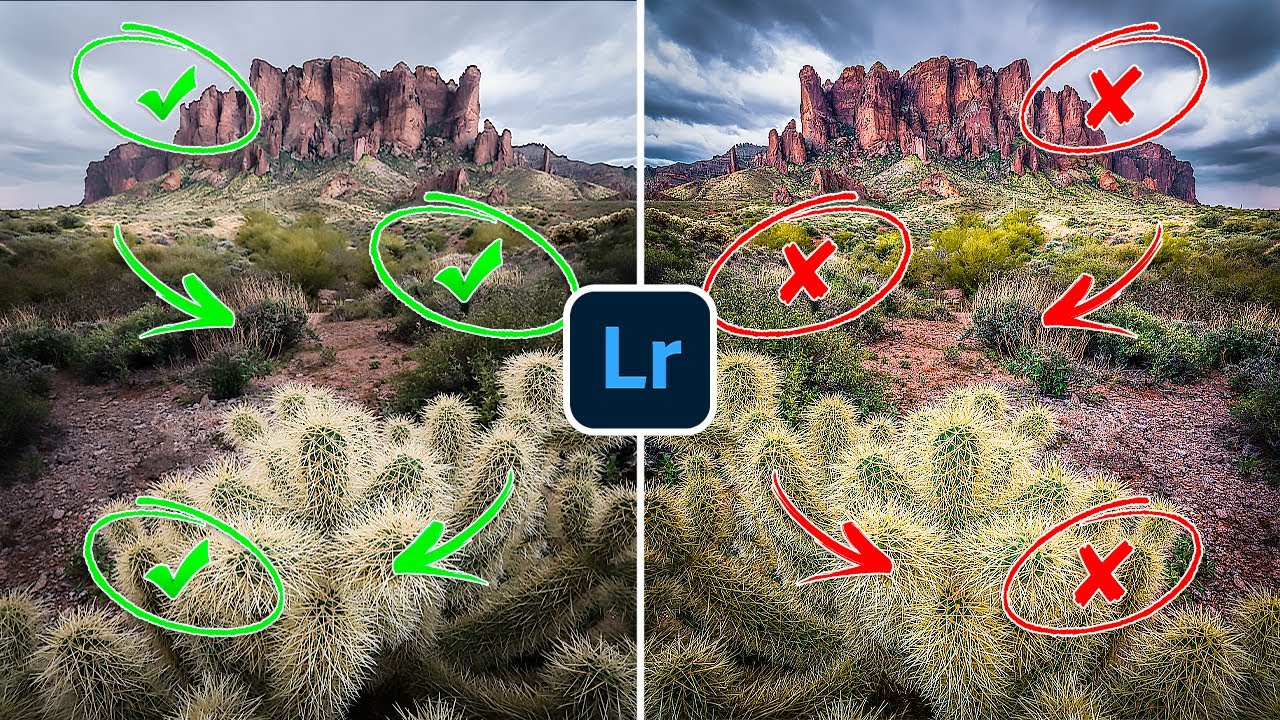
Are You Over-Editing Your Landscape Photos? 6 Red Flags to Watch For
I spent years thinking more was more. More contrast, more saturation, more drama pulled out of every shadow. After two decades behind a camera in the high desert outside Bend, I can look back at my early edits and wince at them the way you wince at a haircut from an old photo. The problem was never enthusiasm. The problem was I didn’t have a clear checklist of what to look for.