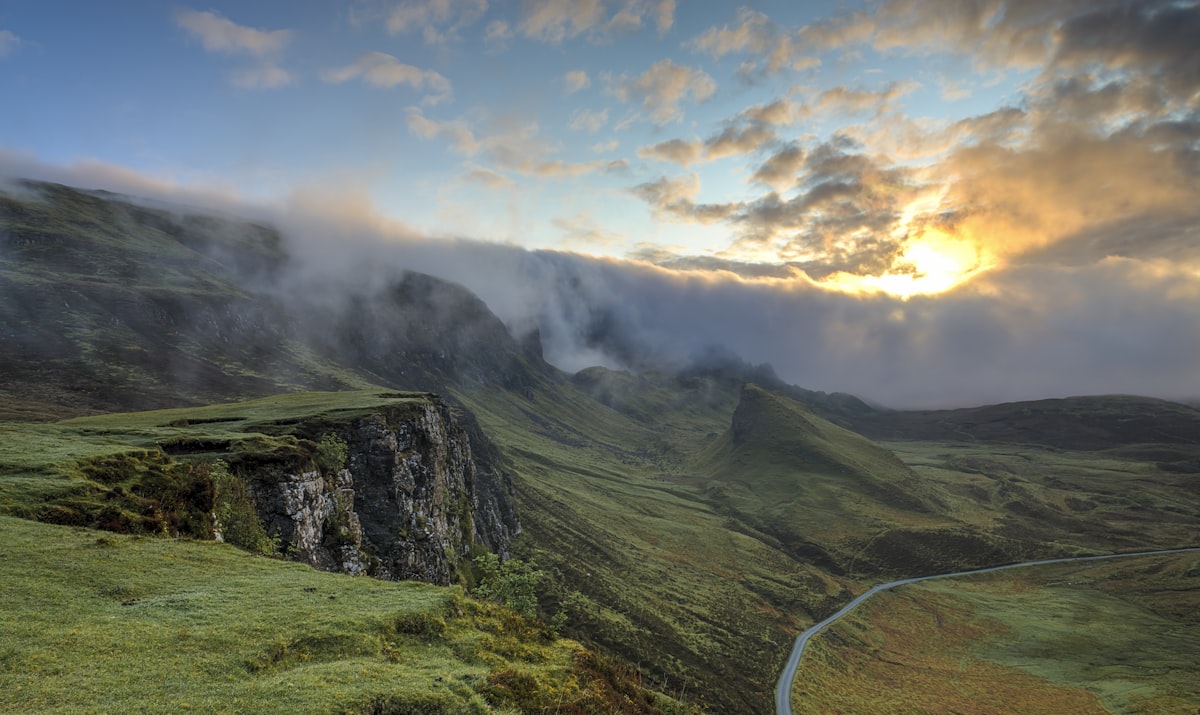
Night Sky Photography for Beginners

Photographing the night sky is one of the most rewarding experiences in landscape photography. Standing alone under a canopy of stars, watching a 25-second exposure reveal detail your eyes cannot see, connects you to the landscape in a way that daylight shooting rarely matches. The technical requirements are specific but learnable. Finding Dark Skies Light pollution is the primary obstacle. Even a moderately sized city washes out all but the brightest stars for miles in every direction.
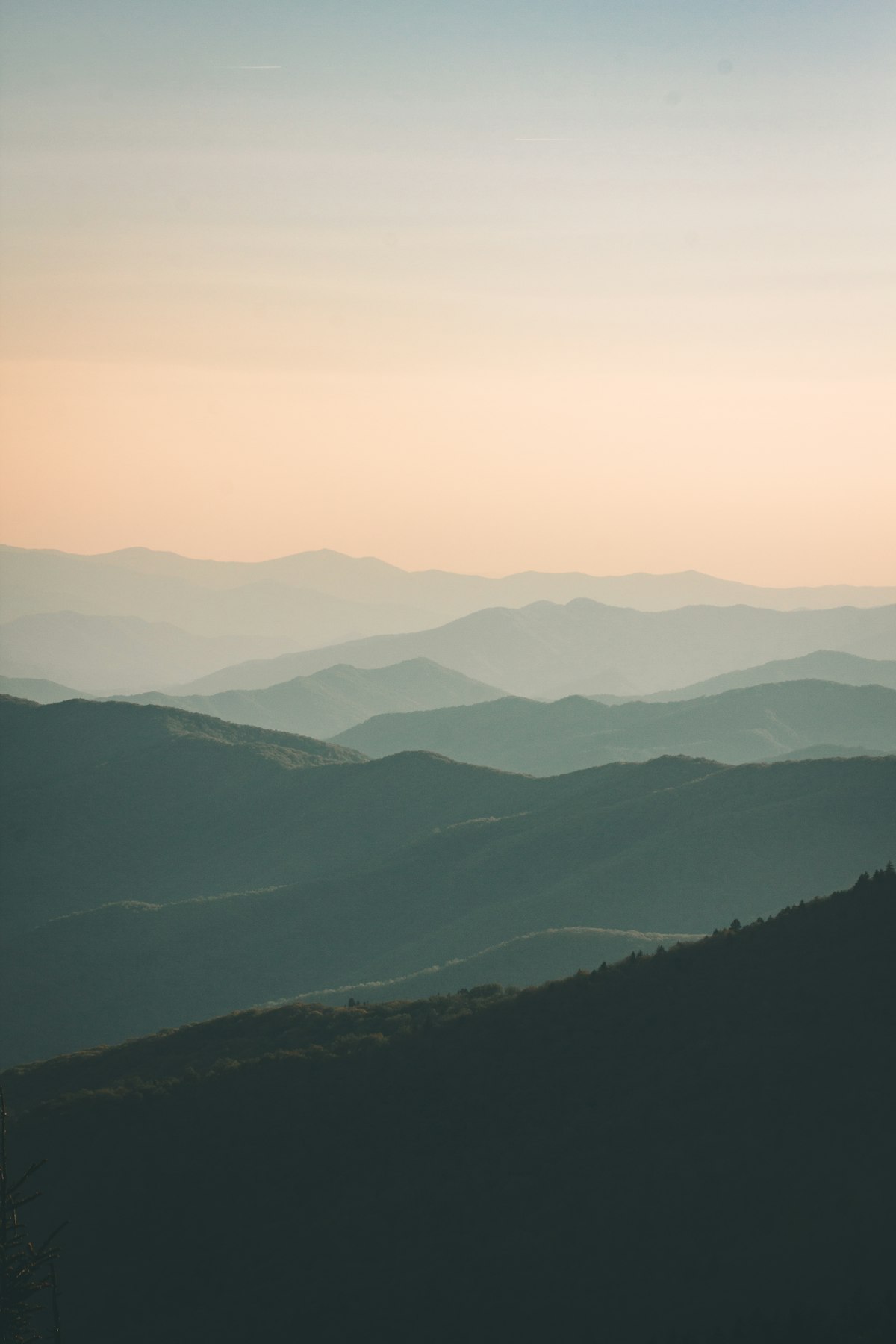

Long Exposure Photography: A Complete Guide to Silky Water and Cloud Trails

Long exposure photography transforms moving elements into something the eye cannot ordinarily see. Flowing water turns to silk. Clouds streak across the frame in dramatic arcs. The technique is straightforward once you understand the variables involved. The Fundamentals A long exposure is any shot where the shutter stays open long enough for moving elements to blur while stationary elements remain sharp. For landscape work, this typically means exposures between 1 second and several minutes.

How Weather Makes or Breaks a Landscape Photo

The most common mistake in landscape photography is waiting for perfect weather. Clear blue skies and calm conditions are pleasant to shoot in, but they rarely produce memorable photographs. The images that stop people, the ones that convey mood, drama, and a sense of place, almost always involve weather that most people would call unpleasant. Why “Bad” Weather Works Weather adds visual complexity. Clouds create structure in the sky. Rain darkens surfaces and saturates colors.

Posts

The Art of Minimalist Landscape Photography

Minimalist landscape photography is the art of saying more with less. While traditional landscapes aim to capture the grandeur of a scene with as much detail as possible, minimalist landscapes reduce the scene to its essential elements — often just two or three visual components in a field of empty space. The Philosophy of Less Minimalism in photography isn’t about finding empty scenes. It’s about making compositional choices that eliminate everything non-essential.

Composition in Landscape Photography: Beyond the Rule of Thirds

The rule of thirds is where most photographers start learning composition, and there is nothing wrong with it. Placing your horizon on the upper or lower third line and positioning key elements at intersection points produces balanced, readable images. But staying there forever limits what your photographs can communicate. Here are the composition tools I use most often in the field, and how they work together. Leading Lines Lines guide the viewer’s eye through the frame.

The Best Time of Day for Landscape Photography

Ask any experienced landscape photographer what single factor matters most, and most will say the same thing: light. The quality of natural light changes dramatically throughout the day, and understanding these shifts is fundamental to making images that feel alive. Golden Hour The period roughly 30 to 60 minutes after sunrise and before sunset produces the warm, directional light that defines classic landscape photography. The sun sits low on the horizon, casting long shadows that reveal texture in terrain.

Posts

Photographing Fall Colors: Timing, Locations, and Settings

Fall color photography seems straightforward — point your camera at colorful trees and shoot. But the difference between a snapshot of autumn leaves and a compelling fall landscape comes down to timing, light quality, and creative decisions that most photographers don’t think about until they’re standing in front of a mediocre scene with peak color already past. Timing the Peak Fall color doesn’t happen all at once. It progresses from north to south and from high elevation to low.

Posts

Focus Stacking for Landscape Photography

Landscape photography demands sharpness from foreground to horizon. A single exposure at f/16 or f/22 gets close, but diffraction softens the image at small apertures, and some scenes have foreground elements so close that even f/22 can’t hold everything sharp. Focus stacking solves this by merging multiple exposures focused at different distances. When You Need Focus Stacking Not every landscape requires stacking. If your nearest foreground element is 10 feet away and you’re shooting at f/11 on a full-frame camera, depth of field covers the entire scene.