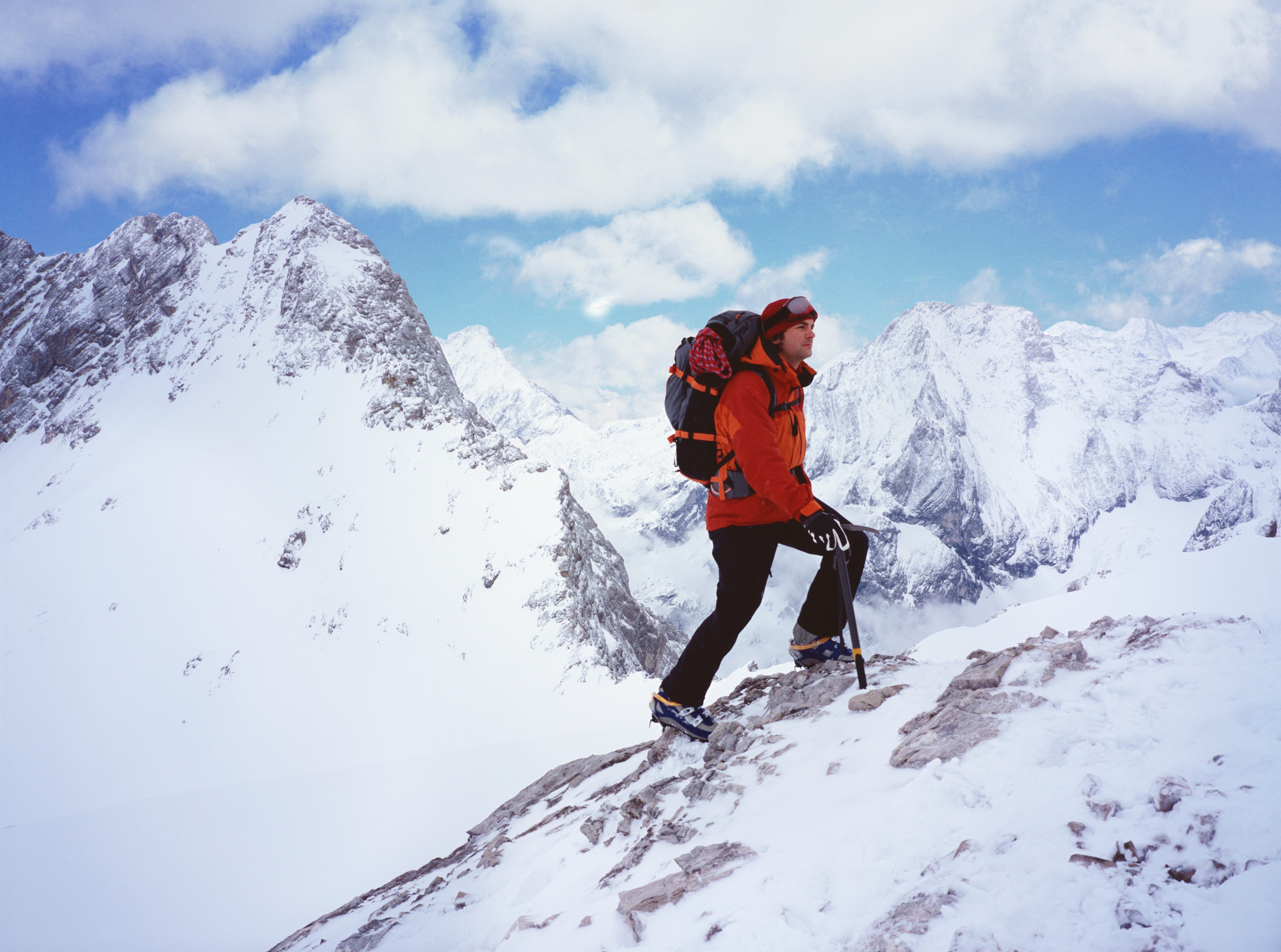
The Art of Seeing: Building Stronger Landscape Compositions
I’ve spent countless mornings standing in mountain valleys, waiting for light to transform the scene before me. In those quiet hours, I’ve learned that composition isn’t about following rules—it’s about understanding how your eye moves through a photograph, and then controlling that journey with intention.
Most photographers arrive at a location, frame what they see, and shoot. But there’s a deliberate practice that separates strong work from snapshots: learning to construct a landscape photograph as you would build a story, with a beginning, middle, and resolution.
Establishing Foreground, Middle Ground, and Background
The first shift in my thinking came when I stopped treating the landscape as a flat scene and started seeing it in layers. Every strong composition I’ve made has three distinct zones, and understanding how to populate each one transforms your work.
The foreground is your anchor. When I’m scouting a location, I get low. I’m looking for texture—fallen branches, wildflowers, rocks with character. This isn’t decoration; it’s the handshake between viewer and photograph. A compelling foreground gives the eye a place to land before it travels deeper into your frame.
The middle ground is where your subject lives. A distant mountain range, a solitary tree, a lake. This is what drew you to the location. Place it with intention: consider the rule of thirds, but also consider what feels right when you move around the composition. I’ll often spend ten minutes simply walking parallel to my subject, watching how its relationship to the background changes.
The background completes the narrative. Sky, distant ridges, or a treeline—these elements frame your subject and establish scale. I always ask myself: does my background enhance or distract? A cluttered background can bury your composition. Sometimes I’ll position myself lower or higher, or move sideways, simply to clean up what’s behind my subject.
Creating Visual Hierarchy Through Contrast
I was shooting in the Scottish Highlands when I realized that composition is partly about contrast. A weathered stone wall meant nothing until I positioned it against a soft, out-of-focus hillside. Suddenly, the wall became the story.
Use light, color, and sharpness to control where viewers look first. Your brightest or most saturated element naturally draws attention. If that’s your subject—excellent. If it’s not, reconsider your position. On overcast days, I’ll position my subject where it receives reflected light, creating subtle separation from the surroundings.
Depth of field is a compositional tool, not just a technical one. Keeping your foreground sharp while the background dissolves invites the viewer to walk through your image. Conversely, using apertures like f/8 or f/11 to render the entire scene sharp creates a different mood—one of place and environment rather than isolation.
The Practice of Restraint
My most successful compositions share one quality: they’re not cluttered. When I’m in the field, I ask a hard question: what can I remove? A stray branch at the frame edge, a confusing element in the distance—these are the details that weaken an otherwise strong image.
This often means repositioning entirely. I’ll shoot from different angles, sometimes backing up significantly, to find a cleaner composition. Lens choice matters here too. A wider lens creates context; a longer lens isolates and compresses distance. Neither is better—but each tells a different story.
Closing Thoughts
Landscape composition is a conversation between you and the place you’re photographing. It requires patience, humility, and a willingness to see the scene not as it appears, but as it could be arranged. The best photographs I’ve made came from standing quietly, observing light and shadow, and asking: how do I guide someone through this scene? Answer that question well, and your images will resonate long after the moment has passed.
Comments (2)
My workflow just got 10x faster. Not even kidding.
Love how you break down complex stuff into manageable steps.
Leave a Comment