Grand Vistas vs. Intimate Scenes: How to Read a Landscape and Photograph Both

Grand Vistas vs. Intimate Scenes: How to Read a Landscape and Photograph Both

There’s a trap I fell into for years. I’d hike to some grand overlook, set up for the big shot, and come home with something that looked exactly like every other photograph of that place. The vista was there. The light was decent. But the image was flat because I’d stopped looking the moment I found the obvious composition. It took me a long time to understand that any location worth hiking to holds at least two photographs: the grand one you came for, and the intimate one you almost stepped over on the way there.
Viewfinder vs. Live View for Landscape Photography: What Mark Denney's Experience Taught Me

Viewfinder vs. Live View for Landscape Photography: What Mark Denney's Experience Taught Me

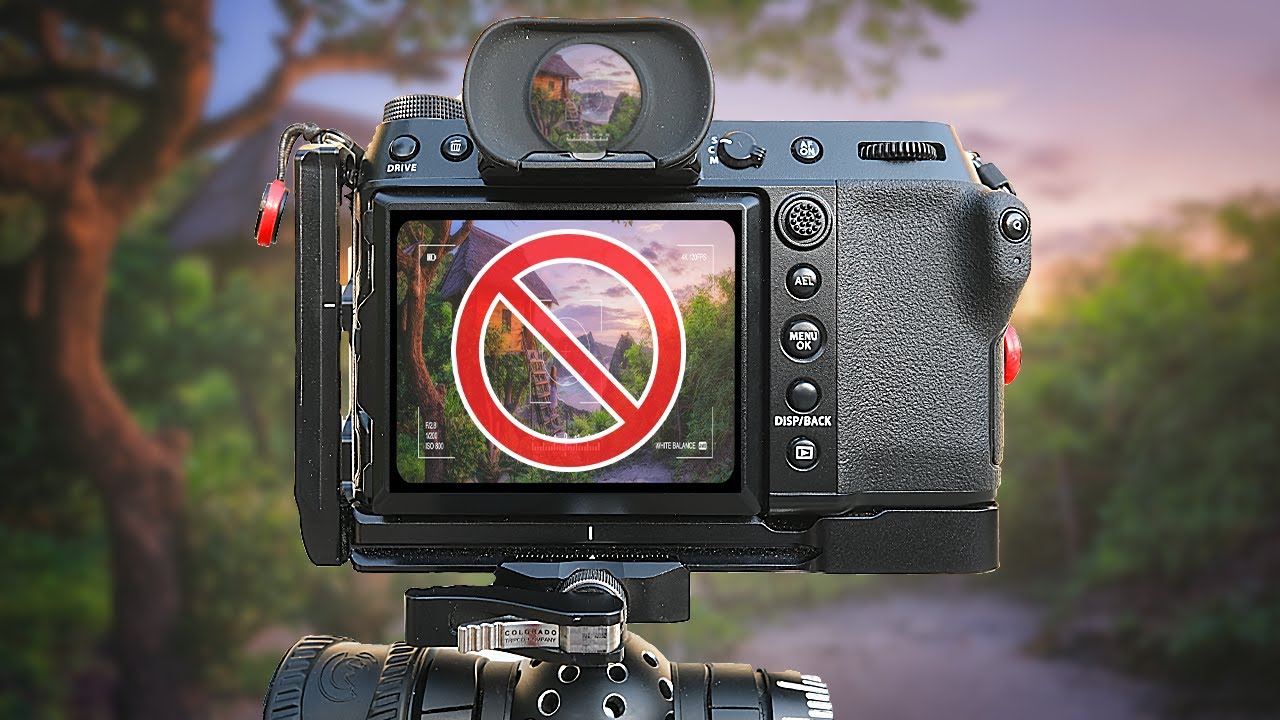
There’s a particular kind of reckoning that happens when something you’ve relied on for years stops working. I know that feeling from the field, from the moments where a trusted technique or piece of gear fails you at the worst possible time. For Mark Denney, the trigger was more personal: a long-overdue eye doctor visit confirmed what he’d been quietly suspecting. His vision had changed, and suddenly the way he’d been shooting landscape photography for years, with his face pressed to the LCD screen in live view, needed a serious rethink.

The Foreground Balance Trick William Patino Uses to Anchor His Seascape Compositions

The Foreground Balance Trick William Patino Uses to Anchor His Seascape Compositions

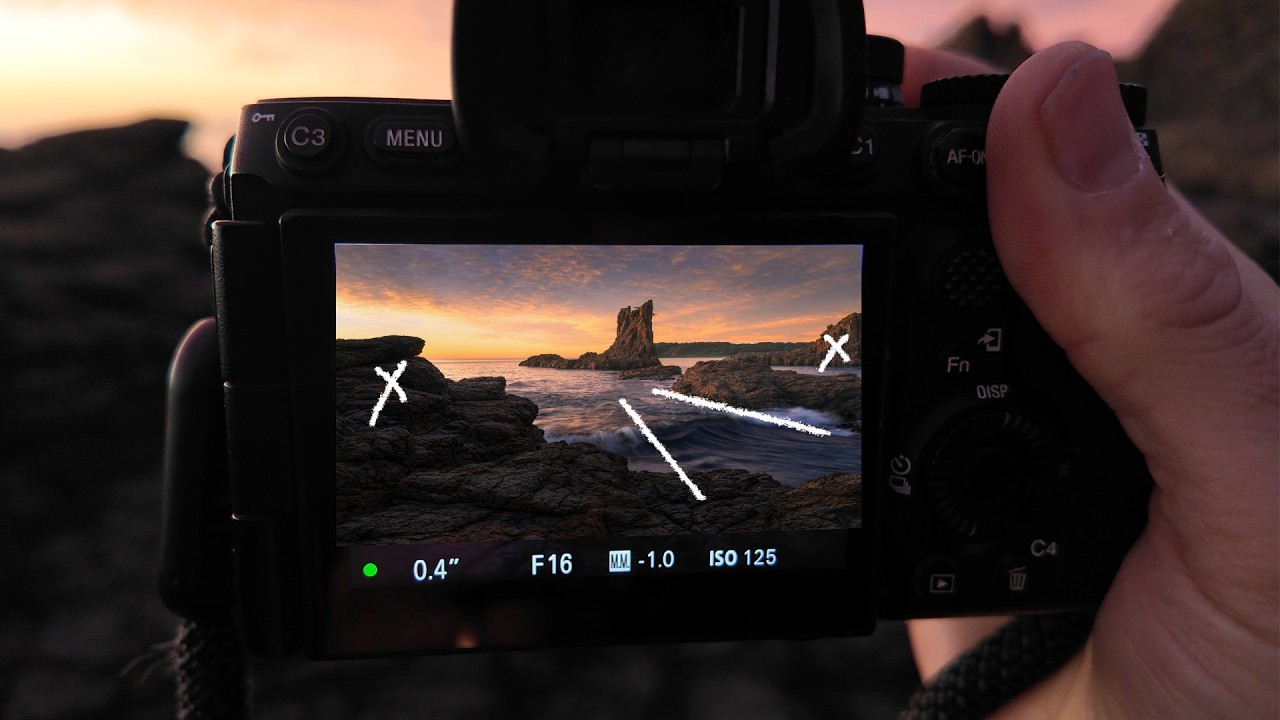
There’s a compositional problem I keep seeing in workshop students’ work, and honestly, in my own early images when I look back at them. You arrive at a stunning coastal location, the sky is doing something extraordinary, and you raise the camera to eye level and shoot. The resulting image has a great sky and a great subject, but it feels unanchored. The eye wanders. Nothing holds the frame together. The shot looks like a record of a beautiful place rather than a considered photograph of one.

Two Bags, No Compromises: What a Pro Packs for a Serious Photo Trip

Two Bags, No Compromises: What a Pro Packs for a Serious Photo Trip

I’ve stood in the dark more times than I can count, headlamp on, stuffing gear into a bag while trying not to wake anyone up at 4am. The question of which bag, and what goes inside it, is never really settled. You think you’ve figured it out, and then you book a flight, and suddenly the whole system falls apart. Airlines get stricter, weight limits shrink, and that bag you loved for driving to a trailhead becomes a liability at the gate.

Shoot the Whole Event: 5 Landscape Photography Lessons That Changed How I Work in the Field

Shoot the Whole Event: 5 Landscape Photography Lessons That Changed How I Work in the Field

There’s a particular kind of frustration that comes with standing at a location you’ve planned for weeks, watching the light do something extraordinary, and realizing your timing was off by ten minutes. You caught the buildup but missed the peak. Or you packed up too early and the real show started as you were walking back to the car. I’ve made both mistakes more times than I’d like to admit, and after two decades shooting landscapes full-time out of Bend, Oregon, I still have to fight the urge to call a shoot done before it actually is.

Light, Perspective, and the Moment You Stop Waiting: Pro Landscape Techniques Worth Stealing

Light, Perspective, and the Moment You Stop Waiting: Pro Landscape Techniques Worth Stealing

There’s a particular kind of frustration that comes from arriving at a stunning location and walking away with technically correct but emotionally empty images. You were there. The place was beautiful. And somehow the photos don’t show it. After two decades of hauling gear through pre-dawn darkness, I still run into this problem when I let habit take over instead of actually reading what the light is doing. That’s why I keep returning to tutorials from photographers who work methodically in the field, not just theoretically.

Three Hard-Won Lessons That Will Change How You Approach Landscape Photography

Three Hard-Won Lessons That Will Change How You Approach Landscape Photography

There is a particular kind of frustration that only landscape photographers know. You have driven hours, hiked in the dark, set up your tripod in exactly the right spot, and then a wall of cloud swallows the light thirty seconds before golden hour peaks. I have been standing in that exact moment more times than I can count, and after twenty years of doing this professionally, I still have not found a way to make it hurt less.

Split Toning in Lightroom: The Quiet Fix for Flat Landscape Colors

Split Toning in Lightroom: The Quiet Fix for Flat Landscape Colors

There’s a particular kind of disappointment I know too well. You’re out before dawn, boots wet, hat pulled low, watching a sky that looks like it was painted by someone who really meant it. You fire off dozens of frames. You drive home buzzing. Then you pull the files up on your monitor and the magic just… isn’t there. The colors look thin. The warmth you felt standing in that field didn’t make the trip.

Two Focal Points, Warm Casts, and Wandering Eyes: What Your Aurora Shots Are Probably Getting Wrong

Two Focal Points, Warm Casts, and Wandering Eyes: What Your Aurora Shots Are Probably Getting Wrong

Critique is uncomfortable. I’ve been shooting full-time for twenty years and I still feel it, that slight tightening in the chest when someone picks apart an image I was proud of in the field. But critique is also, consistently, the fastest way I’ve ever improved. Not the vague kind, where someone tells you an image “feels busy,” but the specific, actionable kind where someone sits down with your file and says: here’s exactly what’s pulling the eye the wrong direction, and here’s how to fix it.

Why Your Waterfall Photos Look Flat (And What to Do Before You Even Raise the Camera)

Why Your Waterfall Photos Look Flat (And What to Do Before You Even Raise the Camera)

There’s a particular kind of disappointment that hits when you drive two hours into the Cascades, hike forty minutes to a waterfall, set up your tripod in the middle of a freezing creek, and come home with photographs that look exactly like every other waterfall photograph on the internet. Silky white water. Green moss. A little bit of mist. Technically fine. Completely forgettable. I’ve made thousands of those photographs. After twenty years shooting landscapes full-time, I can tell you that the problem almost never starts with the camera settings.

How to Shoot Landscapes in Wind and Rain (And Why You Should Stop Waiting for Perfect Weather)

How to Shoot Landscapes in Wind and Rain (And Why You Should Stop Waiting for Perfect Weather)

There’s a version of landscape photography that lives in your head before you leave the house. Golden light, still air, perfect conditions. Then there’s the version that actually happens. After twenty years of predawn alarms and six-hour drives to locations that greeted me with nothing but fog, I’ve made peace with the fact that the second version is where the real work happens. The trouble is, most photographers either head home when the weather turns or they freeze up trying to manage the chaos.

Keep It, Move It, or Kill It: The Element Removal Decision Every Landscape Photographer Faces

Keep It, Move It, or Kill It: The Element Removal Decision Every Landscape Photographer Faces

There’s a particular kind of paralysis that hits me when I’m sitting at my editing desk at 5am, coffee going cold, staring at a frame I know is almost right. Something in the image is pulling at my eye. A stray branch in the lower left. A utility pole ghosting through a ridgeline. A farmhouse sitting right in the middle of an otherwise clean sweep of desert light. I’ve been shooting landscapes full-time for two decades and that moment still stops me cold: do I take it out, leave it alone, or try to move it somewhere less damaging?