Finding Beauty in Industry: How Long Exposure Transforms Harsh Landscapes

Finding Beauty in Industry: How Long Exposure Transforms Harsh Landscapes

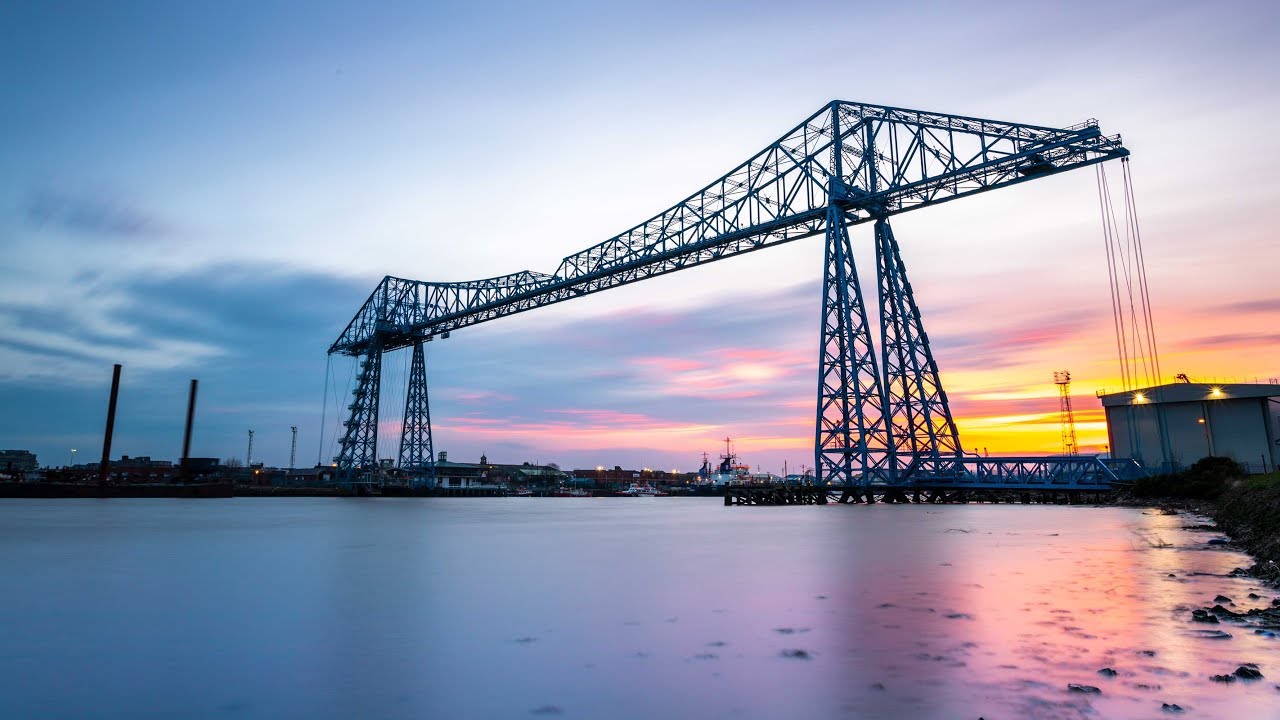
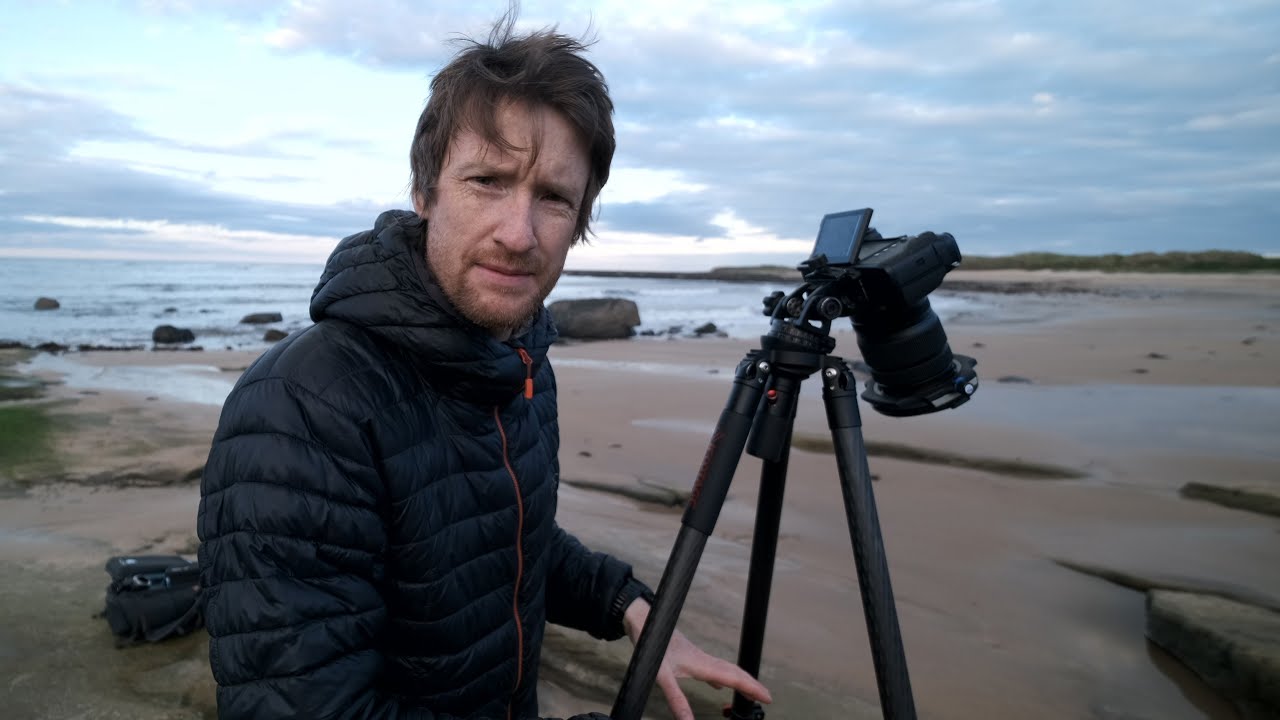
There is a particular kind of location I used to skip entirely. Power plants. Steel yards. Refineries sitting at the edge of town with their chimneys and their haze. After twenty years of chasing light across coastlines and mountain ranges, I had convinced myself that industrial scenes were somebody else’s subject matter. Then I watched Adam from First Man Photography walk up a wooded hillside toward a blast furnace site on the northeast coast of England, and something clicked.
When the Weather Wins: Making the Most of Stolen Windows in Landscape Photography

When the Weather Wins: Making the Most of Stolen Windows in Landscape Photography

There’s a version of landscape photography that lives on Instagram - golden hour light pouring across still water, every frame a postcard. And then there’s the version most of us actually live: cold fingers, wrong-place-right-time arrivals, and entire months where the weather simply refuses to cooperate. I’ve been shooting full-time for twenty years, and I’d say a solid third of my best work came out of sessions I almost didn’t bother with.

The Vision Gap: Why Your Camera Sees Differently Than You Do

The Vision Gap: Why Your Camera Sees Differently Than You Do

The Vision Gap: Why Your Camera Sees Differently Than You Do I’ve stood at countless overlooks where the scene before me seemed absolutely perfect—a burnt orange sky melting into deep purple shadows across a canyon floor, the kind of light that makes you forget to breathe. So naturally, I raise my camera, frame the shot carefully, and press the shutter with complete confidence. Then I look at the back of my screen and feel that familiar sinking feeling: either the sky has blown out to pure white, or the canyon walls have collapsed into featureless black.

Stop Cropping Just to Clean Up Edges — Use Lightroom's Grid Overlays to Rethink the Whole Frame

Stop Cropping Just to Clean Up Edges — Use Lightroom's Grid Overlays to Rethink the Whole Frame

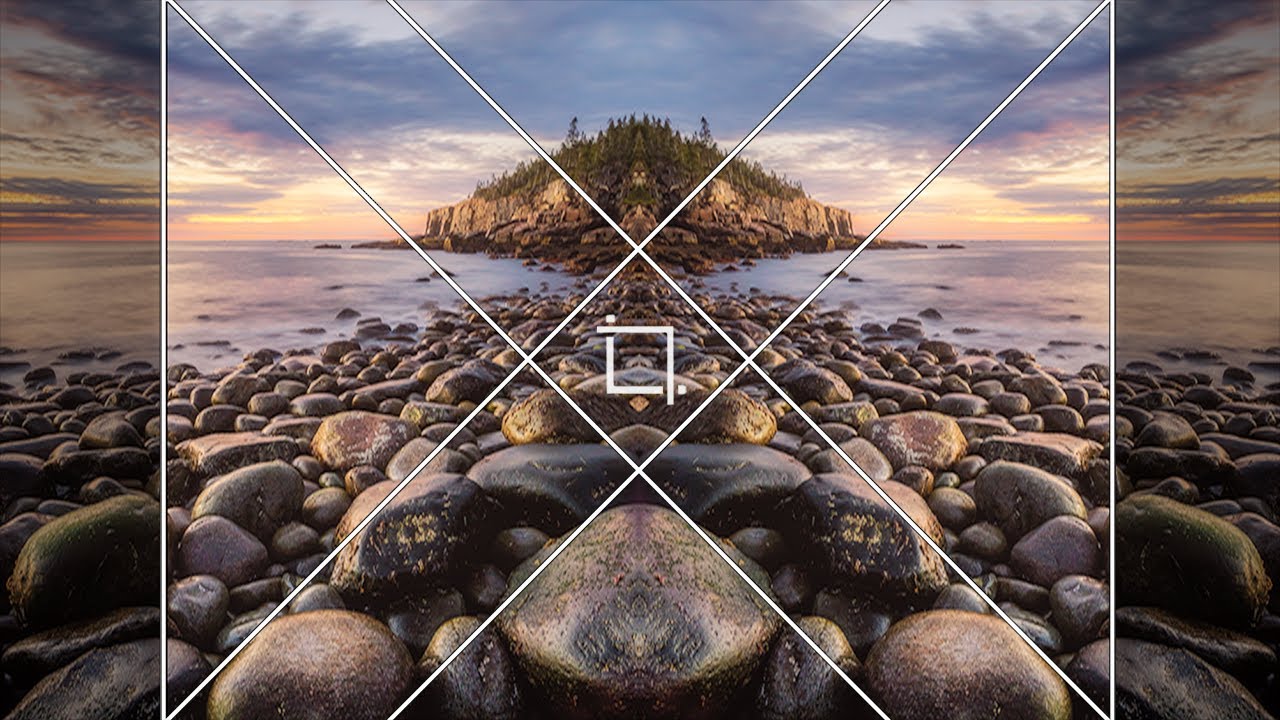
There’s a specific kind of disappointment I’ve felt more times than I’d like to admit. You’re standing at a location before dawn, the light is doing something extraordinary, your heart is hammering, and you’re firing frames as fast as your cold fingers will allow. You get home, load the cards, and the light is all there. But the composition? It’s soft. Not wrong, exactly. Just not as tight or as intentional as it felt in the field.

Three Plugins That Do the Heavy Lifting After Lightroom Is Done

Three Plugins That Do the Heavy Lifting After Lightroom Is Done

There’s a moment in post-processing that every landscape photographer knows. You’ve done everything right in Lightroom. White balance is dialed in, the tone curve feels honest to what you saw at the scene, and the shadows in the foreground are finally holding detail. And yet something is still missing. The image is technically correct but not quite finished. That gap is where a handful of well-chosen plugins earn their keep, and it’s something I’ve spent years figuring out through trial and error.

Chasing First Light at Nearly 1,000 Meters: Lessons from a Welsh Mountain Sunrise Shoot

Chasing First Light at Nearly 1,000 Meters: Lessons from a Welsh Mountain Sunrise Shoot

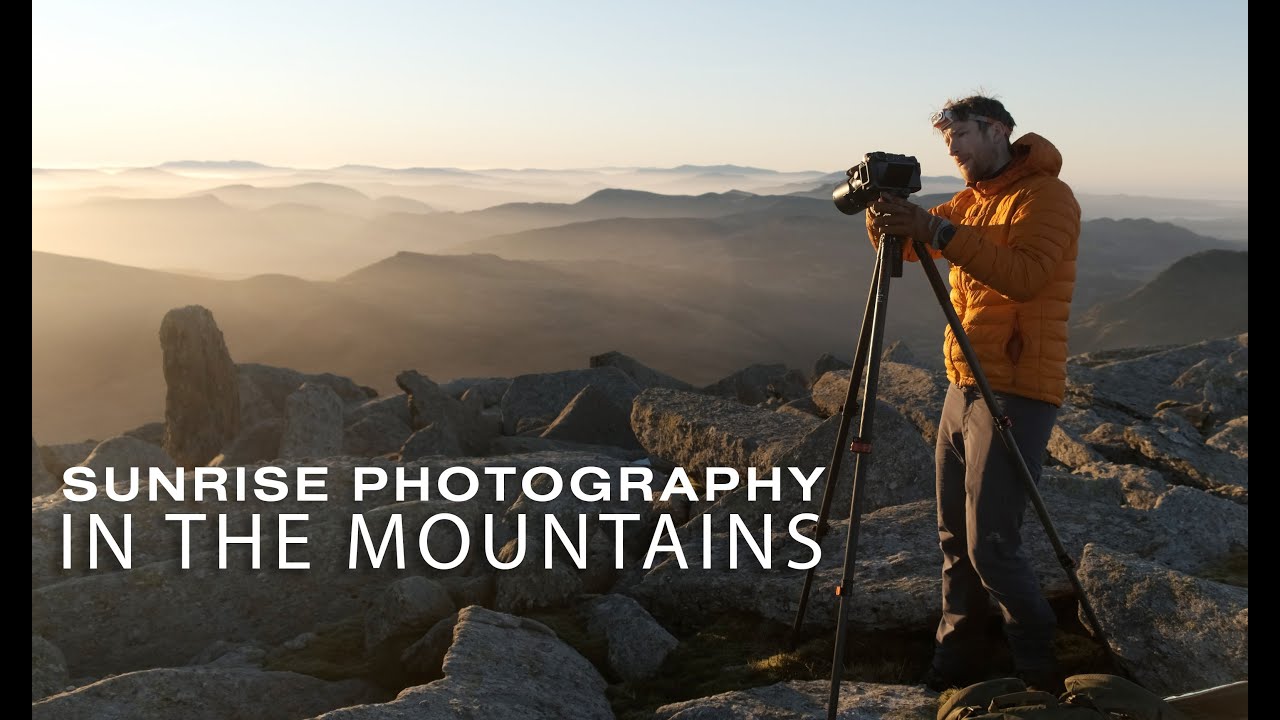
There is a particular kind of pressure that arrives in the dark, about halfway up a mountain, when you are racing an invisible clock. The light is coming whether you are ready or not. After two decades of pre-dawn starts, I still feel it every single time. What separates a good sunrise shoot from a forgettable one usually has nothing to do with gear. It comes down to planning, movement, and the ability to make fast compositional decisions when everything is changing at once.

Why Your Landscape Photos Feel Empty (And What to Do Before You Even Raise the Camera)

Why Your Landscape Photos Feel Empty (And What to Do Before You Even Raise the Camera)

The Shot That Isn’t There Yet I was standing at the edge of a basalt rimrock outside Bend last October, about twenty minutes before first light. The scene in front of me was objectively beautiful. A high desert valley, juniper silhouettes, a streak of cold orange just beginning to crack the horizon. I had my tripod set up, my Lee filters in my vest pocket, my 16-35mm on the camera. And I almost pressed the shutter.

How to Read a Landscape Photo Like a Pro: Composition and Color Critique Lessons from the Field

How to Read a Landscape Photo Like a Pro: Composition and Color Critique Lessons from the Field

There’s a particular kind of humility that comes from having another photographer look at your work and quietly point out what you couldn’t see yourself. I’ve sat on both sides of that table over the years, and I’ll tell you honestly, the critique session is where real growth happens. Not in the field, not in the edit, but in that uncomfortable moment when someone you respect says, “What if you cropped here instead?

Block the Sun With Your Finger: A Dead-Simple Trick for Cleaner Sunset Exposures

Block the Sun With Your Finger: A Dead-Simple Trick for Cleaner Sunset Exposures

Shooting directly into the sun is one of those things I keep telling myself I’ll figure out properly, and then I get to the location, the light starts doing something extraordinary, and I just start firing frames and hope for the best. After twenty years of this, I have better instincts than I used to, but the two core problems never go away: the sky is always brighter than the foreground, and pointing your lens at the sun is an invitation for flare that can quietly destroy an otherwise strong image.

Show Up Anyway: What Thomas Heaton's Mountain Morning Taught Me About Fleeting Light

Show Up Anyway: What Thomas Heaton's Mountain Morning Taught Me About Fleeting Light

There’s a particular kind of dread that every landscape photographer knows. You wake before dawn, check the window, and see nothing but a gray wall of mist. After six hours of hiking the day before, the warm sleeping bag makes a compelling argument. This is the moment that separates the frames you’ll sell from the ones you’ll never take. I’ve been dragging myself out of bed at four in the morning for two decades, and I still have to actively talk myself into it on mornings like that.

The Camera Sees Time: How Long Exposure Transforms Ordinary Light into Something True

The Camera Sees Time: How Long Exposure Transforms Ordinary Light into Something True

What the Eye Misses, the Shutter Can Keep There’s a waterfall in the Columbia River Gorge that I’ve photographed maybe forty times. The first time I stood in front of it, I shot it the way most people do: fast enough to freeze the water, maybe 1/250s, maybe 1/500s. The image was accurate. It showed exactly what was there. And it was completely dead. The water in real life has a quality that a fast shutter erases.

The Honest Truth About Landscape Photography: Five Things That Break You Down and Five That Keep You Coming Back

The Honest Truth About Landscape Photography: Five Things That Break You Down and Five That Keep You Coming Back

There are mornings when the alarm would go off at 3:45 and I’d already be awake, coffee in hand, checking wind speed for the third time in an hour. And then there are mornings when I sit on the tailgate of my truck in the dark, wondering why I keep doing this to myself. Twenty years of shooting landscapes in the American West has given me both kinds of mornings in roughly equal measure.