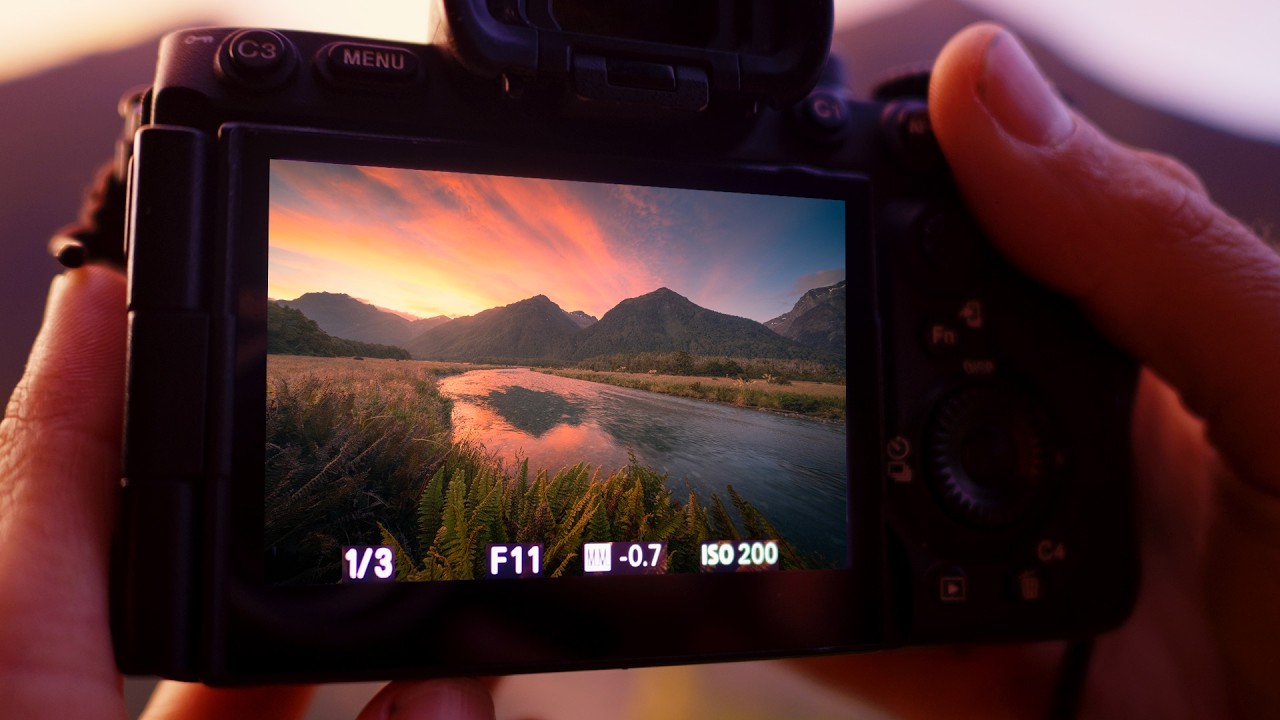
Balancing Light and Composition at Sunset: What William Patino's Framework Taught Me to Stop Ignoring

Balancing Light and Composition at Sunset: What William Patino's Framework Taught Me to Stop Ignoring

There’s a particular kind of pressure that builds when golden light starts happening and you’re still walking, still looking, still not sure where to plant the tripod. I’ve felt it hundreds of times over the past two decades. The chest tightens, the legs move faster, and suddenly you’re forcing a composition instead of finding one. I’ve come home with technically fine shots that feel hollow because I rushed into them. So when I came across Watch the full tutorial on YouTube from William Patino, filmed during a summer sunset session in Fiordland National Park, I kept nodding along because he was describing the exact problem I still wrestle with, and offering a framework that actually works.
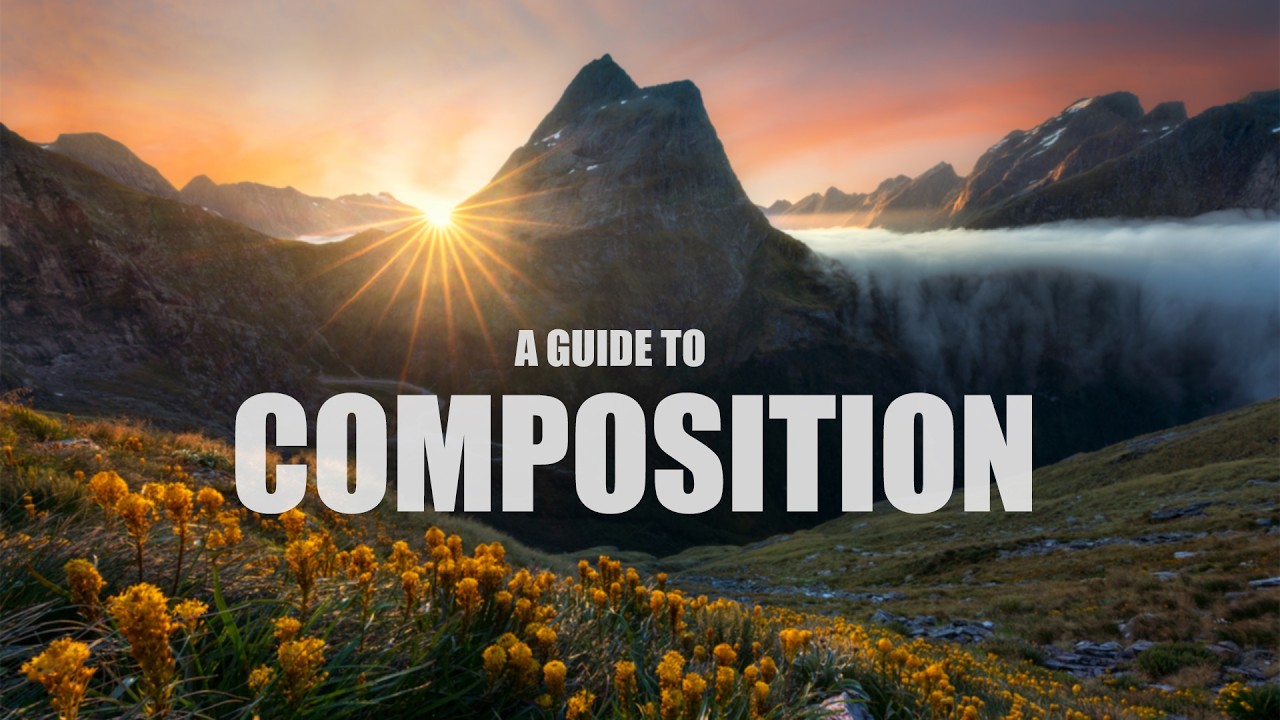
The Framework I Wish I'd Had Twenty Years Ago: Composing Landscape Images That Actually Work

The Framework I Wish I'd Had Twenty Years Ago: Composing Landscape Images That Actually Work

There’s a particular kind of paralysis that sets in when you’re standing in a beautiful place with a camera in your hands. The light is doing something extraordinary, the scene is alive, and you have absolutely no idea where to point the lens. After two decades of doing this work, I still feel it. The difference now is that I’ve built a repeatable process for working through it, and that process maps almost perfectly onto what William Patino demonstrates in his forest composition tutorial.

Sharp Front to Back: How Focus Stacking Saved My Last Desert Shoot

Sharp Front to Back: How Focus Stacking Saved My Last Desert Shoot

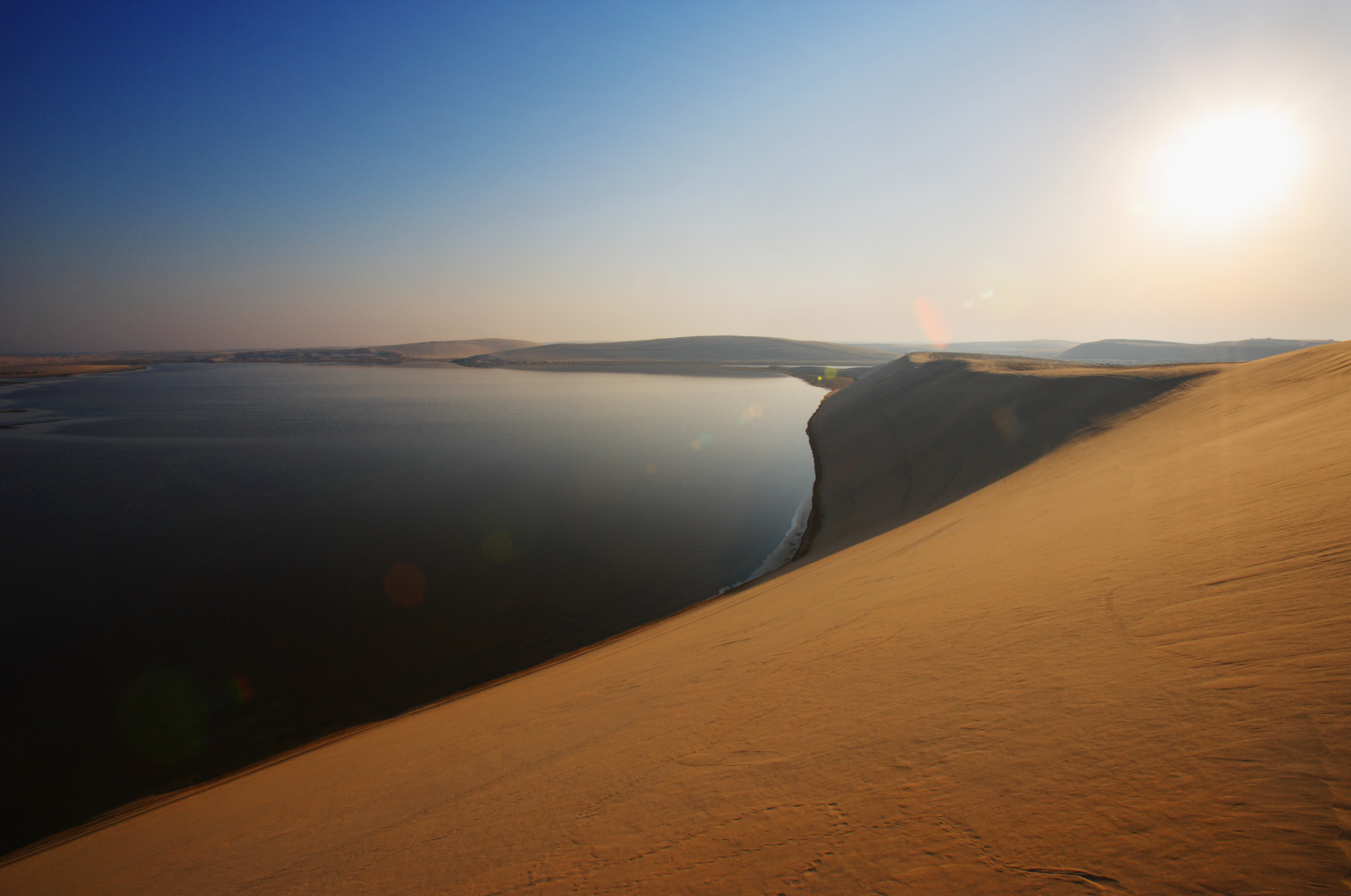
There’s a particular kind of frustration that comes with a scene that simply will not cooperate with your aperture. You’re standing in front of something extraordinary, maybe a gnarled tree pushing up from a rocky foreground with a mountain range filling the sky behind it, and no matter where you set your f-stop, something goes soft. Stop down to f16 and diffraction steals your sharpness. Open up to f8 and the foreground loses definition.

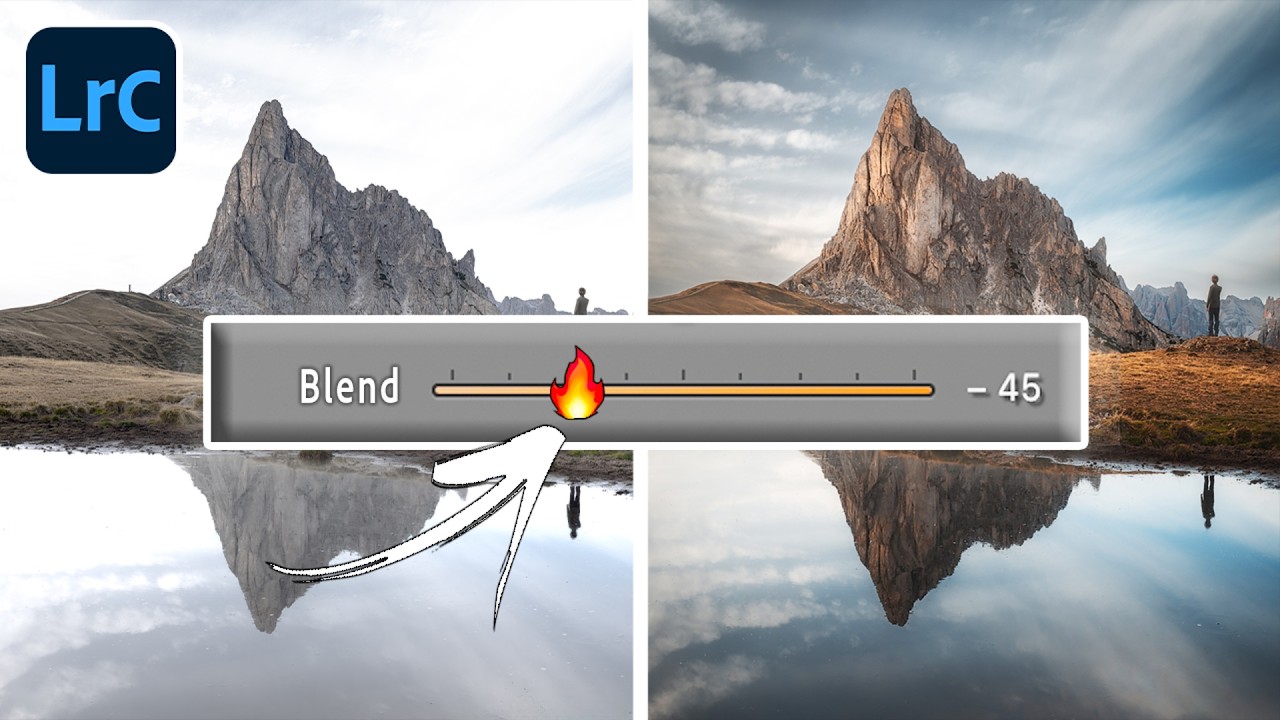
Why Your Sky Masks Look Fake (And the Lightroom Workaround That Finally Fixes It)

Why Your Sky Masks Look Fake (And the Lightroom Workaround That Finally Fixes It)

There’s a particular kind of frustration that lives in the zoom-in. You’ve done everything right. The sky mask selected cleanly, the clouds have drama and texture now, the exposure looks balanced. You toggle the edit on and off and feel that small, quiet satisfaction of a job done well. Then you zoom in to check your edges and there it is: a thin, glowing halo hugging the ridgeline like the mountain is lit from behind by something that was never there.

The Art of Showing Up: What William Patino's Fiordland Workflow Taught Me About Getting Out of My Own Way

The Art of Showing Up: What William Patino's Fiordland Workflow Taught Me About Getting Out of My Own Way

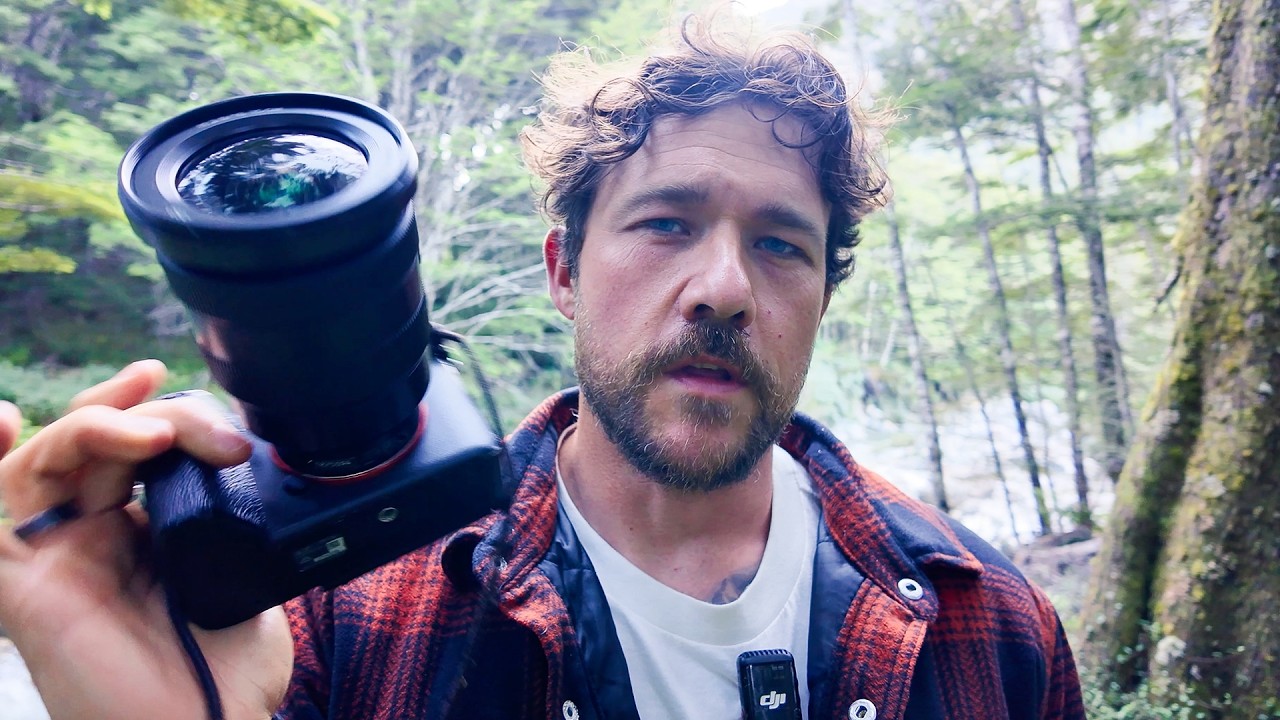
There’s a version of landscape photography that gets sold online constantly. Perfect golden light, a clear vision, a hero shot on the first try. After twenty years of hauling gear into the dark before most people set an alarm, I can tell you that version is mostly fiction. The reality looks a lot more like what William Patino captures in this refreshingly honest tutorial, Watch the full tutorial on YouTube, where he walks into a patch of forest with no plan, no golden light, and no guarantee of anything.

When Epic Stops Working: Rediscovering Quiet Light in the Field

When Epic Stops Working: Rediscovering Quiet Light in the Field

There’s a version of this problem I know embarrassingly well. After twenty years of waking before dawn and standing in cold rivers waiting for the light to do something worth photographing, I noticed something uncomfortable about myself: I’d stopped getting excited about ordinary mornings. Not bad mornings. Just ordinary ones. Soft overcast, no wind, no drama. I’d look at the scene, feel nothing, and start running through excuses to pack up early.

Why Mountain Light Lies to Your Camera (And What to Do About It)

Why Mountain Light Lies to Your Camera (And What to Do About It)

The alarm doesn’t go off at 4am because I don’t set one. I’m already awake, already calculating whether the cloud cover from the night before has broken, already thinking about whether the light I drove toward is still worth chasing. Last October I was parked at a trailhead outside Sisters, Oregon, headlamp on, boots laced, staring at a sky that had gone completely wrong. The forecast had called for a clear sunrise window.

The Art of Panoramic Landscape Photography: Seeing Beyond the Frame

The Art of Panoramic Landscape Photography: Seeing Beyond the Frame

The Art of Panoramic Landscape Photography: Seeing Beyond the Frame Standing at the edge of a canyon at sunrise, I’ve often felt the limitations of a single frame. The light spreads across the entire horizon—soft amber fading to purple, stretching far beyond what my widest lens can capture in one shot. This is when I reach for panorama. It’s not a shortcut for composition; it’s an entirely different way of seeing.

Capturing the Rhythm of Coastal Light: A Photographer's Guide to Seascapes

Capturing the Rhythm of Coastal Light: A Photographer's Guide to Seascapes

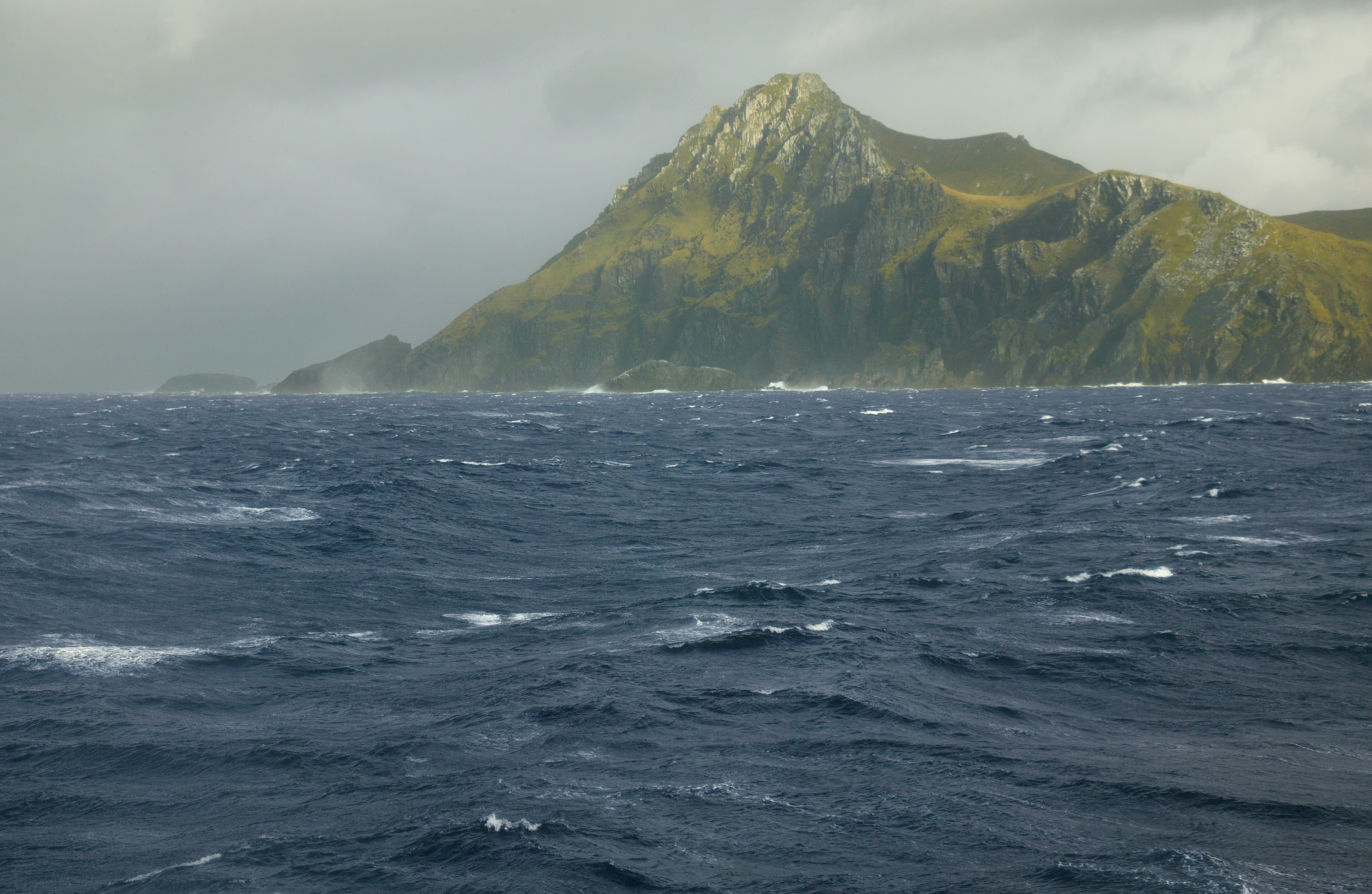
Capturing the Rhythm of Coastal Light: A Photographer’s Guide to Seascapes I’ve spent countless hours standing on rocky shores and sandy beaches, watching light dance across water, and I’ve learned that coastal photography demands something different from other landscape work. The coast teaches patience in ways that mountains don’t. There’s an unpredictability to it—the light shifts rapidly, waves behave differently each minute, and the interplay between water, sky, and land creates technical challenges that require both preparation and adaptability.

The Art of Seeing: Building Stronger Landscape Compositions

The Art of Seeing: Building Stronger Landscape Compositions

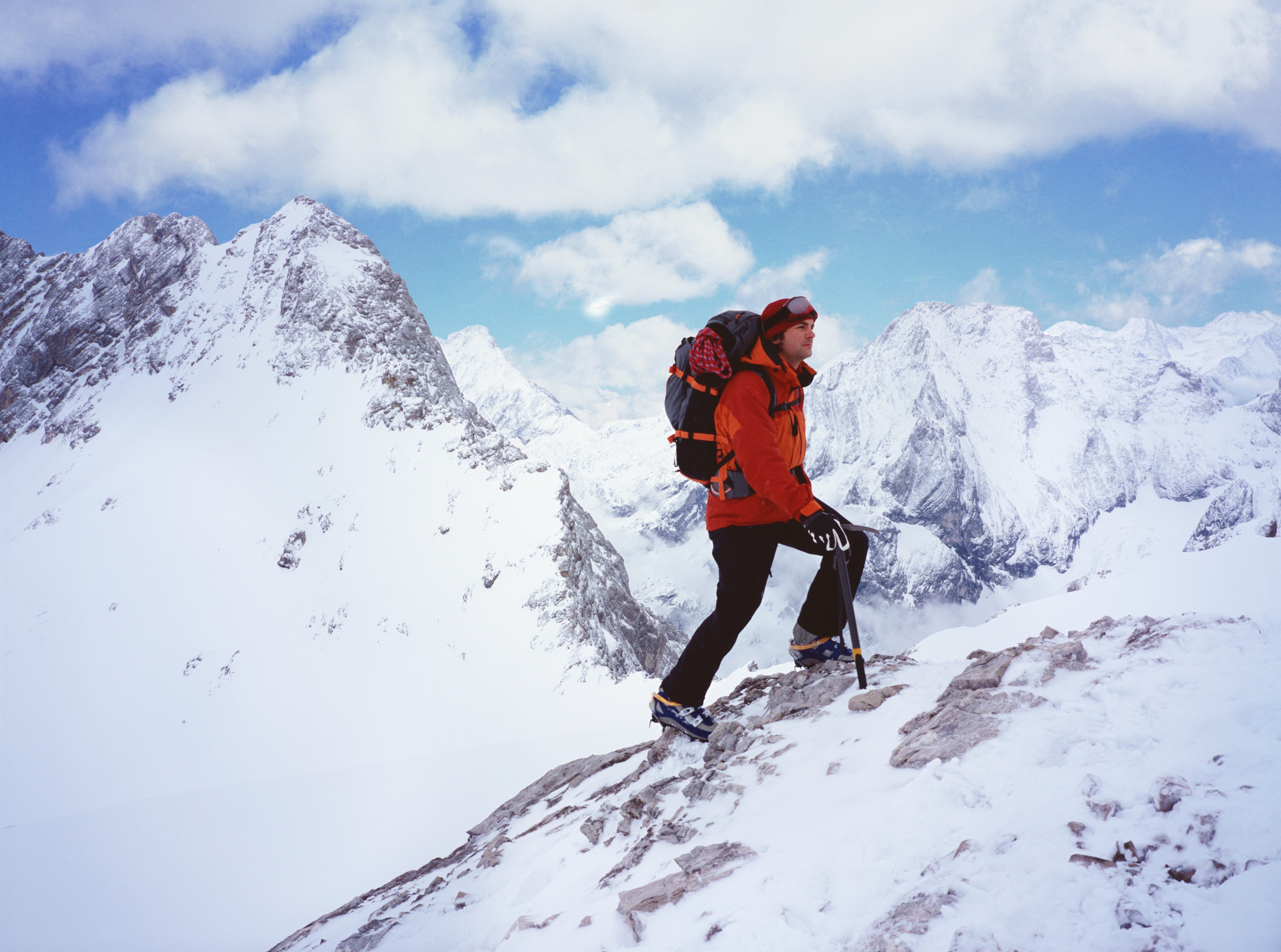
The Art of Seeing: Building Stronger Landscape Compositions I’ve spent countless mornings standing in mountain valleys, waiting for light to transform the scene before me. In those quiet hours, I’ve learned that composition isn’t about following rules—it’s about understanding how your eye moves through a photograph, and then controlling that journey with intention. Most photographers arrive at a location, frame what they see, and shoot. But there’s a deliberate practice that separates strong work from snapshots: learning to construct a landscape photograph as you would build a story, with a beginning, middle, and resolution.

Finding Light in the Shadows: A Forest Photographer's Guide to Capturing Woodland Depth

Finding Light in the Shadows: A Forest Photographer's Guide to Capturing Woodland Depth

Finding Light in the Shadows: A Forest Photographer’s Guide to Capturing Woodland Depth When I first began photographing forests seriously, I made the mistake that many newcomers do: I treated them like any other landscape. I’d arrive expecting golden hour drama and sweeping vistas. What I found instead were dense shadows, confusing compositions, and frustratingly flat images. Only after spending dozens of overcast mornings in the woods did I begin to understand that forests demand a completely different approach.

Capturing the Night Sky: Lessons Learned Under the Stars

Capturing the Night Sky: Lessons Learned Under the Stars

I remember the first time I stepped away from city lights with the intention of photographing stars. I’d read the articles, adjusted my settings, and arrived at my location with confidence. Then the sky humbled me. The Milky Way sprawled above in a way no screen could prepare me for, and I realized that technical knowledge alone wouldn’t translate what I was witnessing into a compelling image. That night taught me that night sky photography demands equal parts science and intuition—a willingness to understand your equipment while remaining present to the landscape beneath those stars.