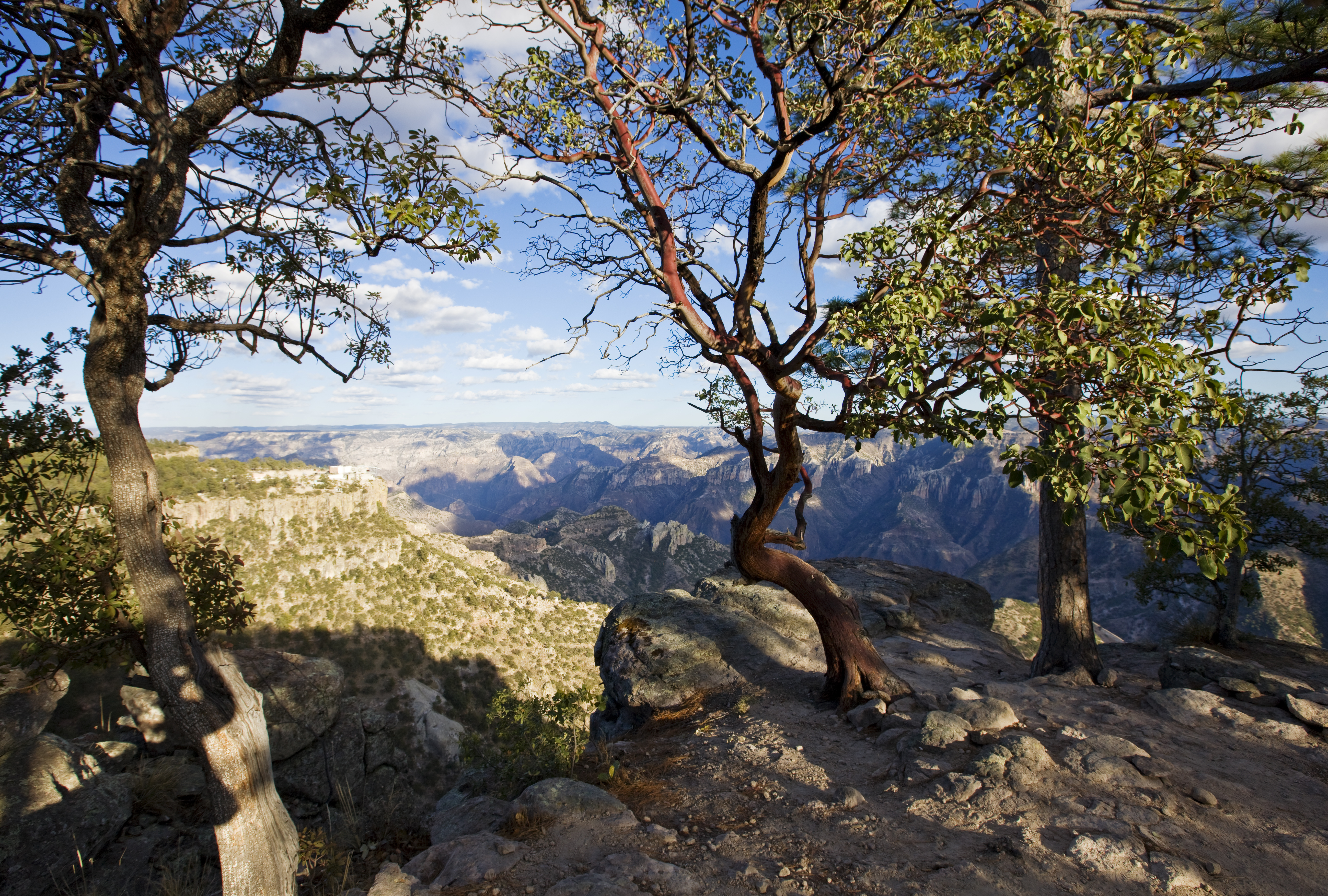
The Art of Long Exposure: Slowing Down to See More

The Art of Long Exposure: Slowing Down to See More

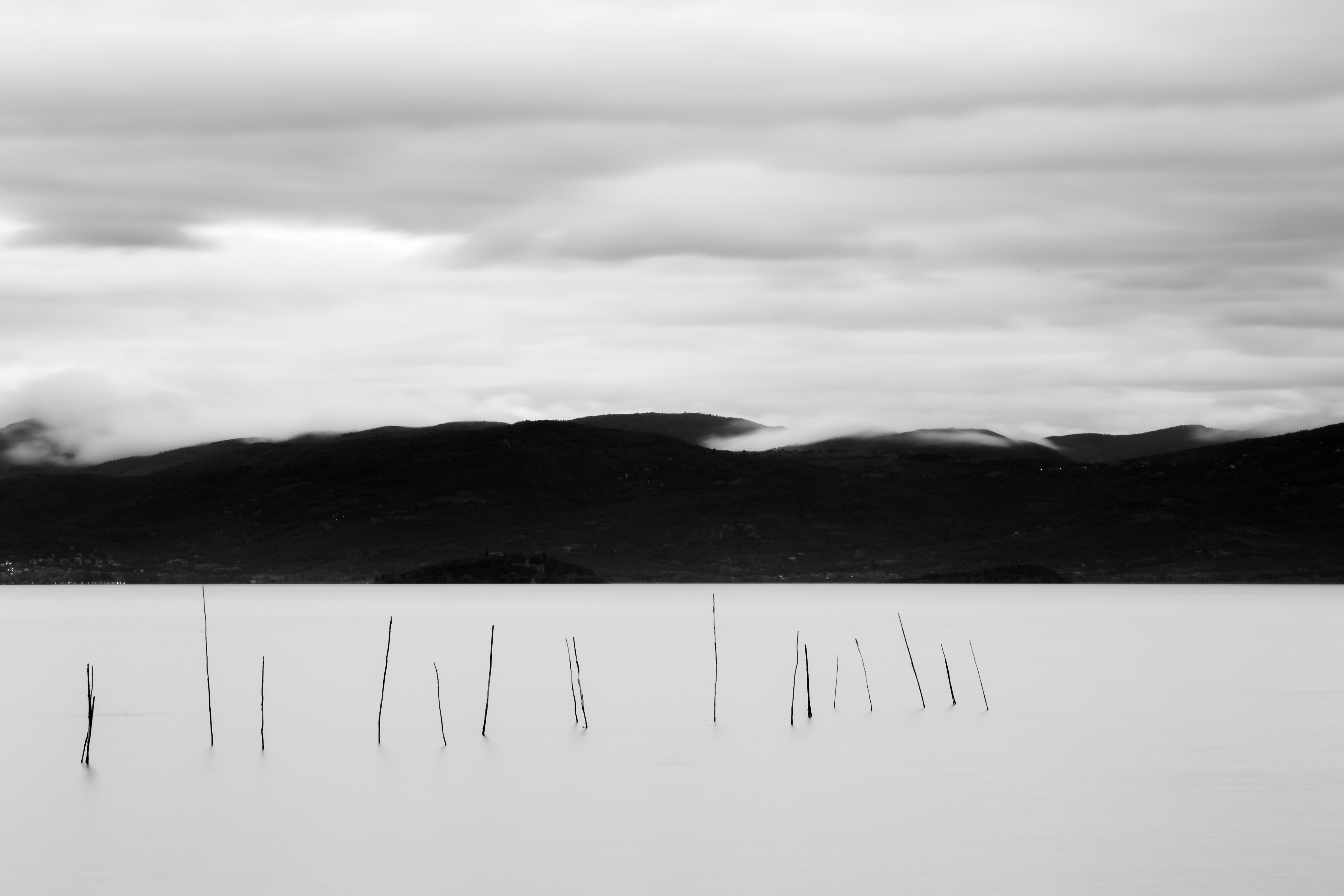
Finding Stillness in Motion I’ve stood at the edge of a rushing river at dawn, tripod planted firmly in the cold sand, and watched the world transform through my viewfinder. Long exposure photography does something remarkable—it shows us what our eyes cannot perceive. Moving water becomes silk. Clouds drift like breath across the frame. The chaos of a crowded scene vanishes, leaving only solitude. The first time I deliberately slowed my shutter speed, I wasn’t sure what to expect.
When Nature Photography Meets the Digital Age: A Cautionary Tale

When Nature Photography Meets the Digital Age: A Cautionary Tale

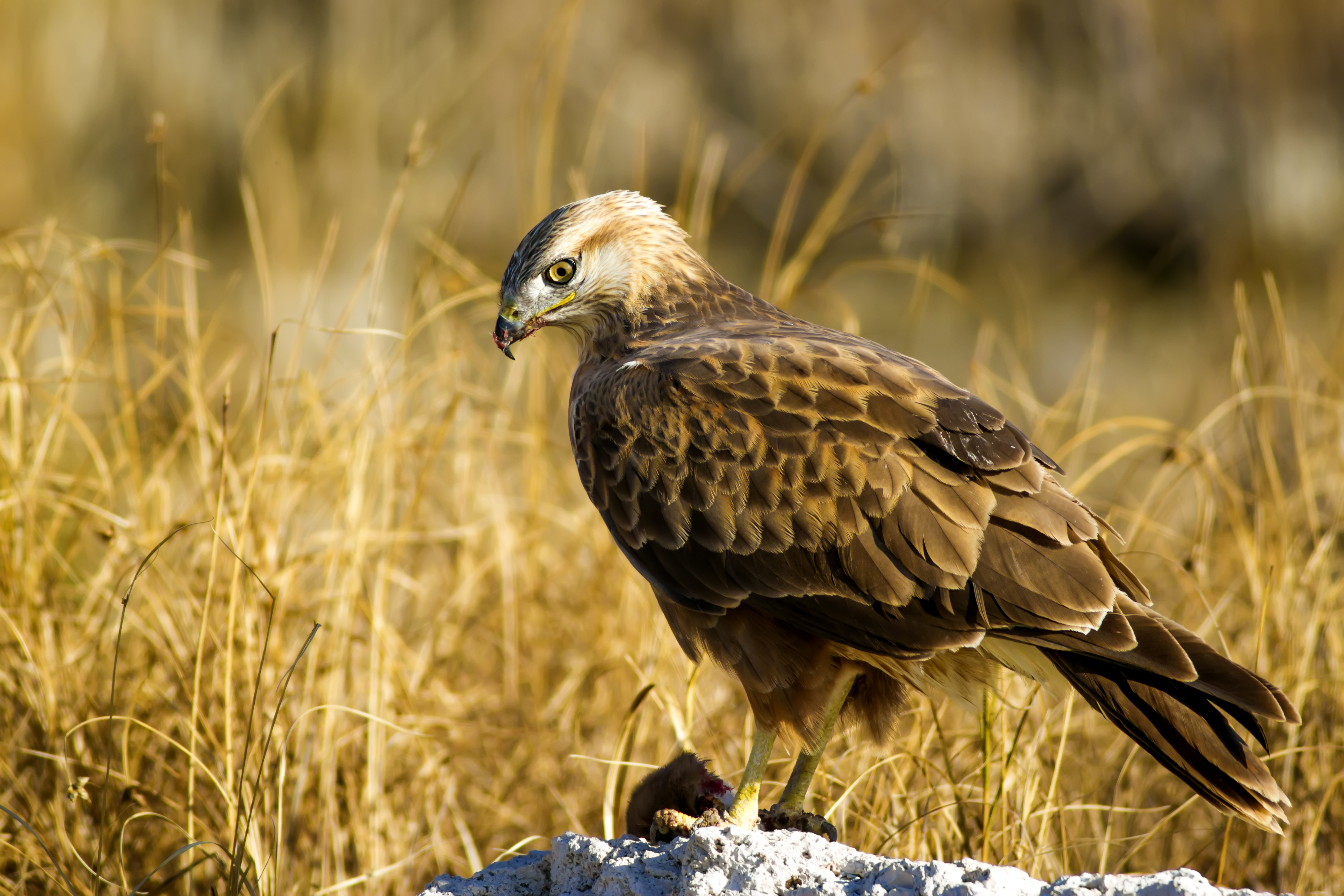
The Question That Won’t Go Away I’ve been photographing wildlife for nearly two decades, and I’ve watched the landscape of our craft transform dramatically. But recently, I witnessed something that crystallized a tension I’ve felt building in our community for years: the growing uncertainty about what constitutes a legitimate nature photograph in an age of AI and advanced compositing. The National Wildlife Federation’s recent Garden for Wildlife Photo Contest became ground zero for this debate when their winning owl image was stripped of its prize following widespread community scrutiny.

Chasing Starlight: Mastering Night Sky Photography in the Field

Chasing Starlight: Mastering Night Sky Photography in the Field

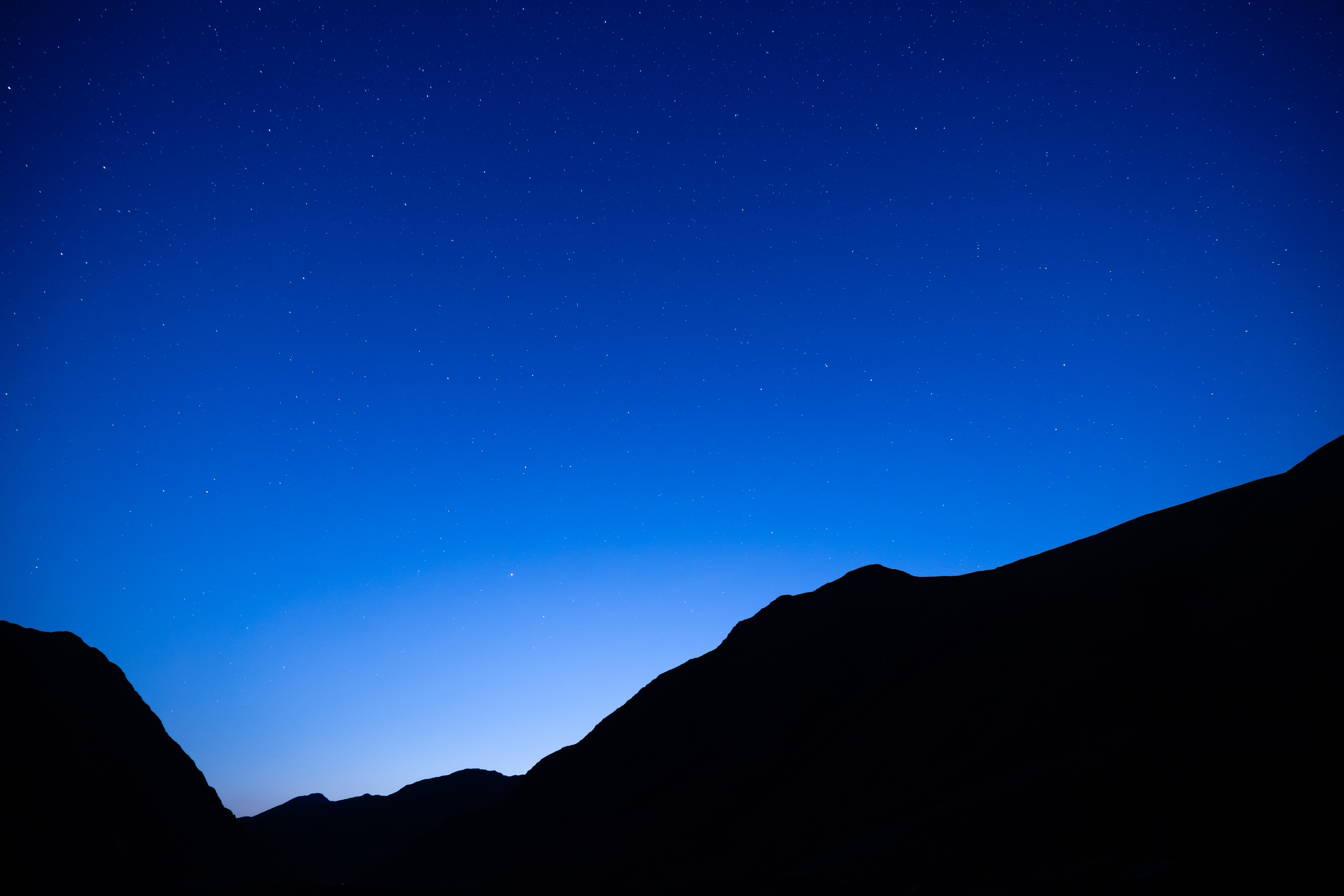
Chasing Starlight: Mastering Night Sky Photography in the Field There’s a particular silence that descends when you’re alone under the stars with your camera. It’s different from daytime shooting—quieter, somehow more intimate. After spending countless nights in remote locations chasing the Milky Way, I’ve learned that night sky photography demands both technical precision and patience. It’s not enough to show up; you need to understand what you’re looking at and how your equipment will respond in darkness.

The Art of Landscape Composition: Creating Depth in Wild Places

The Art of Landscape Composition: Creating Depth in Wild Places

The Art of Landscape Composition: Creating Depth in Wild Places I’ve stood in front of countless breathtaking vistas—jagged peaks piercing morning fog, golden light flooding across endless prairies, storms gathering over distant ridges. Yet some of my best photographs come not from the most dramatic locations, but from understanding how to arrange what I see into a cohesive image. Composition is the difference between documenting a beautiful place and creating a photograph that makes someone feel something.

When Wildlife Photography Captures the Perfectly Imperfect Moment

When Wildlife Photography Captures the Perfectly Imperfect Moment

The Beauty of Unscripted Wildlife Moments I’ve spent countless hours in the field chasing the “perfect” shot—the golden-hour light, the ideal composition, the subject in full majesty. But there’s something profoundly refreshing about Alison Tuck’s winning entry in the 2025 Sterna People’s Choice Award: a gannet with its dignified composure completely undone by a face full of grass and weeds. This image reminds us why I fell in love with nature photography in the first place.

The Art of Long Exposure: Slowing Time in Landscape Photography

The Art of Long Exposure: Slowing Time in Landscape Photography

The Art of Long Exposure: Slowing Time in Landscape Photography There’s a particular magic that happens when you slow down your camera’s perception of time. I discovered this years ago while standing waist-deep in a Scottish loch at dawn, watching my ten-second exposure transform turbulent water into something resembling silk. Long exposure isn’t just a technical trick—it’s a way of seeing the landscape differently, of revealing movement that our eyes miss in a single glance.

The Art of Capturing Panoramas: Creating Images Wider Than Your Vision

The Art of Capturing Panoramas: Creating Images Wider Than Your Vision

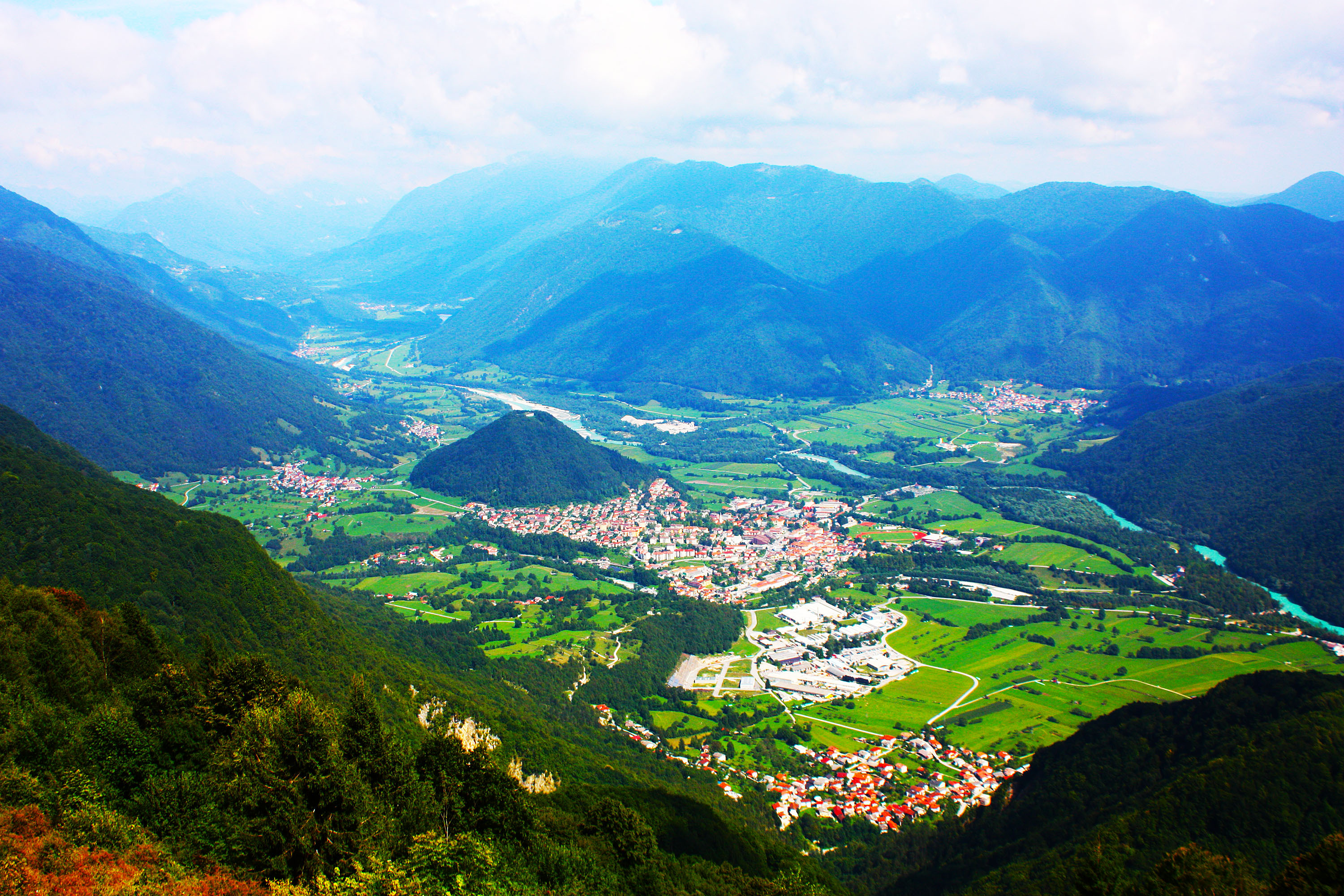
The Art of Capturing Panoramas: Creating Images Wider Than Your Vision There’s a moment in the field when a landscape refuses to fit within the boundaries of a single frame. I’ve stood on countless ridges, looking out across valleys and mountain ranges that stretch impossibly wide, feeling the frustration of knowing my camera’s sensor can only capture a fraction of what my eyes see. That’s when panoramas become not just a technical exercise, but a necessity—a way to honor the true scope of a scene.

The Art of Capturing Mountain Light: Lessons from the High Country

The Art of Capturing Mountain Light: Lessons from the High Country

I’ve spent countless mornings standing in alpine meadows, watching light pour over distant peaks, and I’ve learned that mountain photography isn’t about chasing dramatic vistas—it’s about understanding the light that defines them. The Golden Window: Timing Your Ascent Mountains demand respect for time. When I plan a shoot, I work backward from my desired location. If I want to photograph a peak during golden hour, I calculate sunrise time, add 45 minutes (when light becomes truly directional), then subtract my hiking duration and a 20-minute buffer for setup.

The Hidden Struggles Behind Every Perfect Landscape Shot

The Hidden Struggles Behind Every Perfect Landscape Shot

The Romance vs. Reality of Landscape Photography There’s something almost magical about the image of a solitary photographer standing before a vast landscape at dawn, camera mounted on a sturdy tripod, bathed in golden light. It’s the kind of scene that makes people want to pick up a camera and chase horizons. But I’ve learned through countless mornings in the field that this picturesque moment represents only a fraction of what actually happens on a landscape photography expedition.

Chasing Light in the High Country: The Art and Craft of Mountain Photography

Chasing Light in the High Country: The Art and Craft of Mountain Photography

Chasing Light in the High Country: The Art and Craft of Mountain Photography There’s a particular silence you encounter above treeline—a silence that sharpens your senses and makes you acutely aware of every shadow, every shift in color across a distant peak. This is where mountain photography begins, not with camera settings or lens choice, but with patience and presence. After years spent in alpine terrain, I’ve learned that the technical mastery matters far less than understanding how light moves across those distant ridges.

Digital Identity Verification: What It Means for Nature Photography Communities

Digital Identity Verification: What It Means for Nature Photography Communities

A New Layer of Security in Our Connected Outdoor World I’ve been spending considerable time lately thinking about how technology intersects with our natural spaces. Recently, I came across developments in biometric verification systems that made me pause and consider what this means for those of us who document the wilderness. A new identity verification approach using iris scanning technology has emerged as a tool to combat fraudulent activity in the ticketing world.

The Art of Capturing Waterfalls: Mastering Motion and Light in Flowing Water

The Art of Capturing Waterfalls: Mastering Motion and Light in Flowing Water

Finding the Right Light at the Falls I’ve learned that chasing waterfalls isn’t about arriving when the sun is brightest. In fact, some of my most compelling waterfall images were captured under overcast skies or in the diffused light of early morning mist. Harsh sunlight creates blown-out highlights in the water and harsh shadows that flatten the three-dimensional quality of the scene. Instead, I seek out cloudy days or arrive before sunrise.