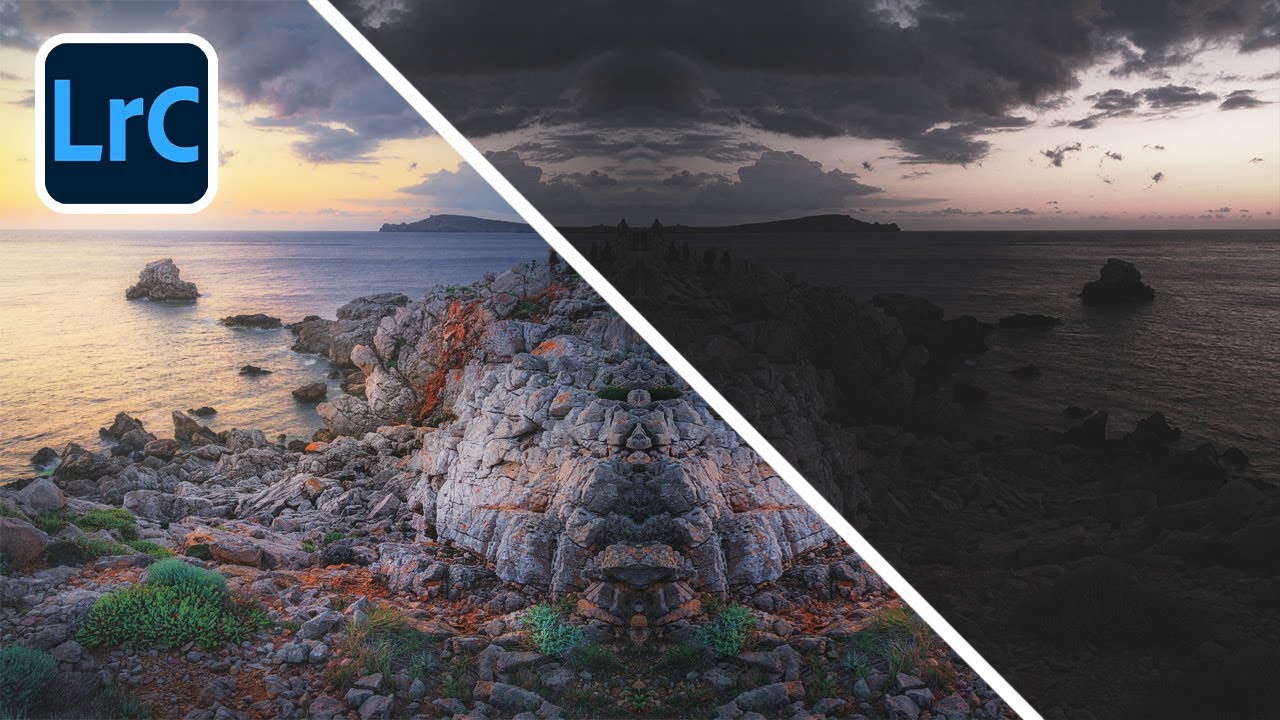
How Negative Clarity and Texture Gave My Landscape Photos a Painterly Soul

How Negative Clarity and Texture Gave My Landscape Photos a Painterly Soul

There is a particular kind of disappointment I know well. You drive hours into the dark, set up in a river at first light, wait for the fog to lift off the mountains, and come home with a technically perfect photograph that somehow feels dead. Sharp as a razor. Detailed to the point of exhaustion. It looks like a specification sheet, not a landscape. After twenty years of doing this work full time, I still fight that problem every single time I sit down at my editing desk.

The Story Triangle: Why Your Landscape Photos Aren't Landing (And How to Fix It)

The Story Triangle: Why Your Landscape Photos Aren't Landing (And How to Fix It)

I’ve been waking up before 4am and driving to dark trailheads for twenty years. In that time I’ve made technically solid images that nobody remembers, and a handful of photographs that people still write to me about years later. For a long time I couldn’t fully articulate the difference. Sharp is sharp. Exposed is exposed. So why do some images stick and others evaporate the moment the viewer scrolls past?

Goodbye Split Toning: How Lightroom's Color Grading Panel Changed the Way I Develop Every Landscape

Goodbye Split Toning: How Lightroom's Color Grading Panel Changed the Way I Develop Every Landscape

Color has always been the thing I lose sleep over. Not composition, not exposure, not even the light itself, though all three matter enormously. After twenty years of making landscape photographs, I’ve come to believe that the emotional weight of an image lives in its color. A technically perfect shot with flat, lifeless color will sit in a folder forever. The same frame with rich, coherent tones becomes the print someone hangs above their fireplace.

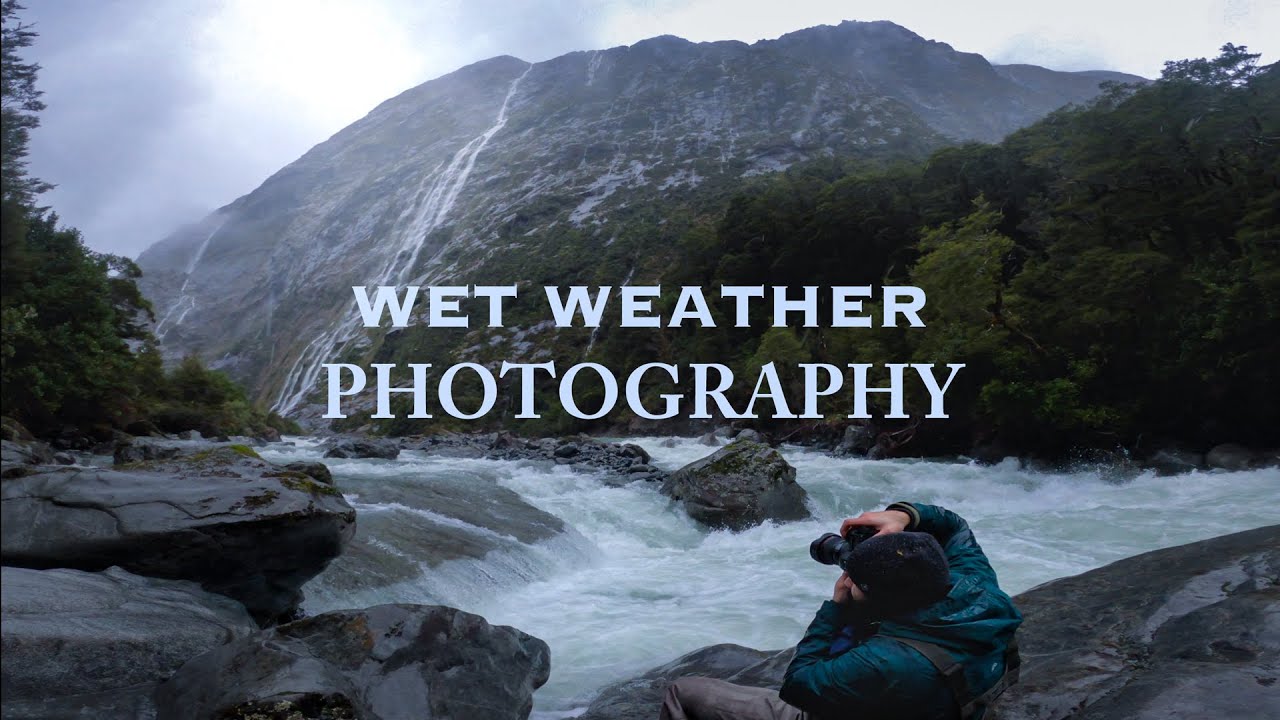
How to Shoot Dramatic Landscapes in Fiordland: Field Notes From William Patino's Approach

How to Shoot Dramatic Landscapes in Fiordland: Field Notes From William Patino's Approach

There’s a question I come back to every few years, usually when a season has gone flat and I’m grinding through shoots on autopilot. What actually excites me about this work? Not what I think I should be photographing, not what performs well in print sales, but what pulls me out of bed before the alarm even goes off. I’ve been doing this for twenty years, and I still need reminding.

Stop Planning So Much: What William Patino's Best Images Taught Me About Spontaneous Landscape Photography

Stop Planning So Much: What William Patino's Best Images Taught Me About Spontaneous Landscape Photography

There’s a particular kind of paralysis I know well. I’ll be standing at my kitchen counter in Bend at 5am, coffee going cold, scrolling through weather apps and satellite radar loops, telling myself the light won’t be worth it. I’ve been shooting landscapes full-time for twenty years, and I still fall into that trap. The forecast looks uncertain, the clouds look wrong, and I talk myself out of driving thirty minutes to the high desert before the sun clears the Cascades.

Camera Settings I Actually Use in the Field (And Why They Work): A Breakdown of William Patino's Beginner Landscape Guide

Camera Settings I Actually Use in the Field (And Why They Work): A Breakdown of William Patino's Beginner Landscape Guide

I’ve been waking up before dawn for twenty years, hauling gear into the dark, and the question I get most often at my workshops isn’t about composition or light. It’s this: “What settings should I be using?” People show up with good cameras and genuinely sharp eyes for a scene, and they’re losing the shot because their camera is fighting them instead of working with them. That gap, between owning a capable camera and actually controlling it, is what keeps a lot of beginners stuck.

Why Your Landscape Photos Look Flat (And Three Field Fixes That Actually Work)

Why Your Landscape Photos Look Flat (And Three Field Fixes That Actually Work)

There’s a particular kind of learning that only happens when someone shows you their failures. Not polished, curated “before and after” content, but the real stuff, the photographs that made them wince years later. I’ve been shooting landscapes full-time for two decades, and I can still pull up folders from my early years that make me question my own taste. Which is exactly why this William Patino tutorial stopped me mid-scroll.

When Plans Fall Apart on the Hill: Adapting Your Landscape Photography in Real Time

When Plans Fall Apart on the Hill: Adapting Your Landscape Photography in Real Time

There’s a version of landscape photography that lives on spreadsheets and weather apps and pre-visualized compositions you’ve been planning since January. And then there’s what actually happens when you show up. After twenty years of dragging gear up ridgelines before dawn, I’ve learned that the gap between those two versions of events is where the real craft lives. The ability to read conditions on the fly, swap your plan without ego, and still produce meaningful work is what separates photographers who make images from photographers who collect hikes.

The Mid-Size Pack Question: Why the MindShift Backlight 26L Became My Go-To Field Bag

The Mid-Size Pack Question: Why the MindShift Backlight 26L Became My Go-To Field Bag

I’ve owned more camera bags than I care to admit. After twenty years of pre-dawn starts in the Oregon high desert, wading creek beds in the Cascades, and hauling gear up ridgelines before the light shows up, I’ve developed strong opinions about what a bag needs to do. Most of them were formed by watching something fail at the wrong moment. A zipper that seized in the cold. Shoulder straps that turned a two-mile hike into an endurance test.

Why Your Landscape Photos Look Flat (And the Tonal Fixes That Actually Work)

Why Your Landscape Photos Look Flat (And the Tonal Fixes That Actually Work)

There is a particular kind of disappointment I know well. You were there. The light was extraordinary. You felt something standing in that landscape. Then you open the raw file and the image looks… compressed. Airless. Like everything is sitting on the same plane, equidistant from the viewer, none of it going anywhere. Flat. I have been shooting landscape photography full-time for two decades and I still encounter this problem regularly, especially when I push contrast or clarity too hard during processing.

What a Decade on YouTube Taught Sean Tucker (And What I Wish I'd Known Before Starting My Channel)

What a Decade on YouTube Taught Sean Tucker (And What I Wish I'd Known Before Starting My Channel)

I’ve spent twenty years getting up before the alarm goes off, driving to places most people will never see, and making images that I genuinely love. Selling prints and running workshops has given me a sustainable life doing exactly that. But building an online audience? That part took me far longer to understand than learning to read light. For years I treated YouTube like a portfolio dump, posting whatever I felt like whenever I felt like it, and wondering why nothing grew.

How to Break Down a Grand Landscape Into a Photograph That Actually Feels Like Something

How to Break Down a Grand Landscape Into a Photograph That Actually Feels Like Something

There’s a particular kind of paralysis that hits you when the landscape is almost too big. You’ve hiked in, the light is doing something extraordinary, and you’re standing there rotating slowly with your camera raised, trying to stuff a 180-degree panorama into a single frame. I’ve been doing this for twenty years and it still gets me. The shot that usually comes out of that moment is technically fine and emotionally empty, because when a viewer doesn’t know where to look, they don’t feel anything.