The Pre-Dawn Ritual: Why Your Camera Settings Matter More Than You Think

The Pre-Dawn Ritual: Why Your Camera Settings Matter More Than You Think

The Power of Preparation There’s something almost meditative about the moments before dawn breaks over a landscape. You’re standing in the dark, coffee in hand, checking your gear one final time. Your camera feels heavy with possibility. But here’s what separates the photographers who capture magic from those who miss it: preparation. I’ve spent enough mornings in the field to understand that the best shot often comes without warning. A bird takes flight.

What a Telephoto Lens Taught Me About Slowing Down (And Slowing the Water)

What a Telephoto Lens Taught Me About Slowing Down (And Slowing the Water)

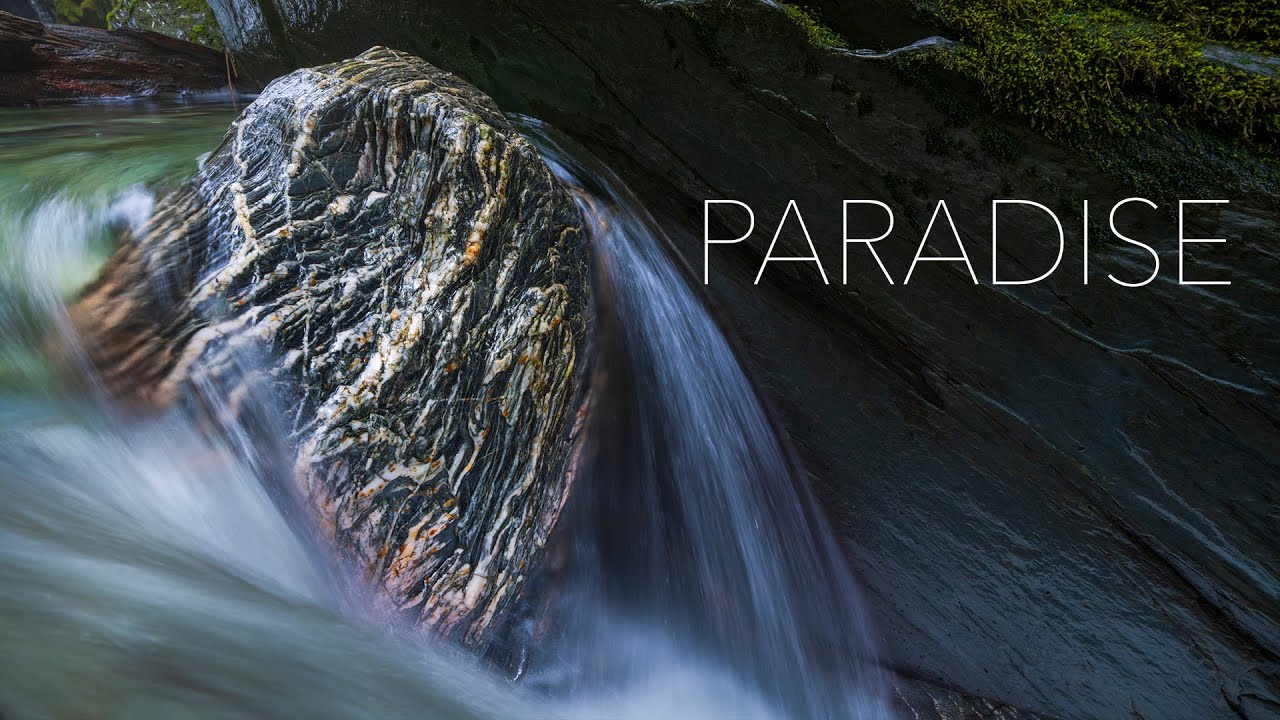
There’s a version of landscape photography that gets all the attention — the towering peak, the sweeping vista, the grand composition that makes you feel small. I’ve chased that version for twenty years, and I’ll keep chasing it. But some of my most technically interesting work, and honestly some of my most meditative shooting days, have come from standing at the edge of a small river with a long lens pointed at a patch of moving water no bigger than a dining room table.

Why Your Panoramas Feel Flat (And the Overlap System That Fixed Mine)

Why Your Panoramas Feel Flat (And the Overlap System That Fixed Mine)

There’s a ridgeline outside Bend I’ve been shooting for years. On a clear morning in October, it catches the first alpenglow in a way that makes the whole sky feel like it’s been lit from underneath. The scene is about 180 degrees wide. A single frame, even with my widest rectilinear lens, kills it. The compression flattens the drama, shrinks the peaks, and turns something enormous into something merely pretty. The only answer is a panorama, and for most photographers, that’s where the frustration starts.

Balancing Light and Composition at Sunset: What William Patino's Framework Taught Me to Stop Ignoring

Balancing Light and Composition at Sunset: What William Patino's Framework Taught Me to Stop Ignoring

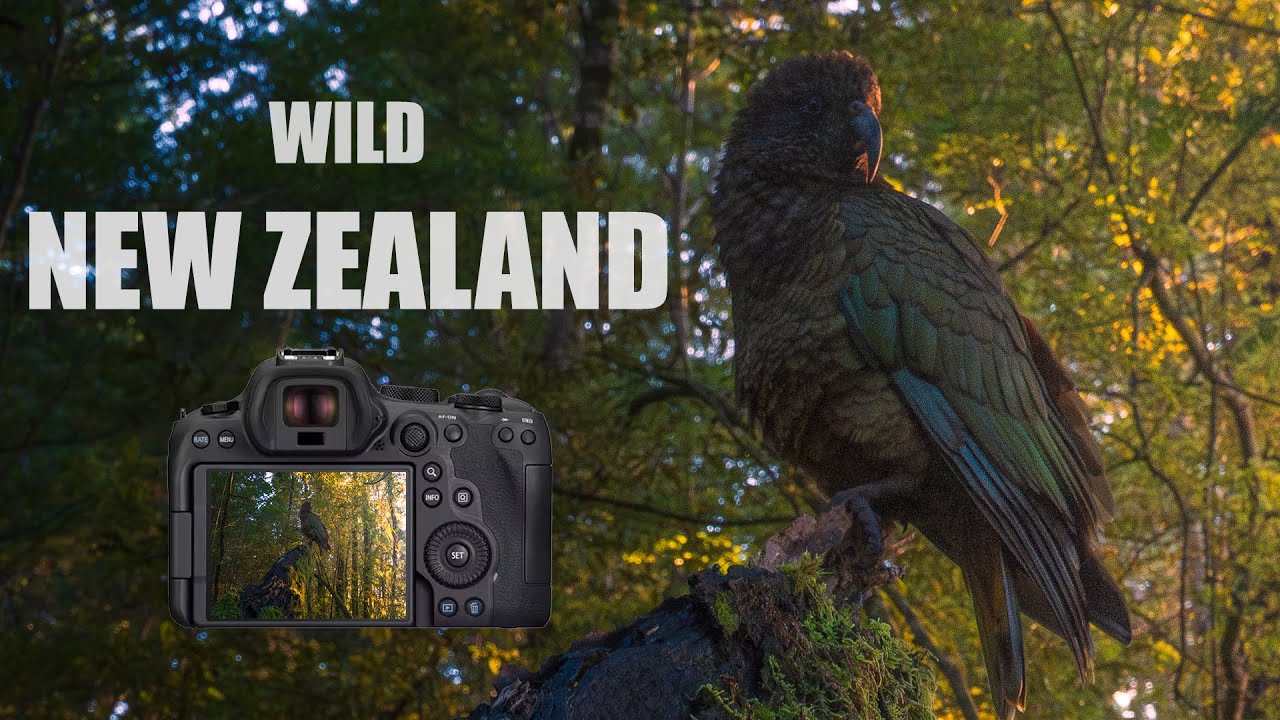
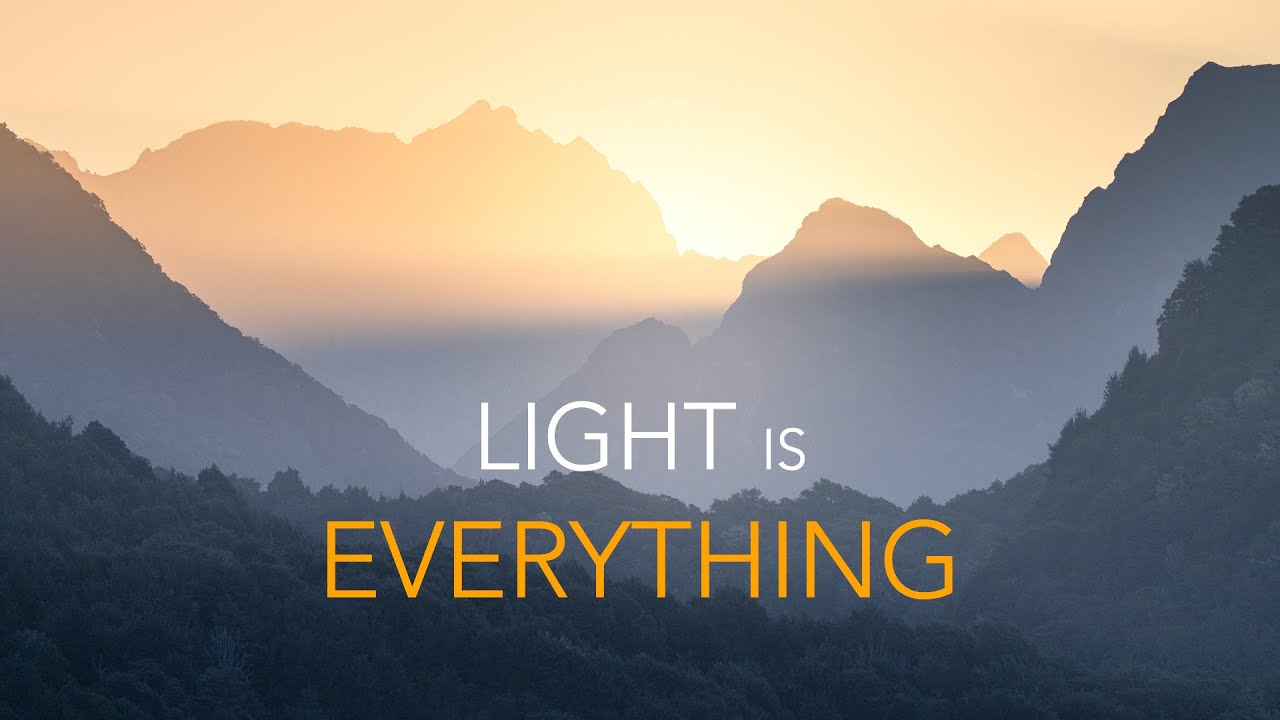
There’s a particular kind of pressure that builds when golden light starts happening and you’re still walking, still looking, still not sure where to plant the tripod. I’ve felt it hundreds of times over the past two decades. The chest tightens, the legs move faster, and suddenly you’re forcing a composition instead of finding one. I’ve come home with technically fine shots that feel hollow because I rushed into them. So when I came across Watch the full tutorial on YouTube from William Patino, filmed during a summer sunset session in Fiordland National Park, I kept nodding along because he was describing the exact problem I still wrestle with, and offering a framework that actually works.

The Framework I Wish I'd Had Twenty Years Ago: Composing Landscape Images That Actually Work

The Framework I Wish I'd Had Twenty Years Ago: Composing Landscape Images That Actually Work

There’s a particular kind of paralysis that sets in when you’re standing in a beautiful place with a camera in your hands. The light is doing something extraordinary, the scene is alive, and you have absolutely no idea where to point the lens. After two decades of doing this work, I still feel it. The difference now is that I’ve built a repeatable process for working through it, and that process maps almost perfectly onto what William Patino demonstrates in his forest composition tutorial.

Sharp Front to Back: How Focus Stacking Saved My Last Desert Shoot

Sharp Front to Back: How Focus Stacking Saved My Last Desert Shoot

There’s a particular kind of frustration that comes with a scene that simply will not cooperate with your aperture. You’re standing in front of something extraordinary, maybe a gnarled tree pushing up from a rocky foreground with a mountain range filling the sky behind it, and no matter where you set your f-stop, something goes soft. Stop down to f16 and diffraction steals your sharpness. Open up to f8 and the foreground loses definition.

Why Your Sky Masks Look Fake (And the Lightroom Workaround That Finally Fixes It)

Why Your Sky Masks Look Fake (And the Lightroom Workaround That Finally Fixes It)

There’s a particular kind of frustration that lives in the zoom-in. You’ve done everything right. The sky mask selected cleanly, the clouds have drama and texture now, the exposure looks balanced. You toggle the edit on and off and feel that small, quiet satisfaction of a job done well. Then you zoom in to check your edges and there it is: a thin, glowing halo hugging the ridgeline like the mountain is lit from behind by something that was never there.

The Art of Showing Up: What William Patino's Fiordland Workflow Taught Me About Getting Out of My Own Way

The Art of Showing Up: What William Patino's Fiordland Workflow Taught Me About Getting Out of My Own Way

There’s a version of landscape photography that gets sold online constantly. Perfect golden light, a clear vision, a hero shot on the first try. After twenty years of hauling gear into the dark before most people set an alarm, I can tell you that version is mostly fiction. The reality looks a lot more like what William Patino captures in this refreshingly honest tutorial, Watch the full tutorial on YouTube, where he walks into a patch of forest with no plan, no golden light, and no guarantee of anything.

When Epic Stops Working: Rediscovering Quiet Light in the Field

When Epic Stops Working: Rediscovering Quiet Light in the Field

There’s a version of this problem I know embarrassingly well. After twenty years of waking before dawn and standing in cold rivers waiting for the light to do something worth photographing, I noticed something uncomfortable about myself: I’d stopped getting excited about ordinary mornings. Not bad mornings. Just ordinary ones. Soft overcast, no wind, no drama. I’d look at the scene, feel nothing, and start running through excuses to pack up early.

What the Dark Actually Costs You: A Night Sky Photographer's Honest Field Notes

What the Dark Actually Costs You: A Night Sky Photographer's Honest Field Notes

The first time I drove out to Steens Mountain at midnight, I pulled over on a dirt road about forty miles from the nearest town, cut the engine, and just sat there. Not because I was being poetic about it. My eyes needed time. That’s the thing most articles skip: your vision takes a full twenty to thirty minutes to reach its peak dark adaptation, and if you so much as glance at your phone screen without a red filter on it, you reset the clock.

Why Mountain Light Lies to Your Camera (And What to Do About It)

Why Mountain Light Lies to Your Camera (And What to Do About It)

The alarm doesn’t go off at 4am because I don’t set one. I’m already awake, already calculating whether the cloud cover from the night before has broken, already thinking about whether the light I drove toward is still worth chasing. Last October I was parked at a trailhead outside Sisters, Oregon, headlamp on, boots laced, staring at a sky that had gone completely wrong. The forecast had called for a clear sunrise window.

The Art of Panoramic Landscape Photography: Seeing Beyond the Frame

The Art of Panoramic Landscape Photography: Seeing Beyond the Frame

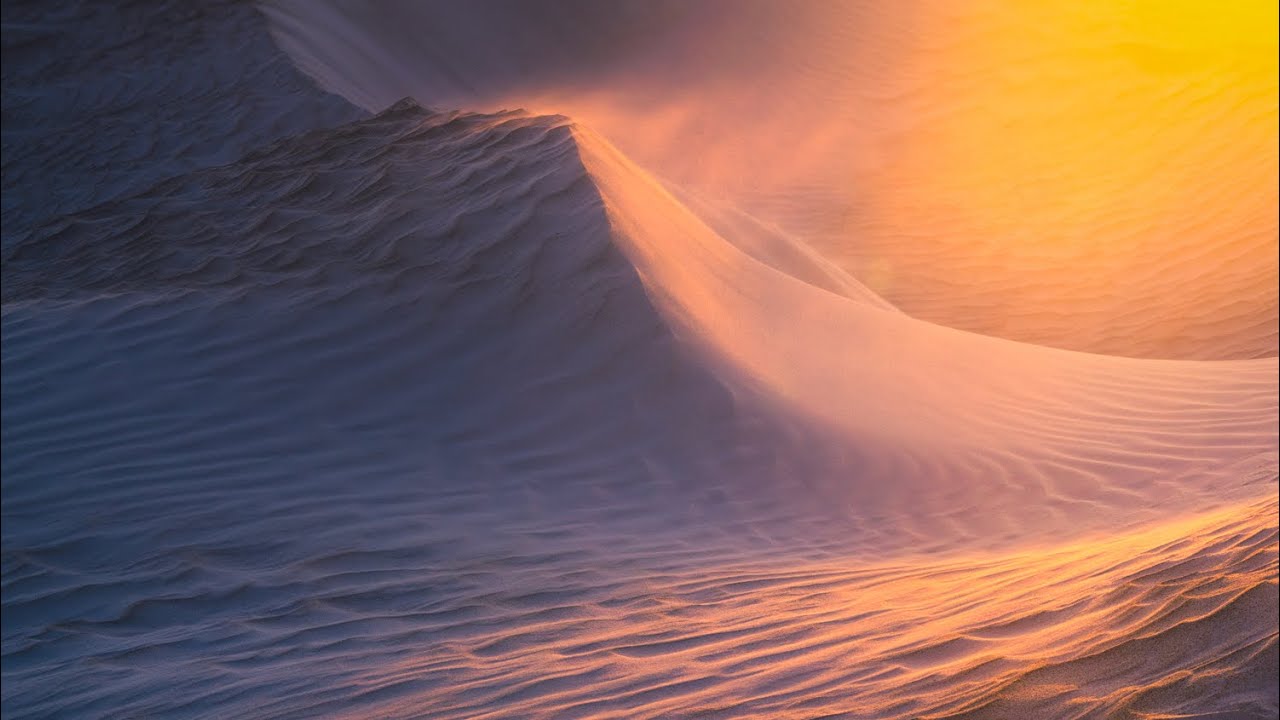
The Art of Panoramic Landscape Photography: Seeing Beyond the Frame Standing at the edge of a canyon at sunrise, I’ve often felt the limitations of a single frame. The light spreads across the entire horizon—soft amber fading to purple, stretching far beyond what my widest lens can capture in one shot. This is when I reach for panorama. It’s not a shortcut for composition; it’s an entirely different way of seeing.