Why Your Waterfall Photos Look Flat (And What to Fix Before You Even Raise the Camera)

Why Your Waterfall Photos Look Flat (And What to Fix Before You Even Raise the Camera)

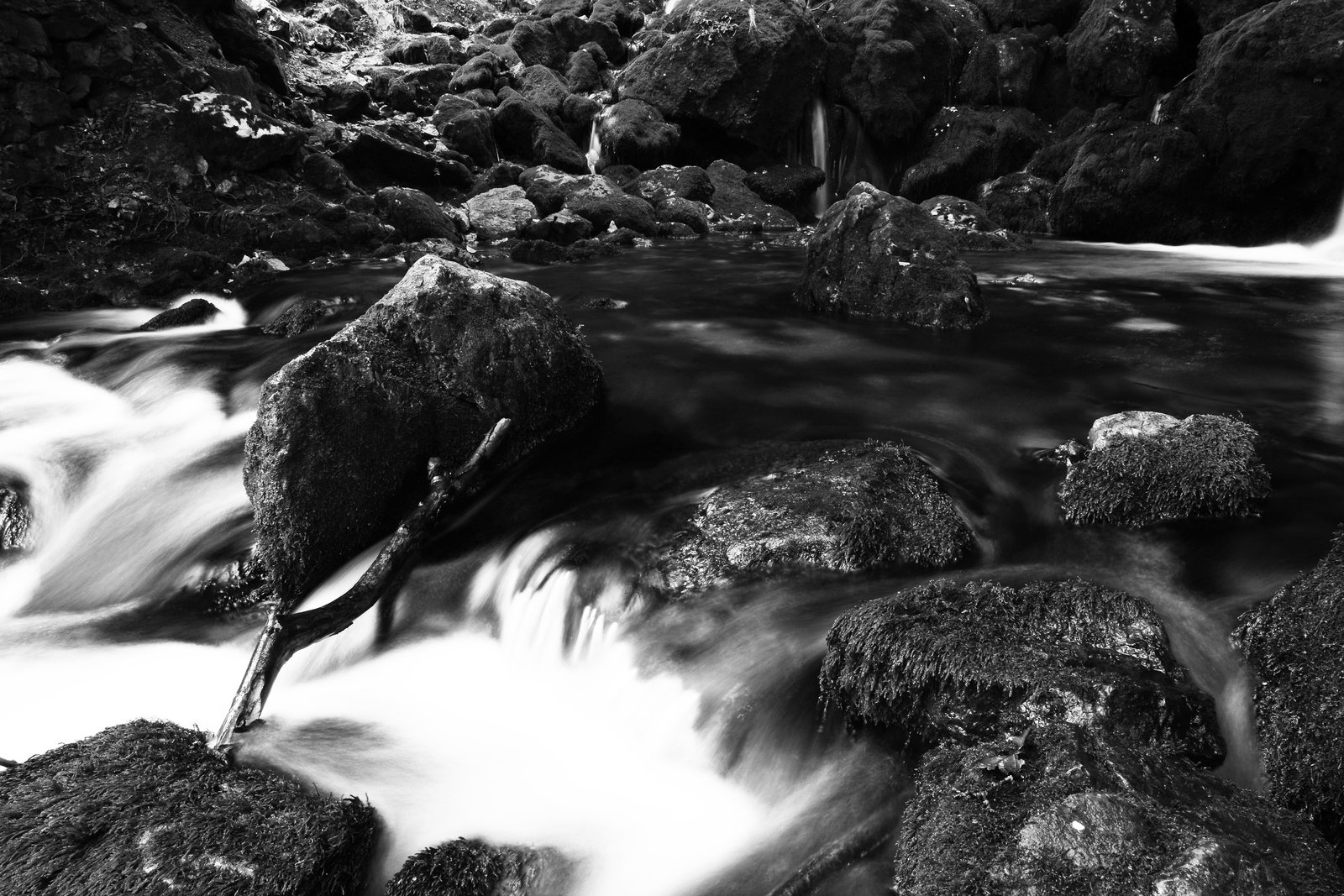
There’s a particular kind of disappointment that hits when you’ve hiked two miles in the dark, set up in the spray of a beautiful falls at golden hour, and come home with images that look like a stock photo from 2009. Silky water, sure. But flat. Lifeless. No sense of the cold or the roar or the green smell of moss on wet rock. I’ve been making that hike, in various forms, for twenty years.

Sun Behind Your Subject: A Field Guide to Natural Light and Fill Flash for Outdoor Portraits

Sun Behind Your Subject: A Field Guide to Natural Light and Fill Flash for Outdoor Portraits

Most of my working life is spent chasing light for landscapes. I’m the person standing in a freezing river at dawn, waiting on a mountain that genuinely does not care about my schedule. Portraits are a different discipline, but the underlying logic is the same: light placement is everything, and getting it wrong means you walked away with nothing worth keeping. I was watching a tutorial recently from Tony and Chelsea Northrup, filmed at Harkness Park in Waterford, Connecticut, and even after two decades behind a camera, it crystallized something I’d been doing half-right for years.

Seeing in Black and White Before You Press the Shutter: Lessons from a Day on the Northern Irish Coast

Seeing in Black and White Before You Press the Shutter: Lessons from a Day on the Northern Irish Coast

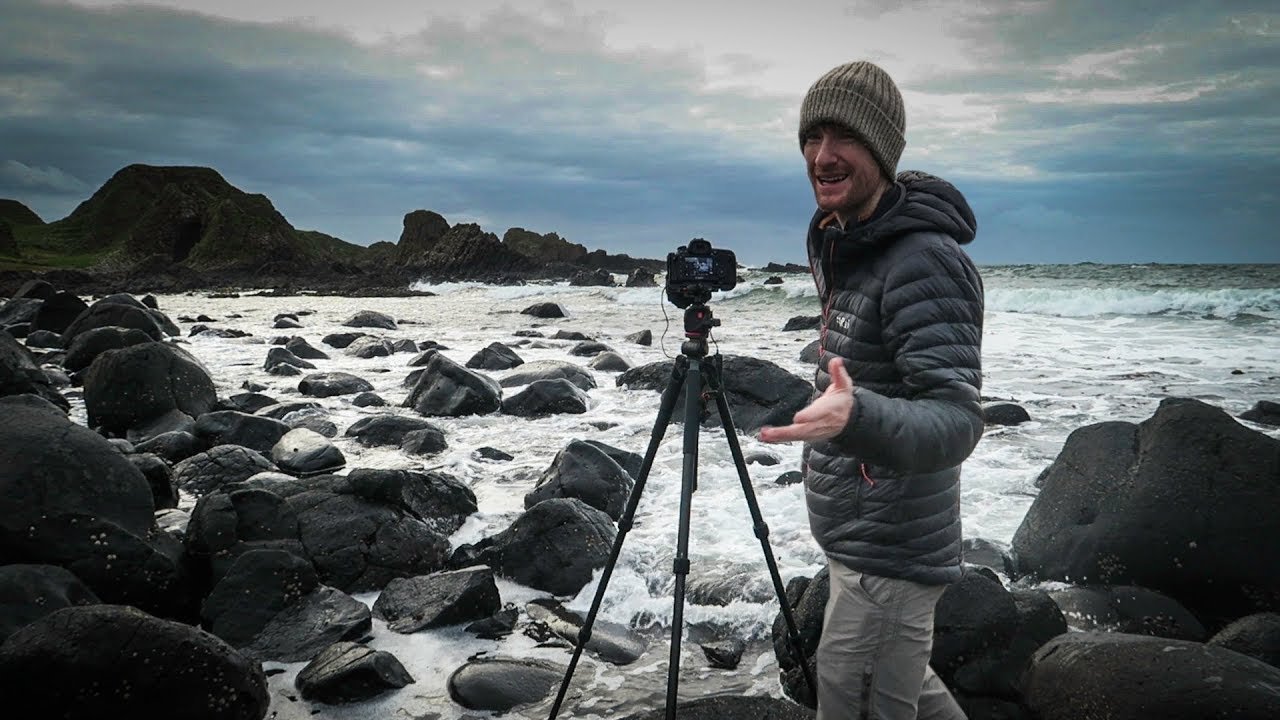
There’s a particular kind of frustration that comes with shooting somewhere new. You’ve done the research, you’ve driven hours to get there, and now you’re standing in front of genuinely spectacular scenery with a camera in your hands and not enough time to understand any of it. I’ve been making photographs for twenty years and that feeling hasn’t gone away. What has changed is how I respond to it. Instead of chasing everything, I’ve learned to slow down and ask one question: what does this scene want to be?

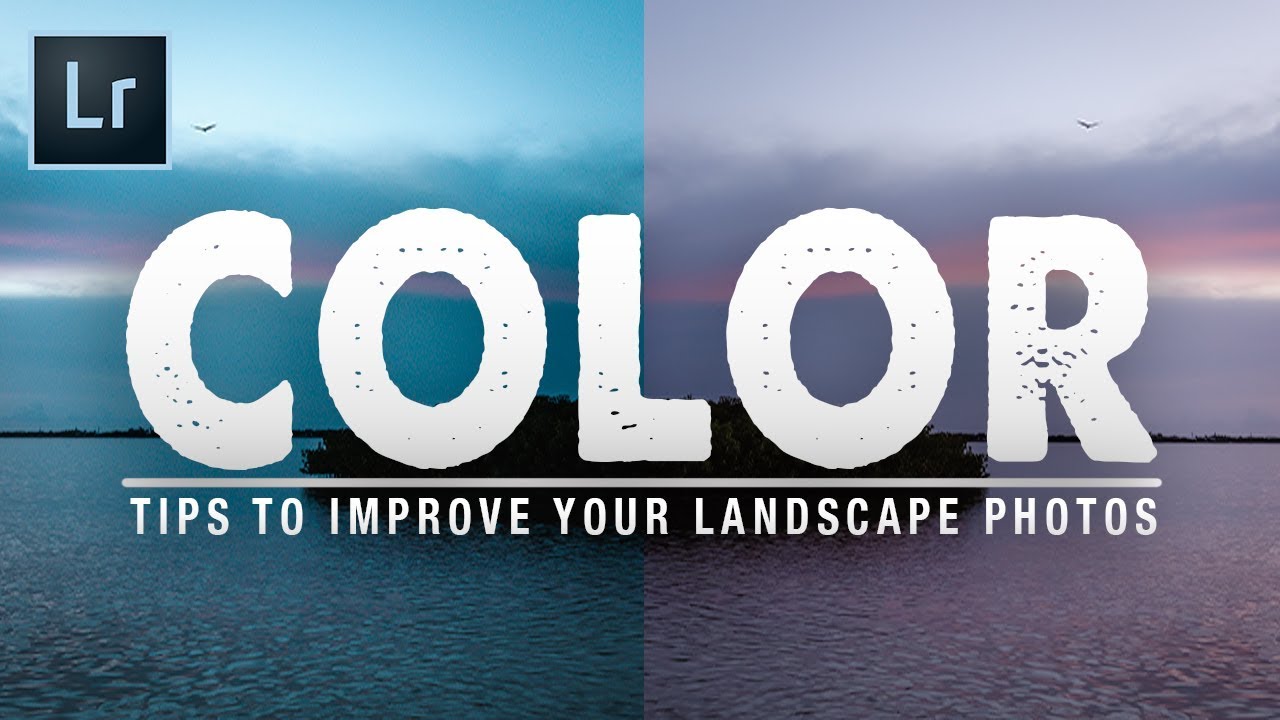
Color That Feels True: 7 Lightroom Tips From a Tutorial Worth Your Time

Color That Feels True: 7 Lightroom Tips From a Tutorial Worth Your Time

Color has always been the thing that either pulls a viewer into a landscape image or quietly pushes them away. I’ve been making photographs in the field for twenty years, and I still come home from shoots where the light was extraordinary and find that the raw files look flat, muddy, or just slightly off in a way I can’t immediately name. The colors in my head don’t match the colors on the screen, and closing that gap is the real work of editing.

The Art of the Panorama: How to Stitch Together a Scene That Actually Holds Together

The Art of the Panorama: How to Stitch Together a Scene That Actually Holds Together

There’s a ridge I know above the Cascades where the view runs maybe 180 degrees on a clear morning. The first time I set up there, I tried to capture it in a single frame. I had a 14mm lens on my Sony A7R IV. I shot it, got home, and opened the file. Technically correct. Completely lifeless. The scene had been compressed into something small and forgettable, robbed of the very scale that made standing there feel like something.

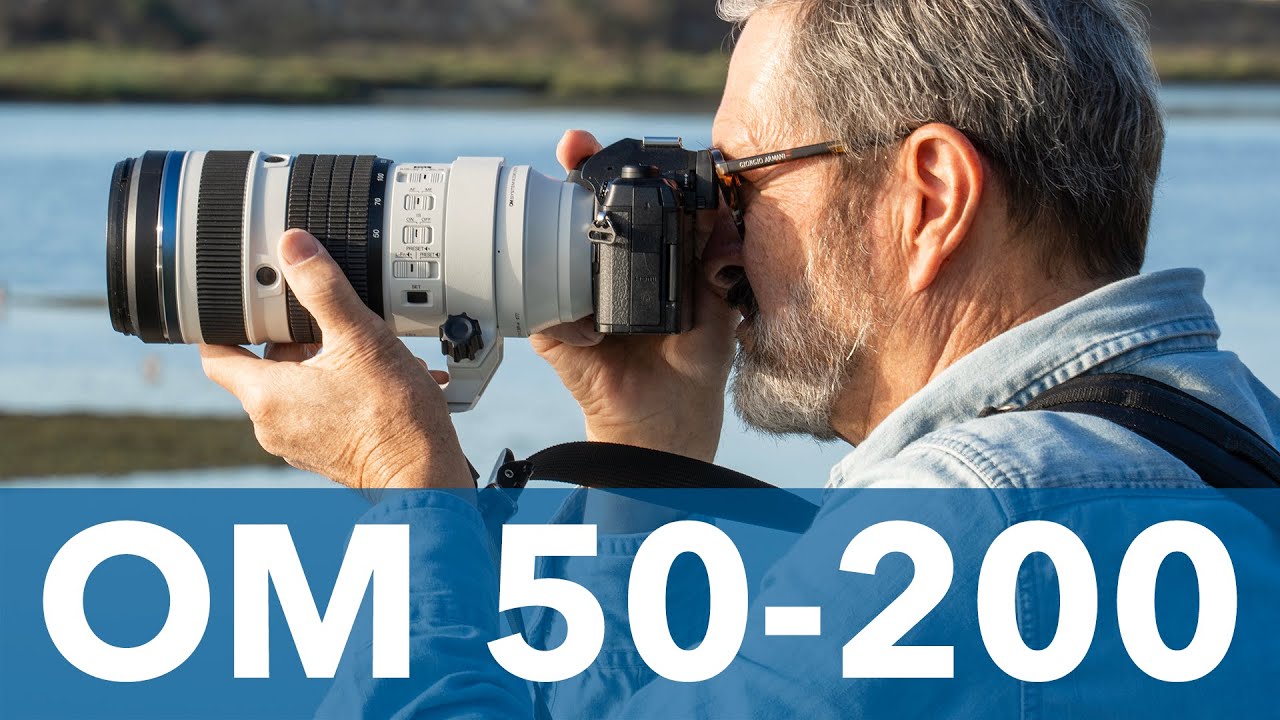
The 100-400mm f/2.8 That Actually Goes Outside: Field Notes on OM's 50-200mm Lens

The 100-400mm f/2.8 That Actually Goes Outside: Field Notes on OM's 50-200mm Lens

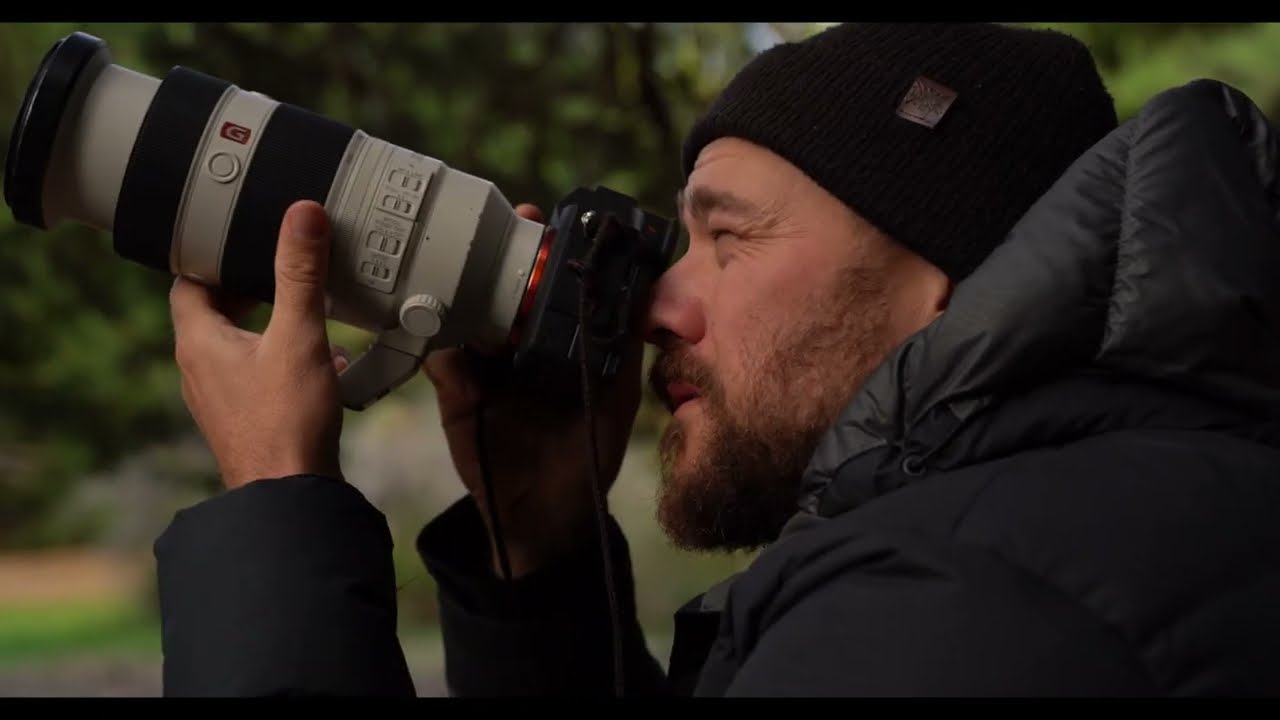
There’s a particular problem I’ve never fully solved with wildlife and wetland shooting: the gear that gives you reach doesn’t give you light, and the gear that gives you light doesn’t go near water. I’ve spent twenty years working around that trade-off, hauling separate kits for different conditions, babying lenses at the edge of marshes, making peace with the idea that a true fast telephoto was something you rented or didn’t own.

Third Time Lucky: What Persistence in Brutal Weather Actually Teaches You About Landscape Photography

Third Time Lucky: What Persistence in Brutal Weather Actually Teaches You About Landscape Photography

There’s a particular kind of frustration that every serious landscape photographer knows. You’ve driven hours, hiked to the spot, set up your tripod, dialed in your composition, and then the light dies. The clouds roll in. The blizzard arrives. You pack up and go home with nothing. Most photographers experience this and conclude the location wasn’t worth it. The ones who keep going back are the ones who eventually get the shot that defines their portfolio.

From Observer to Photographer: A Complete Landscape Workflow That Actually Works

From Observer to Photographer: A Complete Landscape Workflow That Actually Works

There’s a particular kind of frustration that creeps in when you arrive at a location, camera in hand, and immediately feel the pressure to produce. You start firing frames before you’ve even looked at the place. You chase the light without a plan. You come home with a hundred forgettable images and one nagging feeling that you missed something. I’ve been doing this for twenty years and it still happens to me if I’m not deliberate about my process.

What a Coastal Dawn Shoot Taught Me About Working Smarter in the Field

What a Coastal Dawn Shoot Taught Me About Working Smarter in the Field

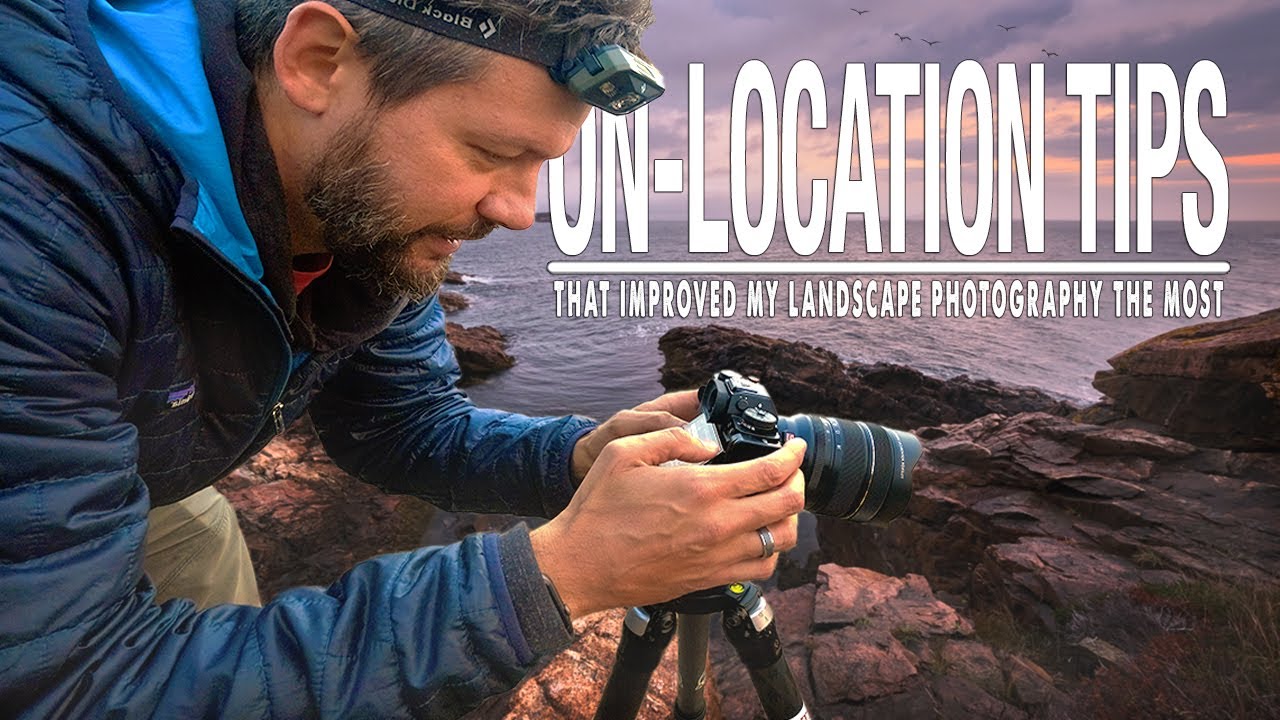
There’s a particular kind of discipline that separates a productive pre-dawn shoot from an expensive drive to watch nothing happen. I’ve been shooting landscapes full-time for two decades and I still catch myself making the same on-location mistakes when I’m rushing, cold, or overconfident about conditions. What I’ve learned is that a good field workflow isn’t about having the right gear. It’s about making a series of small, smart decisions in sequence, each one building on the last.

Great Local Park Photography: How to Find Compelling Images When Epic Landscapes Aren't an Option

Great Local Park Photography: How to Find Compelling Images When Epic Landscapes Aren't an Option

Most of my best mornings start in the dark, coffee in hand, driving toward something grand. A ridgeline, a river bend, a slot canyon lit up for twenty minutes a year. After two decades doing this for a living, I’ve built a practice around chasing those conditions. But here’s the problem no one talks about at workshops: you can’t always chase. Some weeks the schedule doesn’t cooperate. The light is flat.

Hiking In, Sleeping Rough, and Focus Stacking at Sunrise: Lessons from William Patino's Alpine Workflow

Hiking In, Sleeping Rough, and Focus Stacking at Sunrise: Lessons from William Patino's Alpine Workflow

There’s a kind of shot that can’t be rushed and can’t be faked. You know the one. A mountain face catching first light, foreground plants sharp as a pin, sky still holding a blush of pre-dawn color, depth stretching from your boots to the horizon. I’ve been chasing that shot for two decades, and the honest truth is that the technical side, the focus stacking, the Lightroom processing, is usually the easier half.

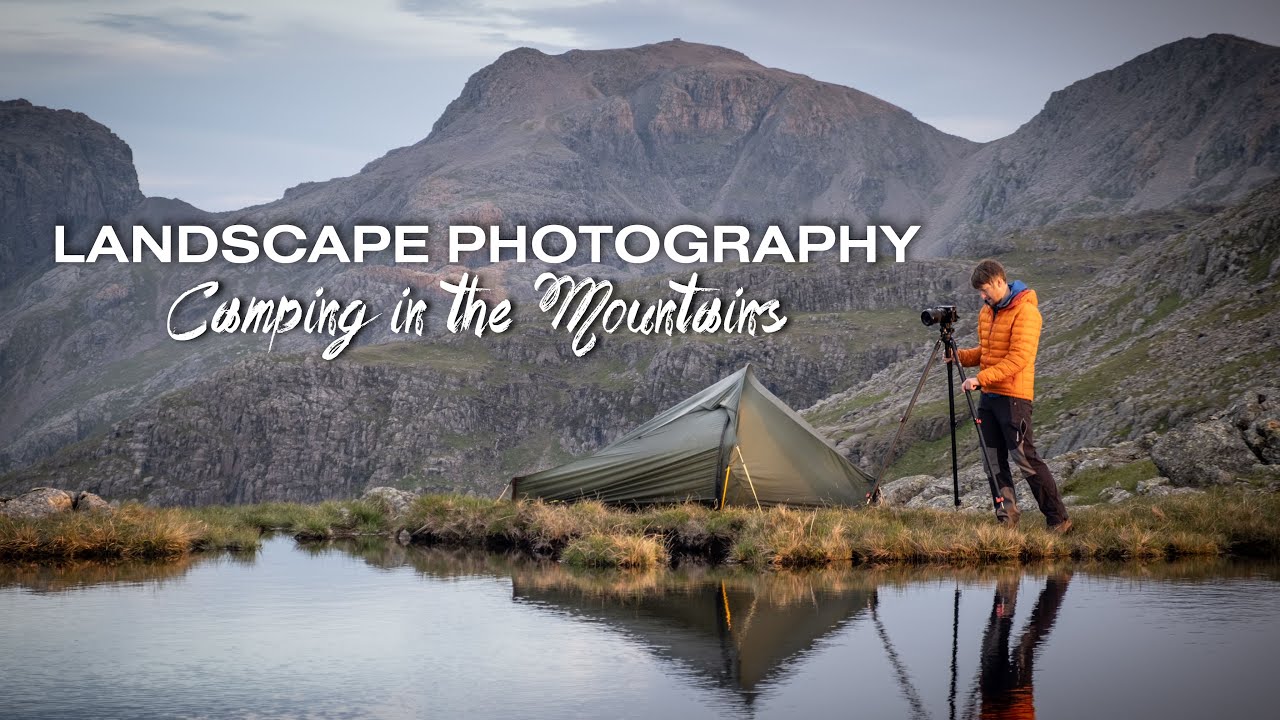
Camping in the Mountains for Landscape Photography: What Thomas Heaton Gets Right About Chasing Light

Camping in the Mountains for Landscape Photography: What Thomas Heaton Gets Right About Chasing Light

There’s a specific kind of suffering that comes with hauling too much gear up a mountain. I’ve done it more times than I care to admit. The extra filter system, the backup body, the “just in case” lens that adds two pounds and never leaves the bag. You tell yourself you’ll need it. You usually won’t. But every now and then, you pull out that polarizer at exactly the right moment, and the whole scene transforms in front of you.