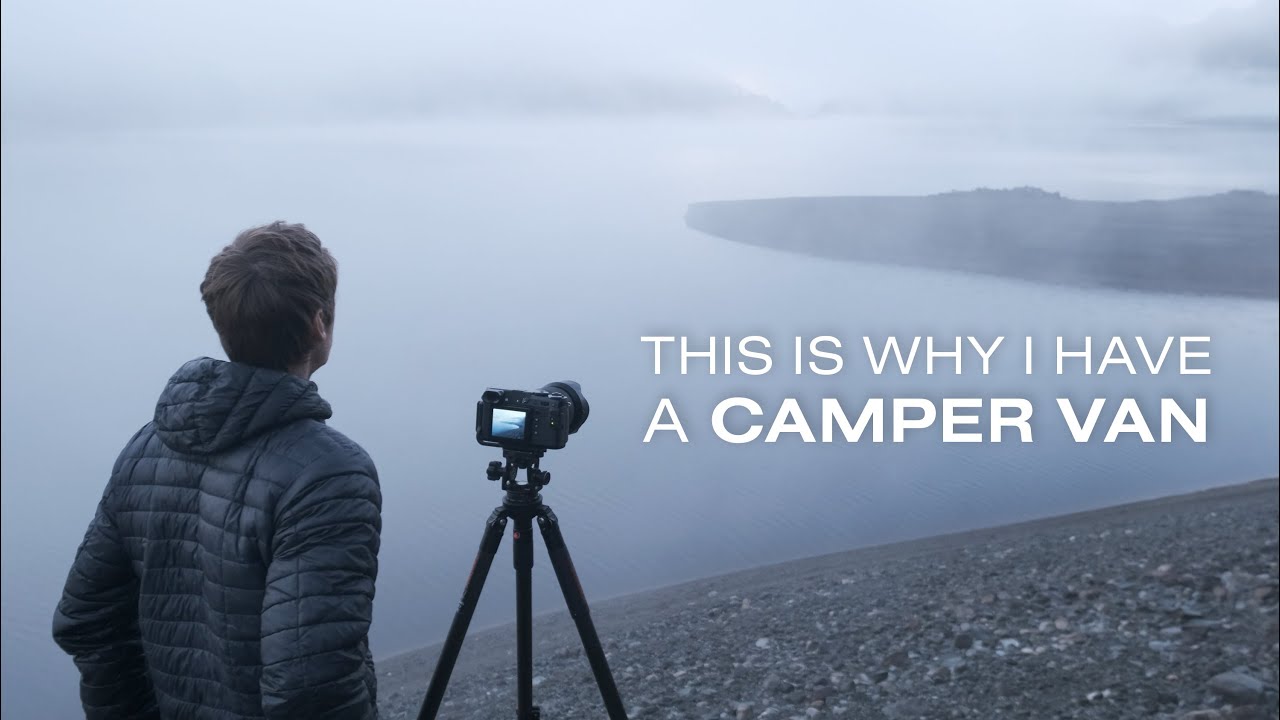
There’s a particular kind of dread I know well. You’ve driven out before dawn, the weather app is showing a flat gray slab of cloud, and you genuinely cannot picture a single frame worth making. I’ve been shooting landscapes for twenty years and that feeling has never fully gone away. What has changed is what I do with it. I’ve learned, sometimes painfully, that aimlessness in the field is not a character flaw. It’s a precondition for discovery, if you know how to work with it rather than against it.
That’s exactly why this tutorial from Thomas Heaton stopped me mid-scroll. In his video, Watch the full tutorial on YouTube, Heaton documents what happens when a routine Lake District drive turns into an unplanned overnight shoot at a reservoir he’s visited before. The water levels had dropped to historic lows, exposing islands he’d never been able to reach. He pulled over, sent up his drone to scout, and made the decision on the spot. What follows is a masterclass not just in composition or light, but in the working psychology of a field photographer. Here’s how to break down and apply what he does.
Step 1: Treat Doubt as a Signal, Not a Stop Sign
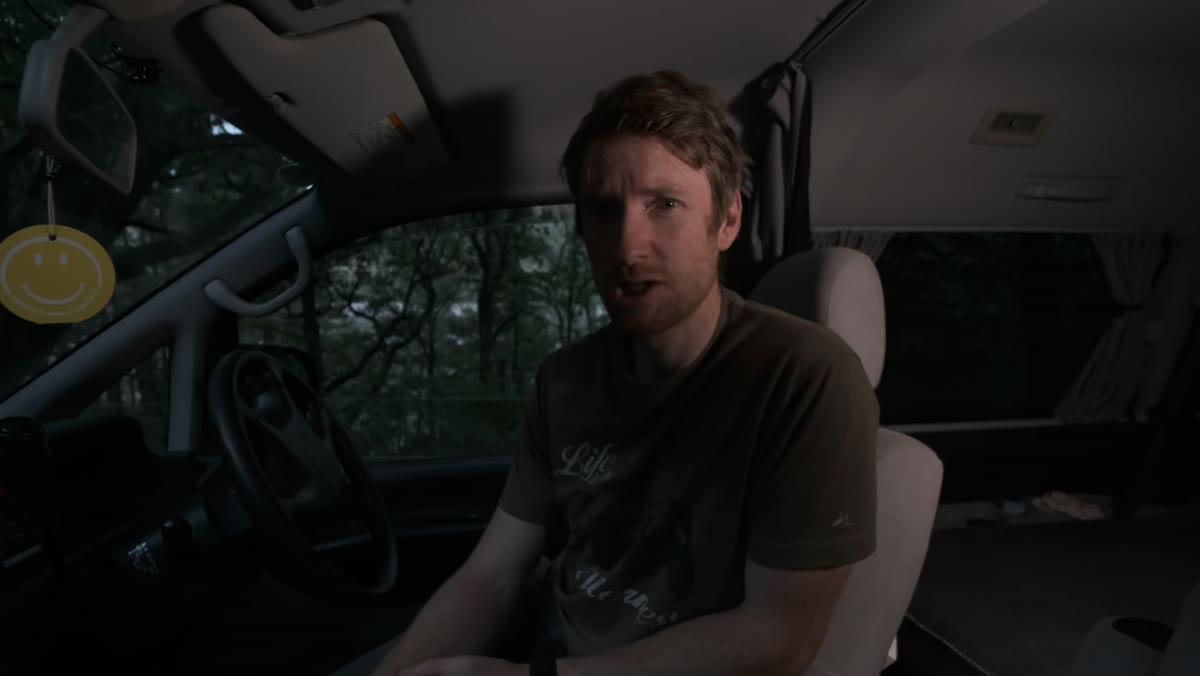
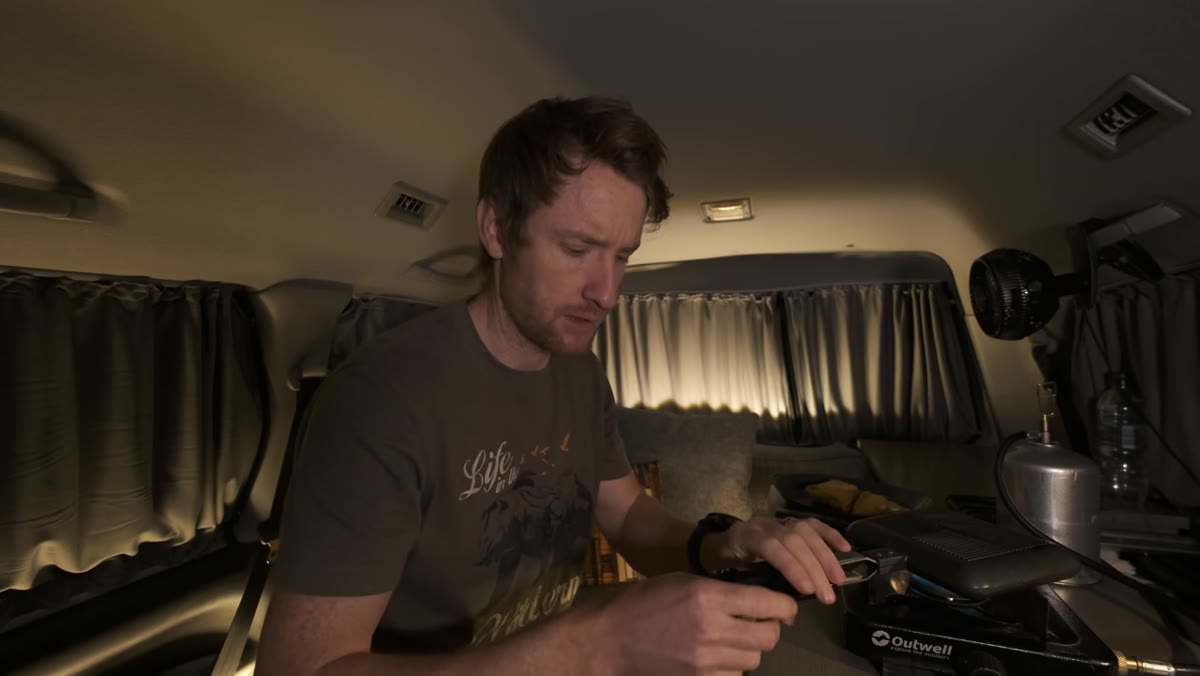 Thomas sitting in van eating, talking about pre-shoot uncertainty
Heaton is refreshingly honest about arriving in the Lake District with no concrete plan. The autumn colors hadn’t turned yet, he had no target location, and he was seriously considering heading home. Most photographers I know would do exactly that. The lesson here is that the discomfort of uncertainty is not a sign you should quit. It’s a sign you’re paying attention. When a location or a light condition surprises you, your nervous system responds before your brain catches up. Learn to trust that initial spike of interest. Drive toward it, not past it.
Thomas sitting in van eating, talking about pre-shoot uncertainty
Heaton is refreshingly honest about arriving in the Lake District with no concrete plan. The autumn colors hadn’t turned yet, he had no target location, and he was seriously considering heading home. Most photographers I know would do exactly that. The lesson here is that the discomfort of uncertainty is not a sign you should quit. It’s a sign you’re paying attention. When a location or a light condition surprises you, your nervous system responds before your brain catches up. Learn to trust that initial spike of interest. Drive toward it, not past it.
Step 2: Use a Drone for Rapid Location Assessment
 Drone being launched near reservoir shoreline
Before committing to sleeping in his van overnight at the reservoir, Heaton sent his drone up to evaluate what was actually there. This is smart field craft. Walking an unfamiliar shoreline in fading light costs time and can be dangerous on loose or muddy banks. A few minutes of aerial reconnaissance told him which islands were accessible, where the interesting terrain was, and whether the overall composition had potential. If you fly a drone, build this into your workflow whenever you’re at an unfamiliar spot or returning to a familiar one after weather or seasonal changes. Think of the drone as your fast-forward button for location scouting.
Drone being launched near reservoir shoreline
Before committing to sleeping in his van overnight at the reservoir, Heaton sent his drone up to evaluate what was actually there. This is smart field craft. Walking an unfamiliar shoreline in fading light costs time and can be dangerous on loose or muddy banks. A few minutes of aerial reconnaissance told him which islands were accessible, where the interesting terrain was, and whether the overall composition had potential. If you fly a drone, build this into your workflow whenever you’re at an unfamiliar spot or returning to a familiar one after weather or seasonal changes. Think of the drone as your fast-forward button for location scouting.
Step 3: Make the Decision to Stay Before the Light Arrives
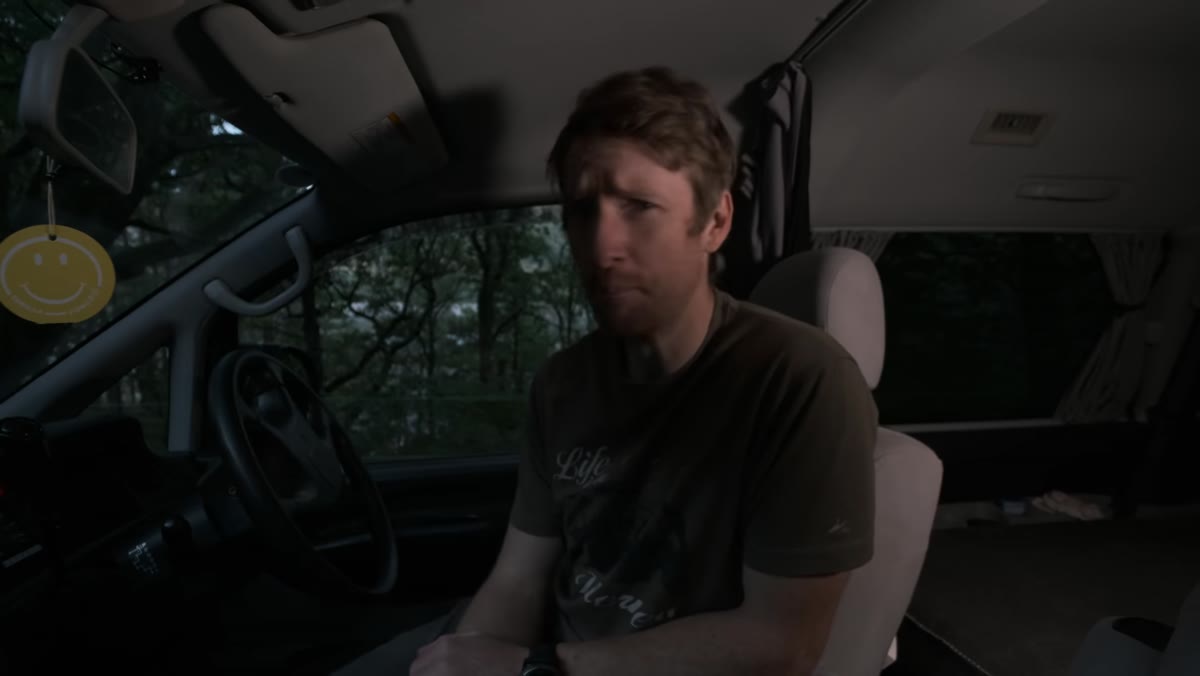
 Van parked behind reservoir in dim evening light
By the time Heaton confirmed the low water levels, the light was gone. He’d missed the shoot for that evening. Rather than drive home and plan a return trip, he made the call to sleep in his van and be ready at first light. This is a decision most photographers hesitate to make because it feels inconvenient. But here’s the trade-off: if you leave and come back, conditions change, water rises, mist burns off, the angle of morning light shifts. Sleeping on location means zero travel lag between decision and execution. Van sleeping, bivvying near a trailhead, or even just setting a 3am alarm so you’re there an hour before sunrise, these are not extreme measures. They’re just what the shot costs sometimes.
Van parked behind reservoir in dim evening light
By the time Heaton confirmed the low water levels, the light was gone. He’d missed the shoot for that evening. Rather than drive home and plan a return trip, he made the call to sleep in his van and be ready at first light. This is a decision most photographers hesitate to make because it feels inconvenient. But here’s the trade-off: if you leave and come back, conditions change, water rises, mist burns off, the angle of morning light shifts. Sleeping on location means zero travel lag between decision and execution. Van sleeping, bivvying near a trailhead, or even just setting a 3am alarm so you’re there an hour before sunrise, these are not extreme measures. They’re just what the shot costs sometimes.
Step 4: Let Prior Knowledge of a Location Work For You
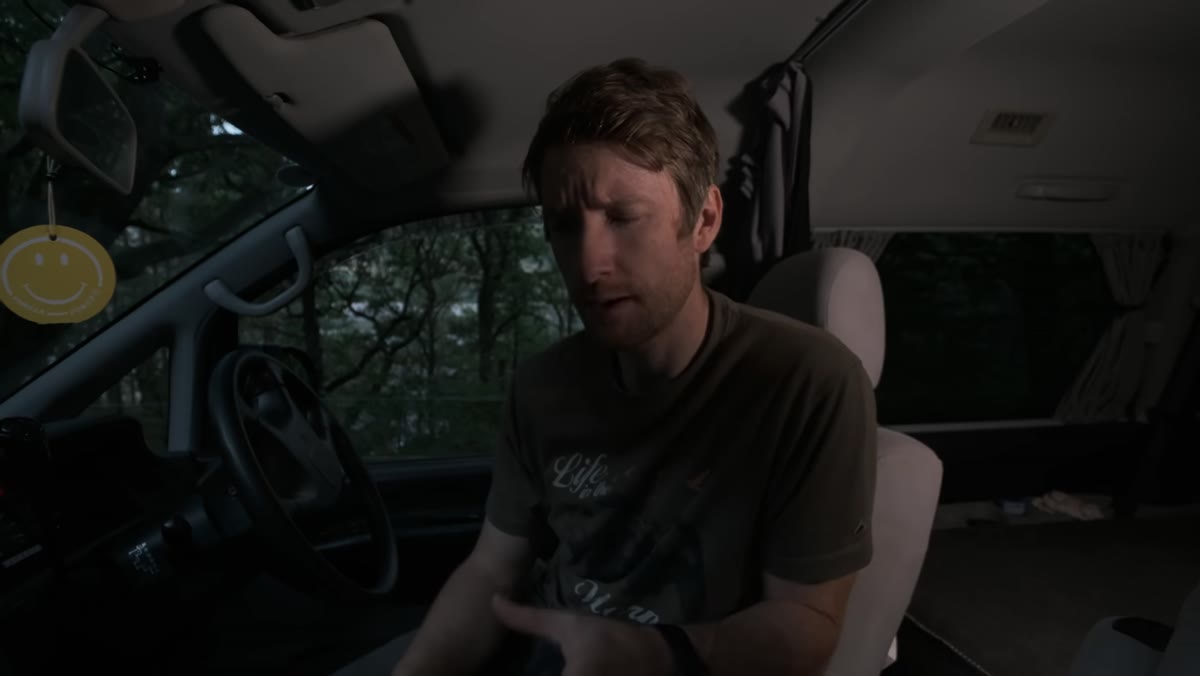 Heaton describing memory of previous shoot at same reservoir
Heaton had shot this reservoir before on film, and he remembered specifically being curious about the islands when the water was higher. That stored memory became immediately useful the moment the conditions changed. This is one of the strongest arguments for returning to the same locations repeatedly rather than always chasing new ones. Each visit deposits something into your mental image bank. When conditions shift, you’re not starting from scratch. You already have a hypothesis about what the place could give you. Keep a simple field journal, even just a notes app on your phone, logging what you noticed, what you wish had been different, and what you’d shoot if conditions X or Y were true. That list becomes a trigger system.
Heaton describing memory of previous shoot at same reservoir
Heaton had shot this reservoir before on film, and he remembered specifically being curious about the islands when the water was higher. That stored memory became immediately useful the moment the conditions changed. This is one of the strongest arguments for returning to the same locations repeatedly rather than always chasing new ones. Each visit deposits something into your mental image bank. When conditions shift, you’re not starting from scratch. You already have a hypothesis about what the place could give you. Keep a simple field journal, even just a notes app on your phone, logging what you noticed, what you wish had been different, and what you’d shoot if conditions X or Y were true. That list becomes a trigger system.
Step 5: Follow the Spike of Creative Energy Immediately
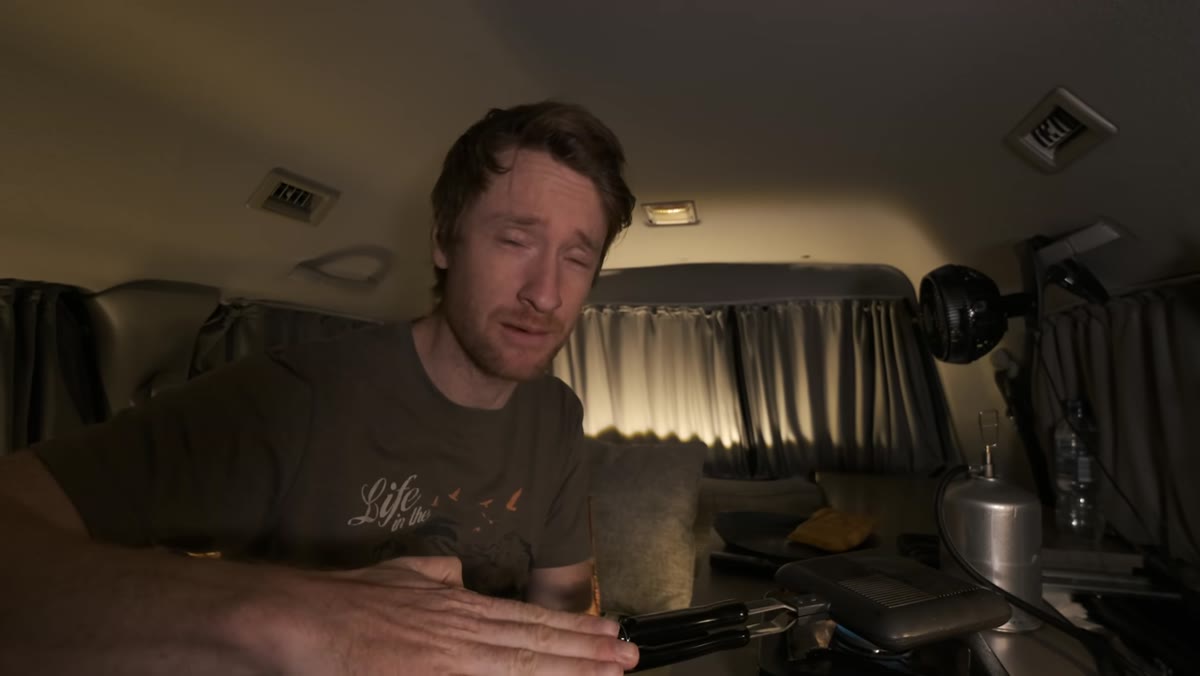 Heaton describing going from low motivation to high excitement
There’s a moment Heaton describes where he went from thinking about going home to feeling flooded with ideas. He pulls off the road, he circles the reservoir, he starts mentally composing. That energy is perishable. Sitting on it, saying “I’ll come back next week,” almost always means you don’t come back, or when you do, the conditions have normalized and the emotional charge is gone. When creative energy spikes in the field, treat it like a weather window. Act on it now. Even if all you do is walk the shoreline and photograph badly in bad light, you’ve established a physical relationship with the place that a Google Maps screenshot never gives you.
Heaton describing going from low motivation to high excitement
There’s a moment Heaton describes where he went from thinking about going home to feeling flooded with ideas. He pulls off the road, he circles the reservoir, he starts mentally composing. That energy is perishable. Sitting on it, saying “I’ll come back next week,” almost always means you don’t come back, or when you do, the conditions have normalized and the emotional charge is gone. When creative energy spikes in the field, treat it like a weather window. Act on it now. Even if all you do is walk the shoreline and photograph badly in bad light, you’ve established a physical relationship with the place that a Google Maps screenshot never gives you.
Step 6: Scout on Foot After the Drone Work
 Wide shot of reservoir with exposed mudflats and islands visible
The drone gives you the overview, but your feet give you the foreground. Once Heaton confirmed the island was accessible, the next move would be walking the approach to understand footing, light angles, and what the close-up textures looked like. Exposed reservoir beds often have cracked mud, submerged tree roots, or tide-line debris that become compelling foreground elements. Scout this in the remaining light, even dim light, so you’re not fumbling for a composition at 5am. Note where the sun will rise relative to the island, decide in advance whether you want it in frame or off to the side, and pick two or three anchor positions before you commit to any one of them.
Wide shot of reservoir with exposed mudflats and islands visible
The drone gives you the overview, but your feet give you the foreground. Once Heaton confirmed the island was accessible, the next move would be walking the approach to understand footing, light angles, and what the close-up textures looked like. Exposed reservoir beds often have cracked mud, submerged tree roots, or tide-line debris that become compelling foreground elements. Scout this in the remaining light, even dim light, so you’re not fumbling for a composition at 5am. Note where the sun will rise relative to the island, decide in advance whether you want it in frame or off to the side, and pick two or three anchor positions before you commit to any one of them.
What I’d Add From My Own Experience
Heaton’s instinct to follow the unexpected is one I’ve had to practice deliberately. My natural tendency, especially after a long drive, is to stick to the plan I made at home at a desk looking at maps. That plan is made by someone comfortable and rational. The photographer standing next to the reservoir with low water and morning light incoming is working with entirely different information.
A mentor of mine used to say that the mountain doesn’t care about your schedule. I’ve tried to apply that same neutrality to my own plans. They’re starting points, not contracts. The best frame I ever printed came from two full days of sitting in fog at a location I’d driven six hours to reach. I almost left both mornings. On day two, the fog broke for eleven minutes. That’s the image.
The real skill Heaton demonstrates here is not technical. It’s the practiced ability to stay receptive, to not dismiss a location because it wasn’t in the plan, and to convert surprise into momentum rather than confusion. Most of us, myself included, have driven past exactly the shot we were looking for because we were too fixed on where we were going.
The single most important takeaway from this tutorial is this: your best location is often the one you almost didn’t stop for. Stay loose enough to pull over.
Watch the full tutorial on YouTube to follow Heaton through the full overnight stay and the morning shoot on the island.
Comments
Leave a Comment