What Three Lenses Actually Cover: A Working Photographer's Breakdown of Focal Length Strategy for Landscapes

What Three Lenses Actually Cover: A Working Photographer's Breakdown of Focal Length Strategy for Landscapes

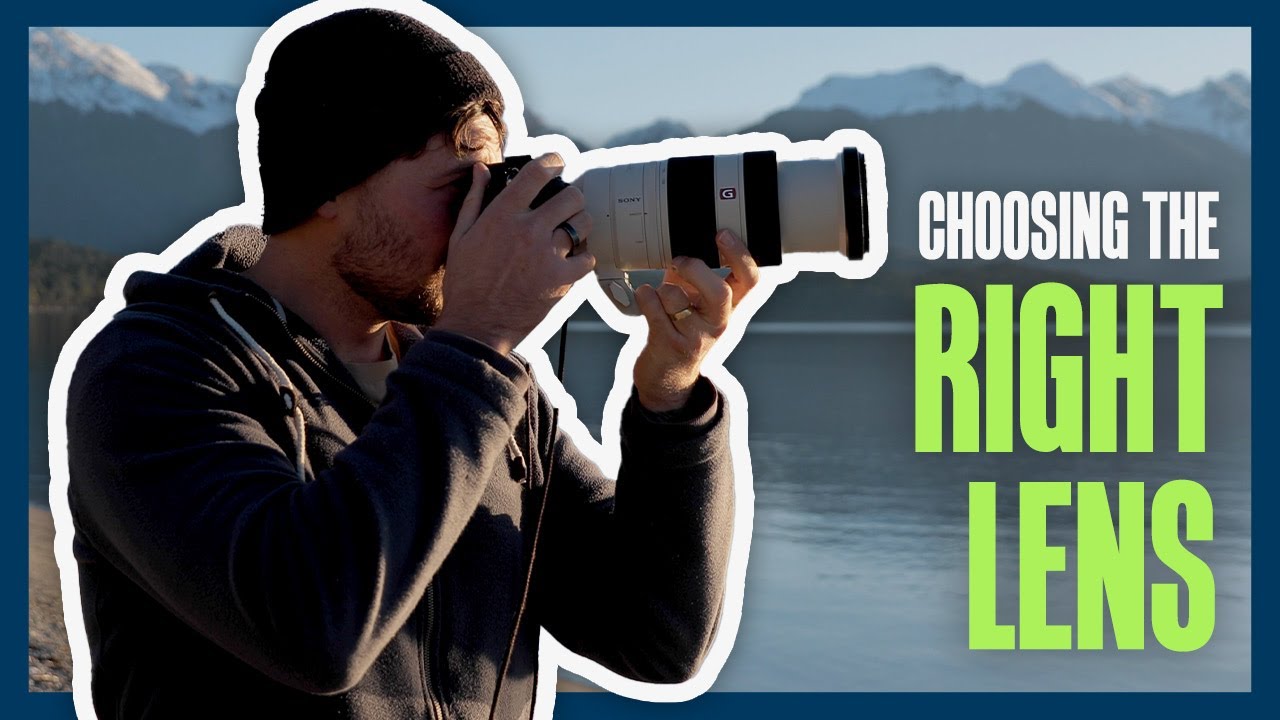
There’s a question I hear at every workshop I run out of Bend, and I’d bet it’s the same question landing in every landscape photographer’s inbox right now: what lens should I be shooting with? I used to give a short answer. After twenty years of early mornings and hard miles with a pack on my back, I’ve learned that the short answer is almost always wrong. The better question is whether your lens kit is limiting the images you can see before you even raise the camera.
Why Your Panoramas Look Wrong (And How I Fixed Mine After Years of Doing It Badly)

Why Your Panoramas Look Wrong (And How I Fixed Mine After Years of Doing It Badly)

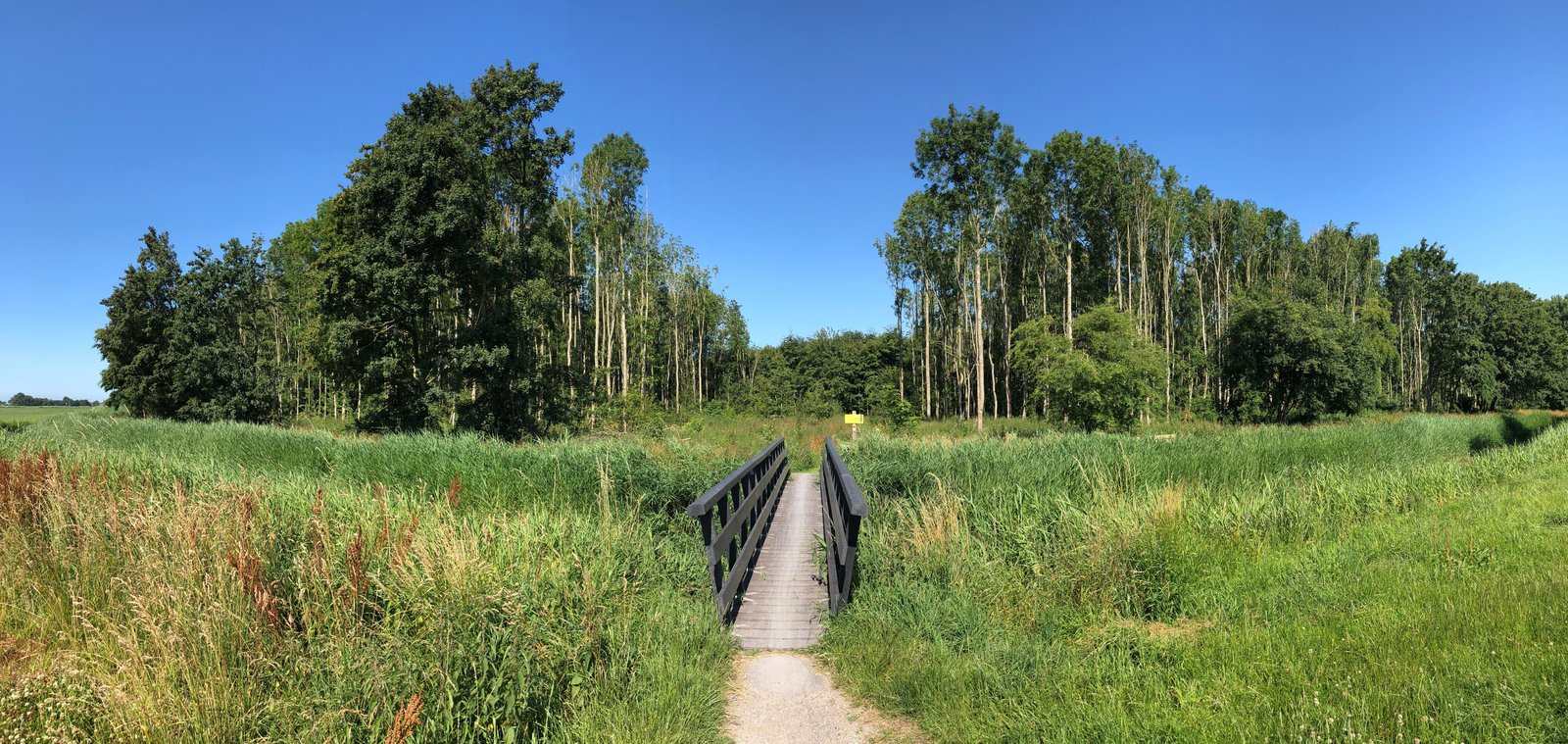
There’s a ridgeline outside of Bend that faces east, and on clear mornings in October the light comes in so low and golden that the juniper trees throw shadows fifty feet long. The scene is too wide for any single frame. Even my 14mm lens can’t hold it. The first time I shot a panorama there, I came home, loaded the files into Lightroom, and watched the software choke on a set of images that almost, but not quite, lined up.

Go Wide or Go Long: What Mark Denney's Minimalist Kit Taught Me About Carrying Less

Go Wide or Go Long: What Mark Denney's Minimalist Kit Taught Me About Carrying Less

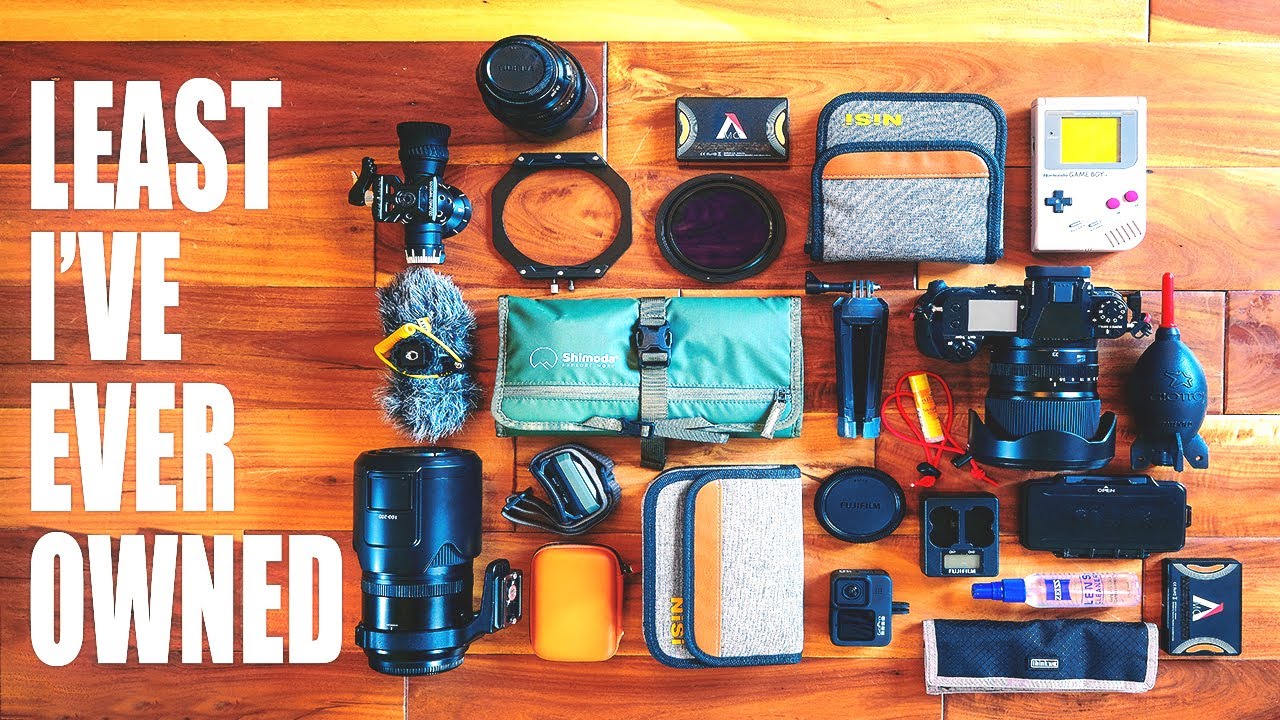
Every August, I spread everything I own onto my studio floor and ask myself the same question: what can I leave behind? After two decades of hauling gear up ridgelines and into cold Oregon rivers before the sun comes up, I’ve learned that a heavy bag isn’t a sign of preparedness. It’s usually a sign of indecision. The photographers I respect most carry less than you’d expect. That’s why I kept coming back to this particular gear rundown from Mark Denney.

High-Resolution Landscape Cameras Put to the Test: What Actually Matters in the Field

High-Resolution Landscape Cameras Put to the Test: What Actually Matters in the Field

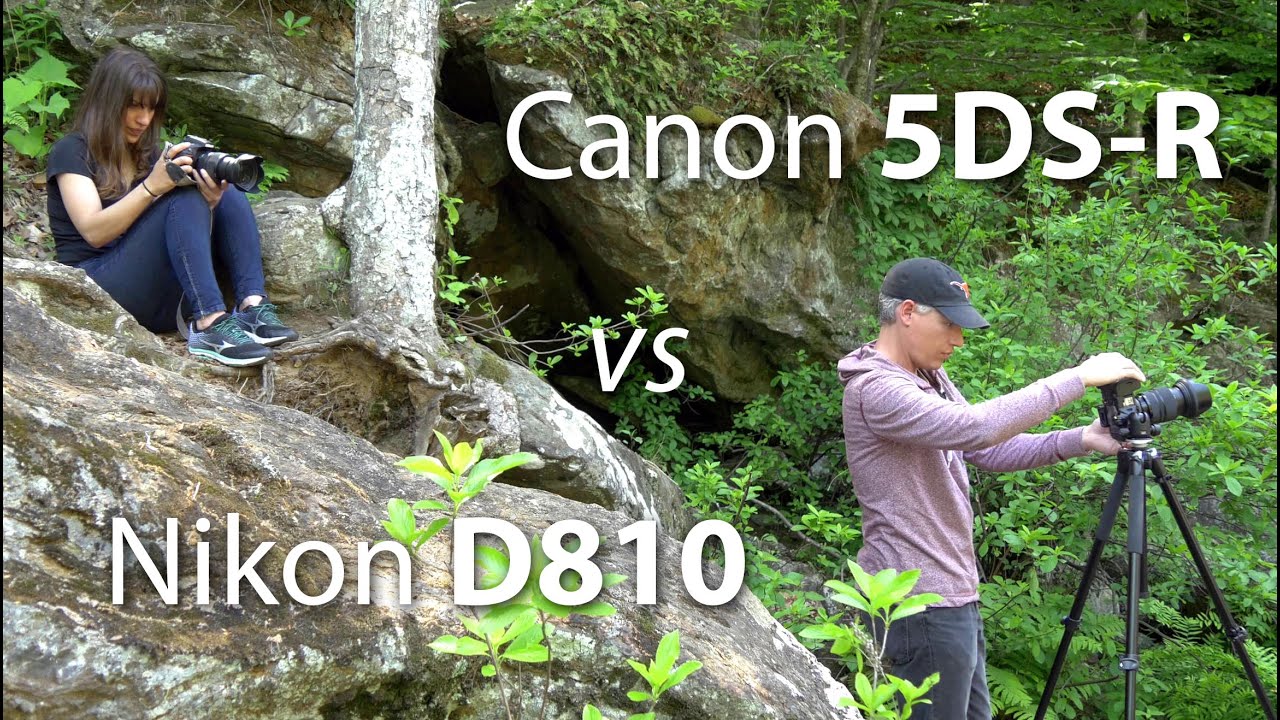
Every few years a new camera comes along promising to change everything, and every few years I find myself standing in the dark at some ungodly hour asking the same question I always do: will this actually help me make a better picture? When the Canon 5DS R landed with its 50-megapixel sensor, that question felt louder than usual. The pixel count was hard to ignore. But so was the skepticism.

Fishing for Light: Field Techniques from a Fiordland Sunrise (William Patino)

Fishing for Light: Field Techniques from a Fiordland Sunrise (William Patino)

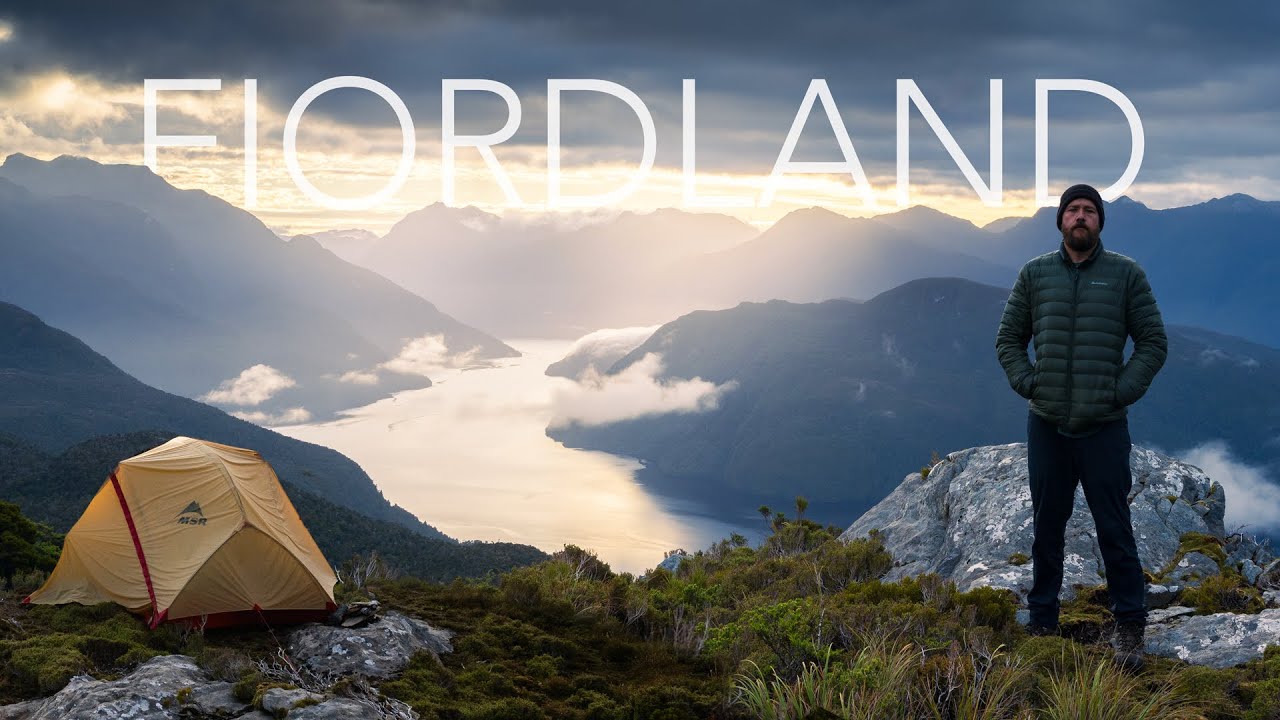
There’s a version of this job that looks glamorous from the outside. Golden hour, dramatic peaks, camera pointed at something magnificent. What that picture leaves out is the morning you drove three hours in the dark, hiked another ninety minutes in the cold, and watched a wall of grey cloud swallow every last bit of light before sunrise even began. I’ve had more of those mornings than I can count. Twenty years in, I still have them regularly.

Why Your Waterfall Photos Look Wrong (And What the Water Is Actually Telling You)

Why Your Waterfall Photos Look Wrong (And What the Water Is Actually Telling You)

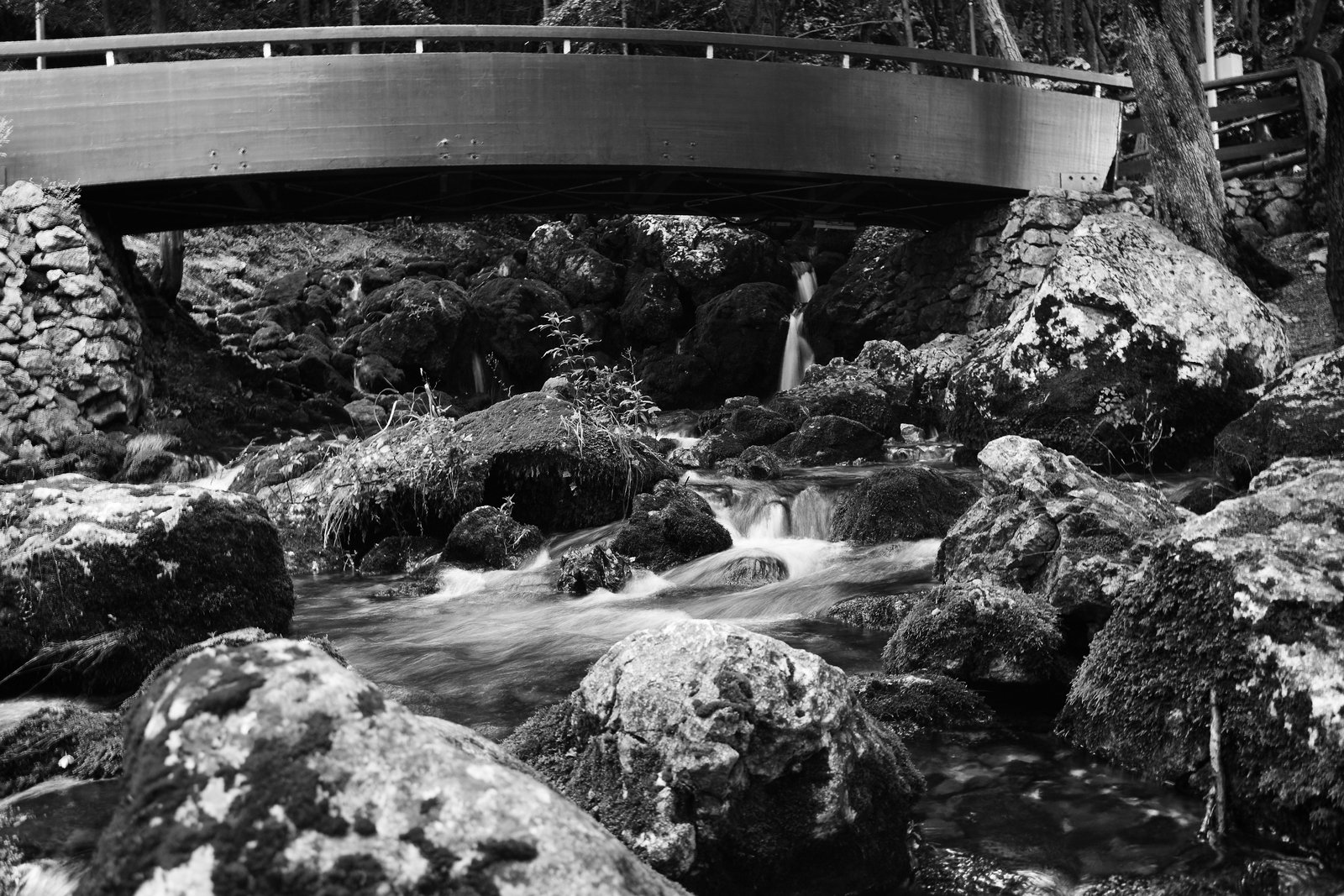
There’s a particular kind of quiet that settles over a waterfall at first light, before anyone else has made it down the trail. I’ve been standing in that quiet for twenty years, and I still get it wrong sometimes. Not catastrophically wrong, but wrong in the way that matters: technically competent, emotionally flat. The water rendered as a smooth, silky ribbon, the kind of image you’ve seen a thousand times, pleasantly executed and completely forgettable.

Why Every Serious Landscape Photographer Should Attend at Least One Workshop

Why Every Serious Landscape Photographer Should Attend at Least One Workshop

There’s a particular kind of rut that sneaks up on you quietly. You stop setting the alarm. You tell yourself the light won’t be good anyway. The camera sits on the shelf for two weeks, then a month. I’ve been shooting landscapes full-time for two decades, and I still fall into it. The antidote, more often than not, isn’t a new lens or a better editing preset. It’s other people who care as much as you do.

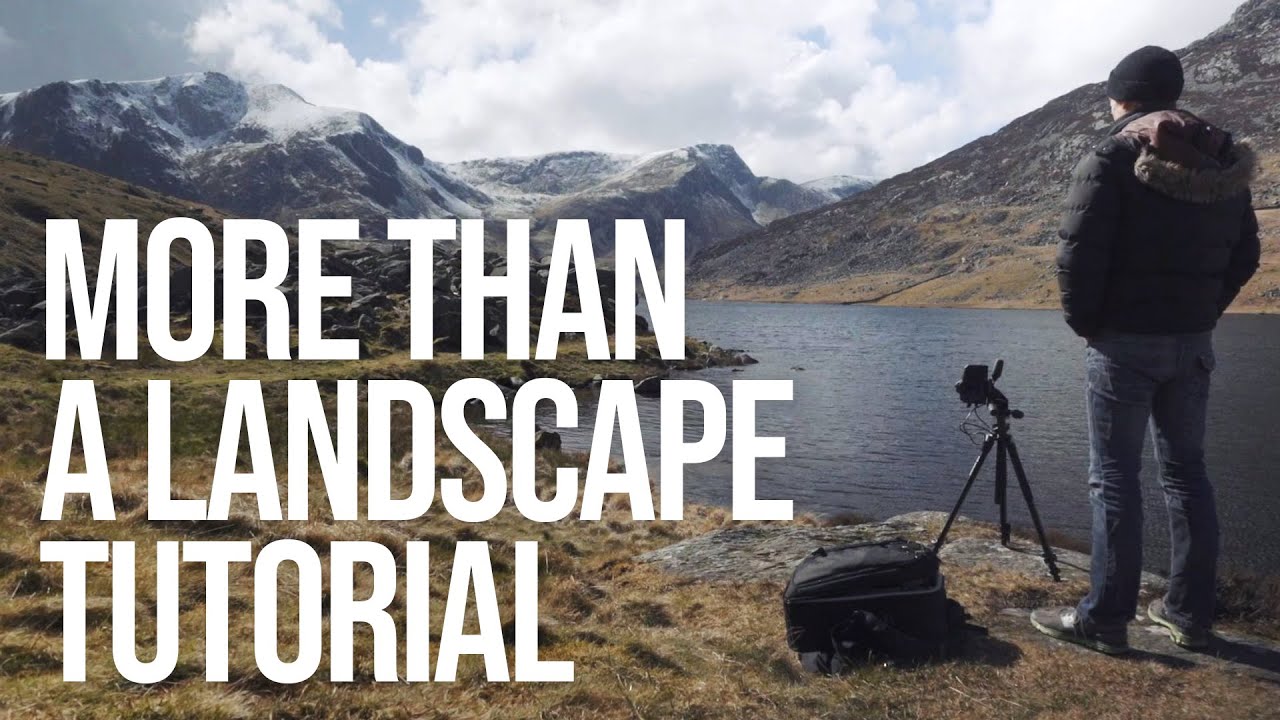
Getting Off Autopilot: What Sean Tucker's Snowdonia Trip Taught Me About Shooting Landscapes Again

Getting Off Autopilot: What Sean Tucker's Snowdonia Trip Taught Me About Shooting Landscapes Again

There’s a specific kind of professional rut that doesn’t look like a rut from the outside. Your work is consistent. Clients are happy. You hit your marks. But somewhere in the middle of a shoot, you realize you haven’t made a single conscious decision in the last twenty minutes. You’ve just been executing muscle memory. I know this feeling well. After two decades shooting landscapes full-time out of Bend, I’ve caught myself standing at a location I’ve visited fifty times, framing the same shot, waiting for the same light, and calling it a day.

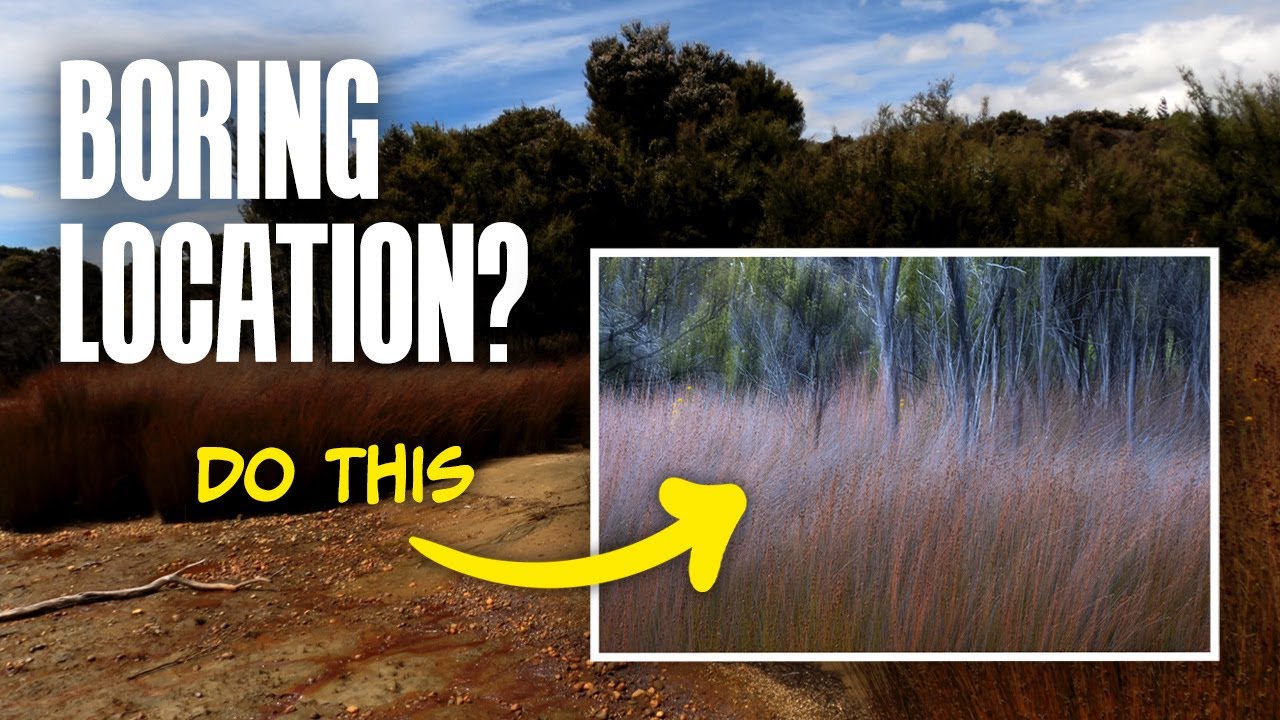
Shooting Intimate Landscapes in Brutal Midday Light: Lessons from the Field

Shooting Intimate Landscapes in Brutal Midday Light: Lessons from the Field

Most of my best work has happened in terrible conditions. Not terrible in the dramatic, stormy-sky sense - terrible in the flat, overhead, “why did I even drive here” sense. Harsh midday light is the condition that separates photographers who go home empty-handed from those who pivot and come back with something worth keeping. Over twenty years of working landscapes full-time, I’ve learned that the grand vista is only one tool in the kit.

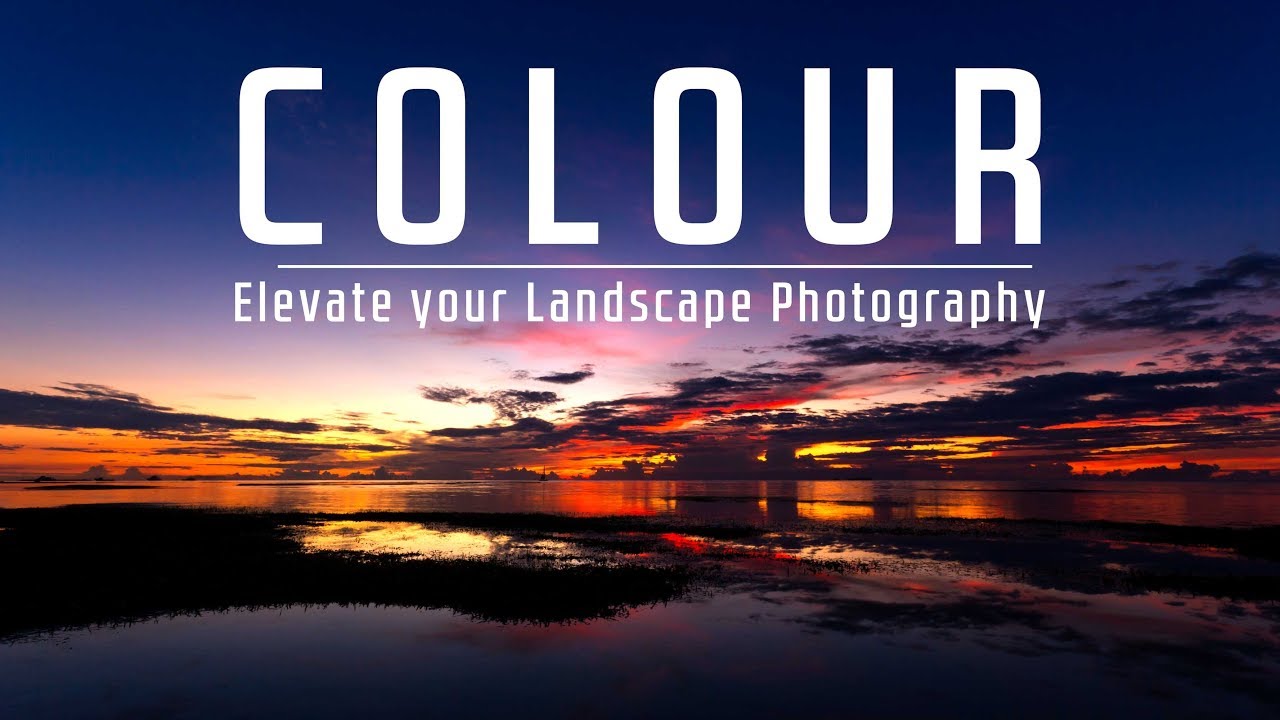
Color Is a Decision, Not an Accident: How to Use It Intentionally in Landscape Photography

Color Is a Decision, Not an Accident: How to Use It Intentionally in Landscape Photography

Color used to be something I reacted to. I’d get home, open Lightroom, and start pushing sliders around until the image “felt right.” Sometimes it worked. More often I was just guessing, hoping the oranges would pop or the blues would settle without blowing the whole thing out. Twenty years of doing this for a living will eventually teach you that hoping isn’t a strategy. What changed for me was learning to treat color as a deliberate choice made before I ever leave the house — not a correction made after the fact.

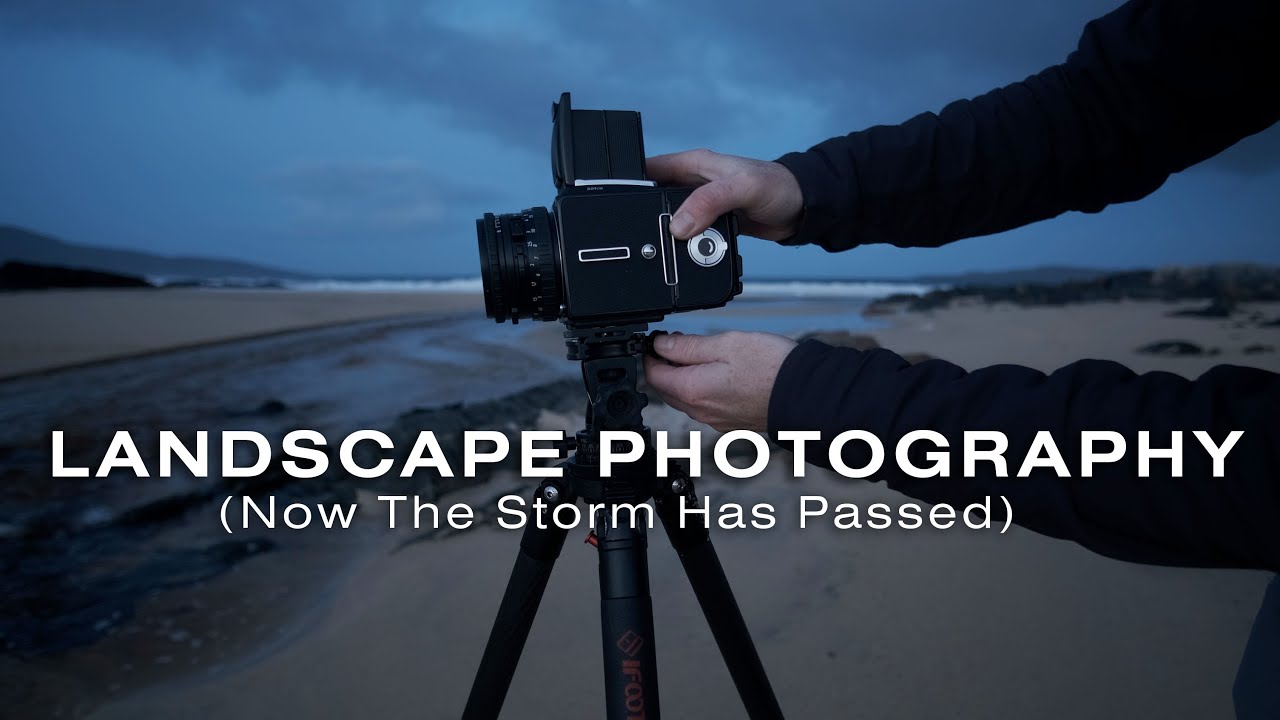
Field Notes from the Isle of Harris: What Thomas Heaton's Film Shoot Teaches Every Landscape Photographer

Field Notes from the Isle of Harris: What Thomas Heaton's Film Shoot Teaches Every Landscape Photographer

There’s a particular kind of morning I live for. No wind. No rain hammering the roof. Just silence and the knowledge that the light is going to do something worth standing in a cold river for. I’ve had maybe a hundred mornings like that in twenty years of doing this professionally, and I still feel a small jolt of adrenaline every time. That’s exactly the energy that pulls me into Watch the full tutorial on YouTube — Thomas Heaton’s landscape photography shoot on the Isle of Harris, filmed during a road trip across Scotland where he ditched his digital kit and shot entirely on film.

Light Like Another Planet: What Shooting the Bolivian Altiplano Teaches You About Harsh Midday Light

Light Like Another Planet: What Shooting the Bolivian Altiplano Teaches You About Harsh Midday Light

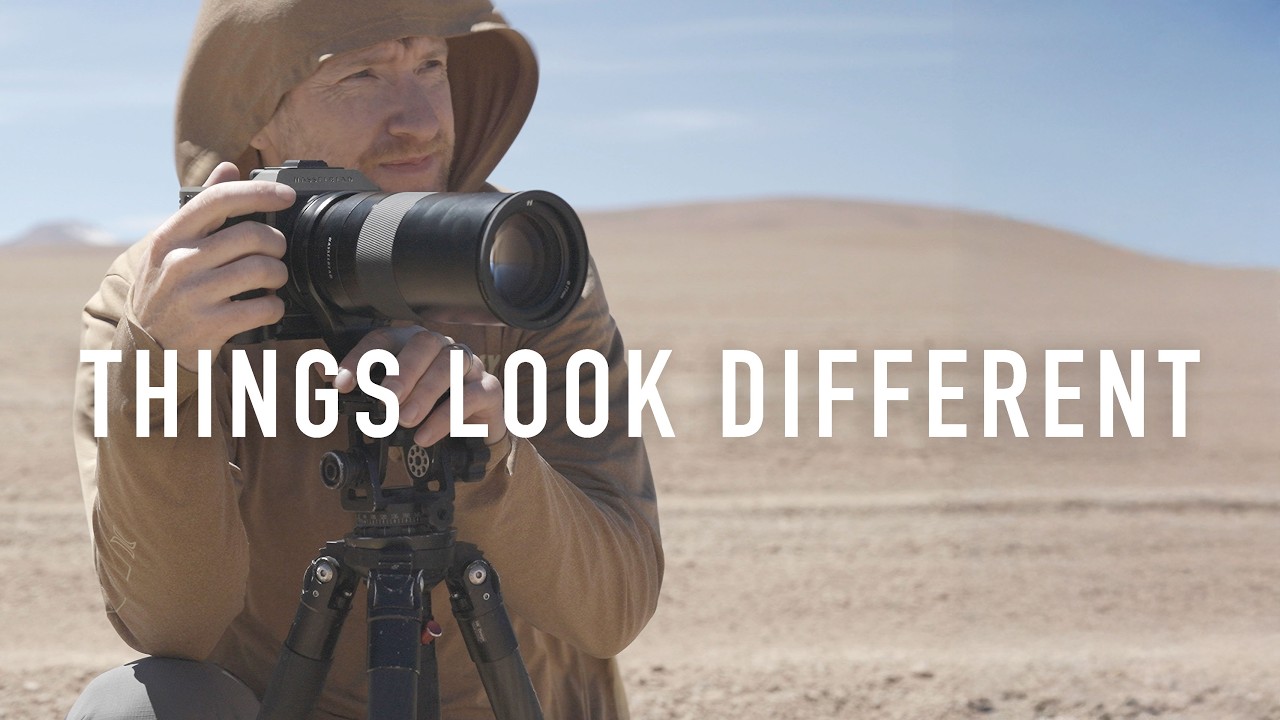
There’s a particular frustration I know well from twenty years of chasing landscapes: you arrive somewhere extraordinary, your chest tightens at the view, you’re certain there’s a great image waiting, and then you spend two hours proving yourself wrong. The scene is right there. The light is doing something unusual. And yet nothing you try in the viewfinder holds together. That gap between what your eyes see and what the frame captures is one of the most humbling parts of this work, and closing it is a skill that never stops requiring attention.