What Fiordland Teaches You About Finding a Frame (And Why I Keep Coming Back to These Lessons)

What Fiordland Teaches You About Finding a Frame (And Why I Keep Coming Back to These Lessons)

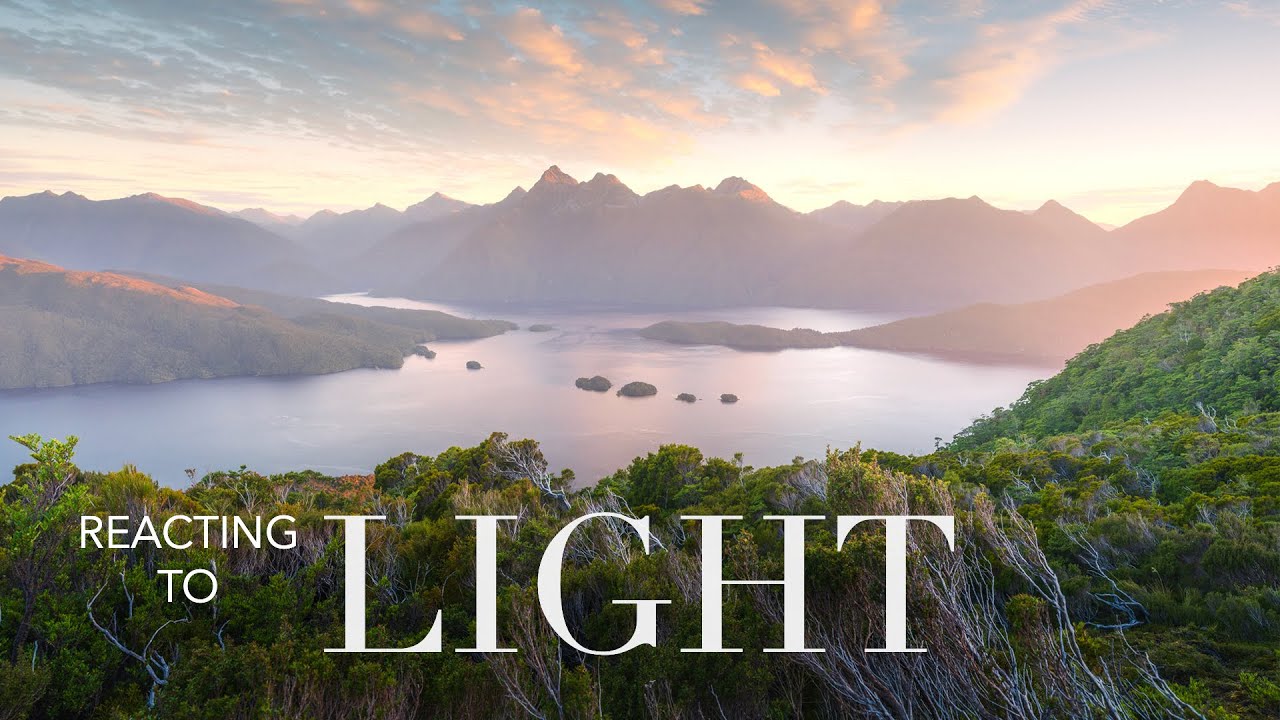
There’s a particular kind of location that makes you feel like you’re cheating. Somewhere so visually loaded that you almost don’t deserve the shot. New Zealand’s Fiordland is that place for a lot of us, and I’ve spent enough time chasing similar terrain in the Pacific Northwest to know that raw beauty is actually the hardest thing to work with. Too many options will freeze you. The mountain is stunning but the foreground is a mess.

Beyond the Rose: Finding Extraordinary Beauty in Overlooked Flora

Beyond the Rose: Finding Extraordinary Beauty in Overlooked Flora

The Misconception About Floral Photography When I first started exploring nature photography seriously, I assumed flower photography would be my easiest entry point. After all, the subject matter arrives pre-packaged with inherent beauty. Unlike wildlife that bolts at your approach or landscapes that demand perfect timing with weather and light, flowers simply exist—stationary, obliging, already gorgeous. What could possibly be difficult about that? I’ve since learned how wrong that assumption was.

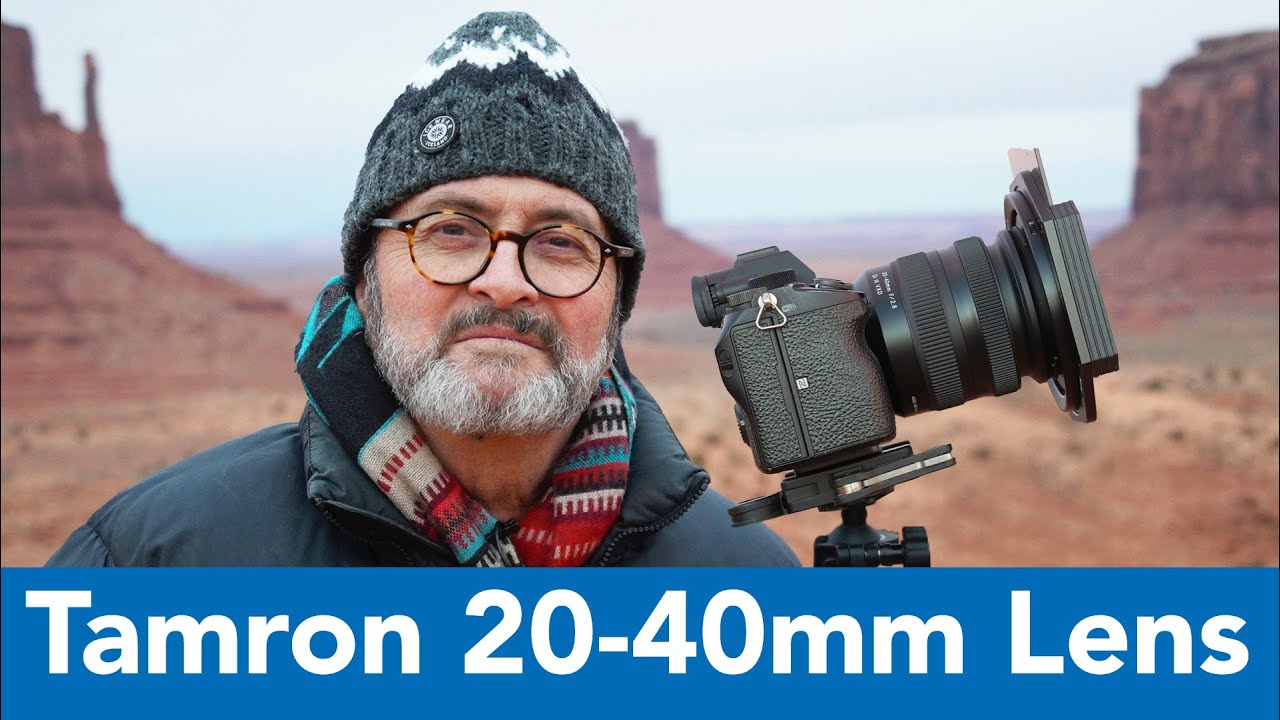
The 20-40mm Lens I Didn't Know I Needed: A Field Breakdown for Landscape Photographers

The 20-40mm Lens I Didn't Know I Needed: A Field Breakdown for Landscape Photographers

There’s a specific kind of frustration I know well: standing at the edge of a vast landscape at first light, knowing that my 24-70mm is just a touch too long at the wide end to pull everything in, but also knowing I’d left my 16-35mm at home because I didn’t want to carry two zoom lenses up a trail in the dark. Gear decisions made the night before always feel different at 4am when the light is doing something extraordinary and you’re one focal length short.

How to Breathe Light and Life into a Flat Landscape in Lightroom

How to Breathe Light and Life into a Flat Landscape in Lightroom

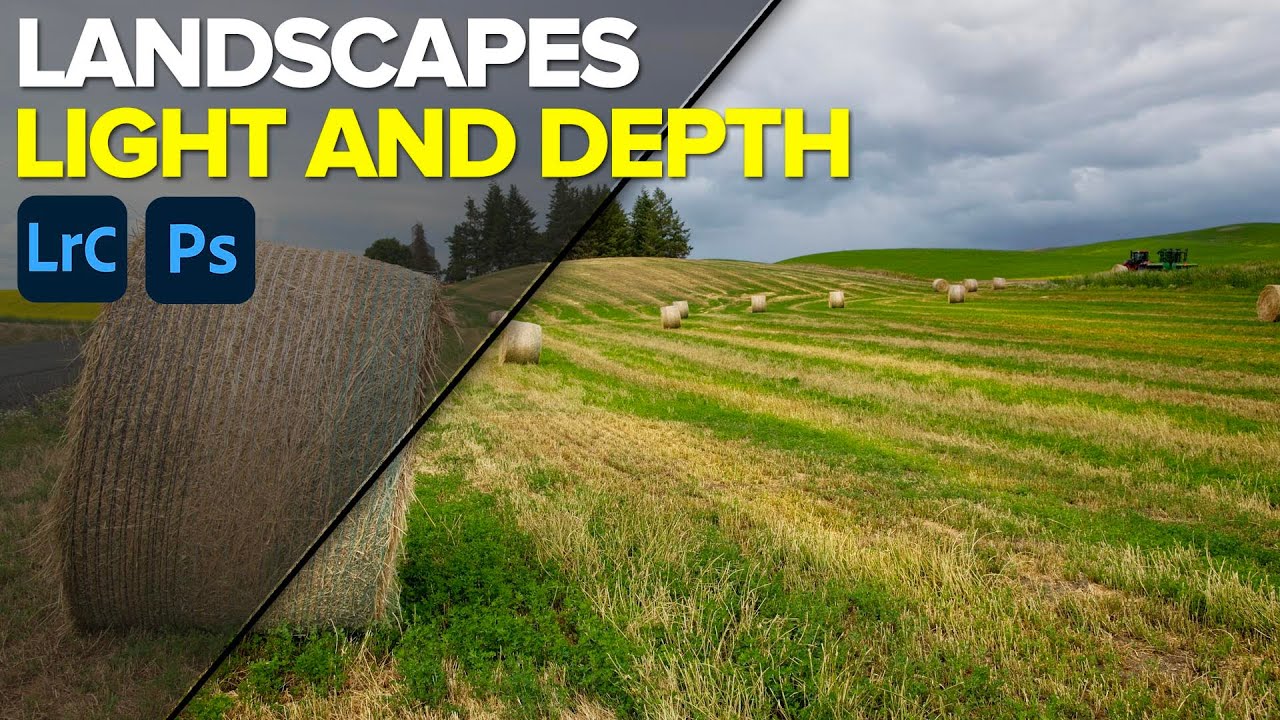
There’s a particular kind of landscape photo that stops me cold when I’m culling: technically solid, well-exposed, nothing obviously wrong with it, but somehow flat. No entry point for the eye. No sense that the light was alive when the shutter fired. I’ve taken thousands of them, and I’ve learned that the difference between that photo and a great one is almost never what happened in the field. It’s what happens in post, specifically how deliberately you push light and shadow into the places the camera failed to see.

Don't Find Your Composition Until the Light Gets Good — A Mountain Sunset Strategy

Don't Find Your Composition Until the Light Gets Good — A Mountain Sunset Strategy

There’s a particular kind of panic that hits when you’re standing in front of something magnificent and you know the light is about to go. I’ve felt it hundreds of times over twenty years of doing this work. Your hands move faster than your brain, you grab a composition that feels safe, and you fire off fifty nearly identical frames. You drive home thinking you nailed it. You open the files and feel that slow deflation.

What Blind Photo Critiques Taught Me About the Mistakes I Stop Seeing

What Blind Photo Critiques Taught Me About the Mistakes I Stop Seeing

I’ve been shooting landscapes full-time for twenty years, and somewhere in that time I stopped seeing certain problems in my own work. Not because I got better at everything, but because I got comfortable. Comfortable with my compositions, comfortable with my processing habits, comfortable with the story I tell myself about why an image works. That comfort is dangerous. A few weeks ago I was going through a folder of shots from a high desert shoot outside Bend and I kept approving images that, in the back of my mind, I knew weren’t quite right.

Stop Leaving Sunset Color to Chance: A Weather Forecasting System for Landscape Photographers

Stop Leaving Sunset Color to Chance: A Weather Forecasting System for Landscape Photographers

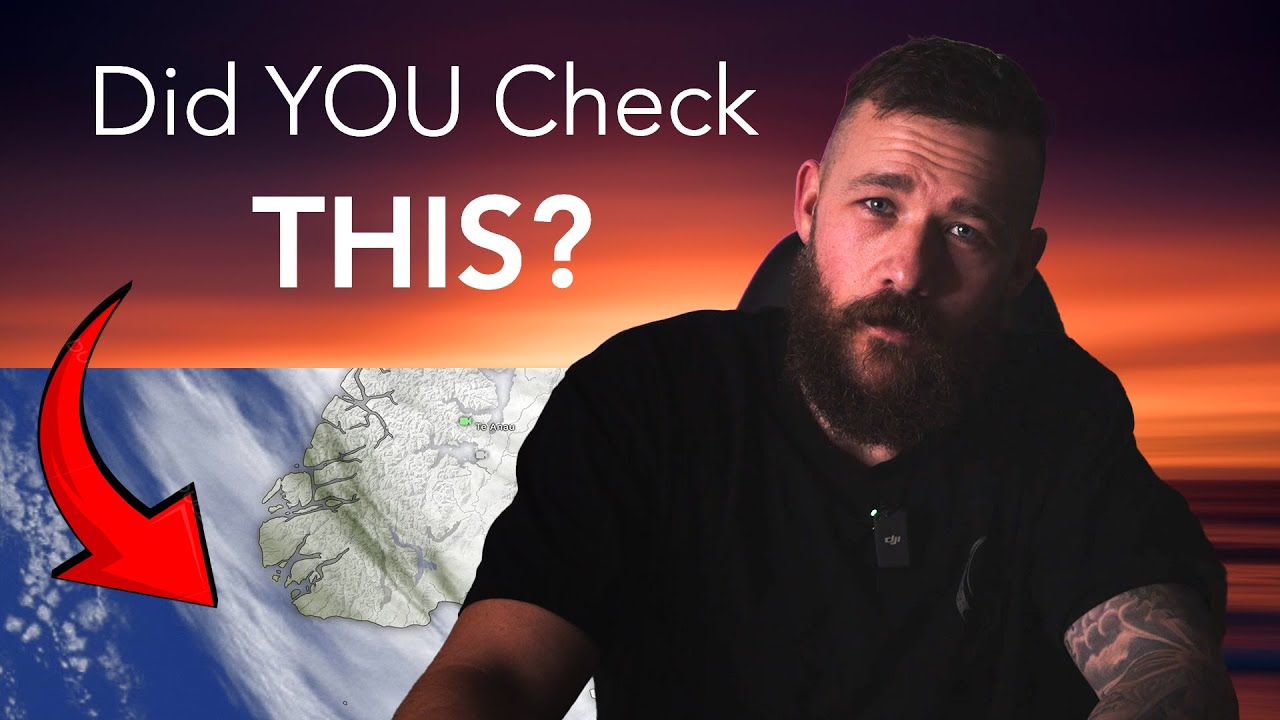
There’s a comment I’ve heard more times than I can count, standing next to someone at a trailhead while I’m packing up my gear after a good shoot. “You were just in the right place at the right time.” I smile, nod, and move on. But the truth is, I was at that location because I’d spent two hours the night before studying satellite loops and cloud-layer maps, then woke up before 4am to drive there in the dark.

Why I Started Shooting Landscapes Wide Open (And What It Taught Me About Seeing)

Why I Started Shooting Landscapes Wide Open (And What It Taught Me About Seeing)

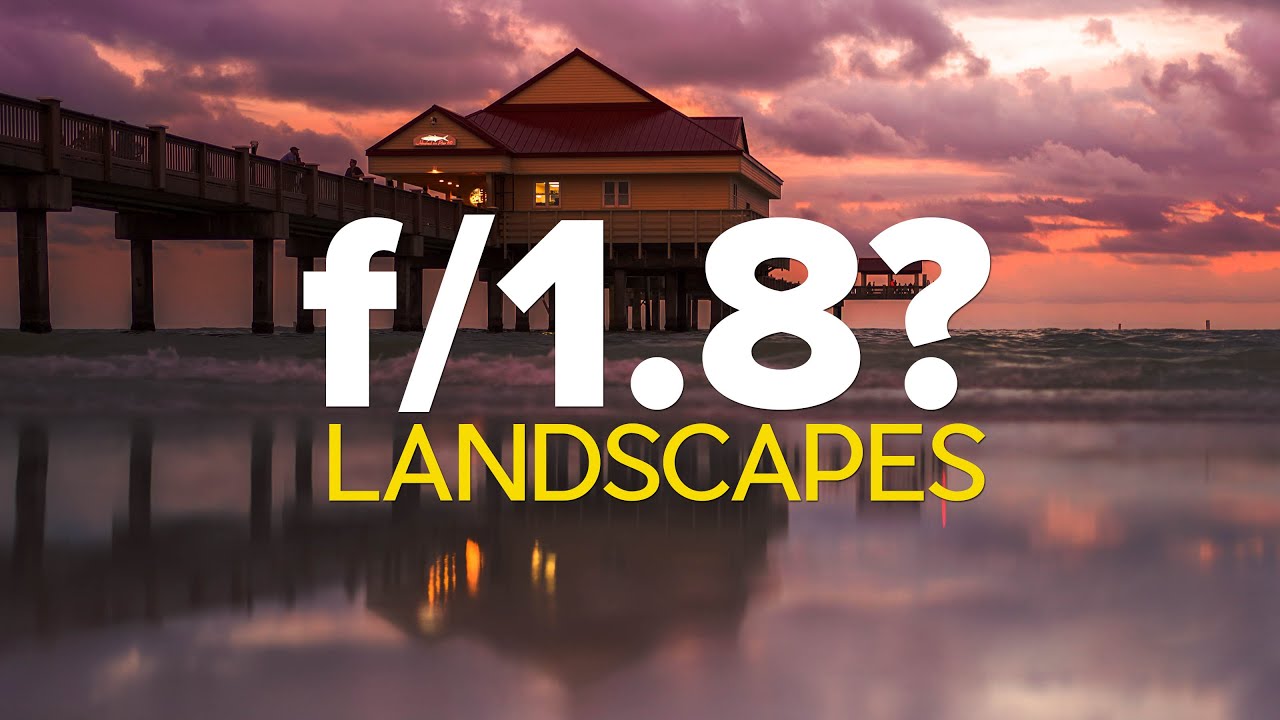
I have spent the better part of twenty years defaulting to f/16. It is practically muscle memory at this point. Alarm goes off before four, I pull on my hat, grab the bag, and by the time I am standing in front of whatever scene made me drive out there, my hand is already reaching for that small aperture. Maximum depth of field, front to back sharpness, everything in focus. That has been my religion for a long time.

The One Thing Missing From Your Landscape Photography (And It's Not What You Think)

The One Thing Missing From Your Landscape Photography (And It's Not What You Think)

There’s a particular kind of stillness that settles in when you haven’t picked up your camera in weeks. Not the good kind, the meditative pre-dawn quiet I’ve chased across central Oregon for two decades. The other kind. The kind where the bag sits in the corner and you walk past it without feeling much of anything. I’ve been there more times than I’d like to admit, and I’ve watched students hit that same wall in my workshops, often blaming their gear or their location or the weather.

The Stolen Hour Principle: What Unplanned Shoots Teach You About Seeing

The Stolen Hour Principle: What Unplanned Shoots Teach You About Seeing

There’s a version of landscape photography that lives entirely in spreadsheets. Planned shoots, researched locations, golden hour alarm clocks, weather apps checked three times a day. I know that version well. I’ve been living it for twenty years, and it produces results. But it can also calcify your vision if you let it. You start confusing preparation with seeing, and those are two very different skills. Watch the full tutorial on YouTube

The Orton Effect Explained: How I Add Soft, Dreamy Glow to My Landscape Photos

The Orton Effect Explained: How I Add Soft, Dreamy Glow to My Landscape Photos

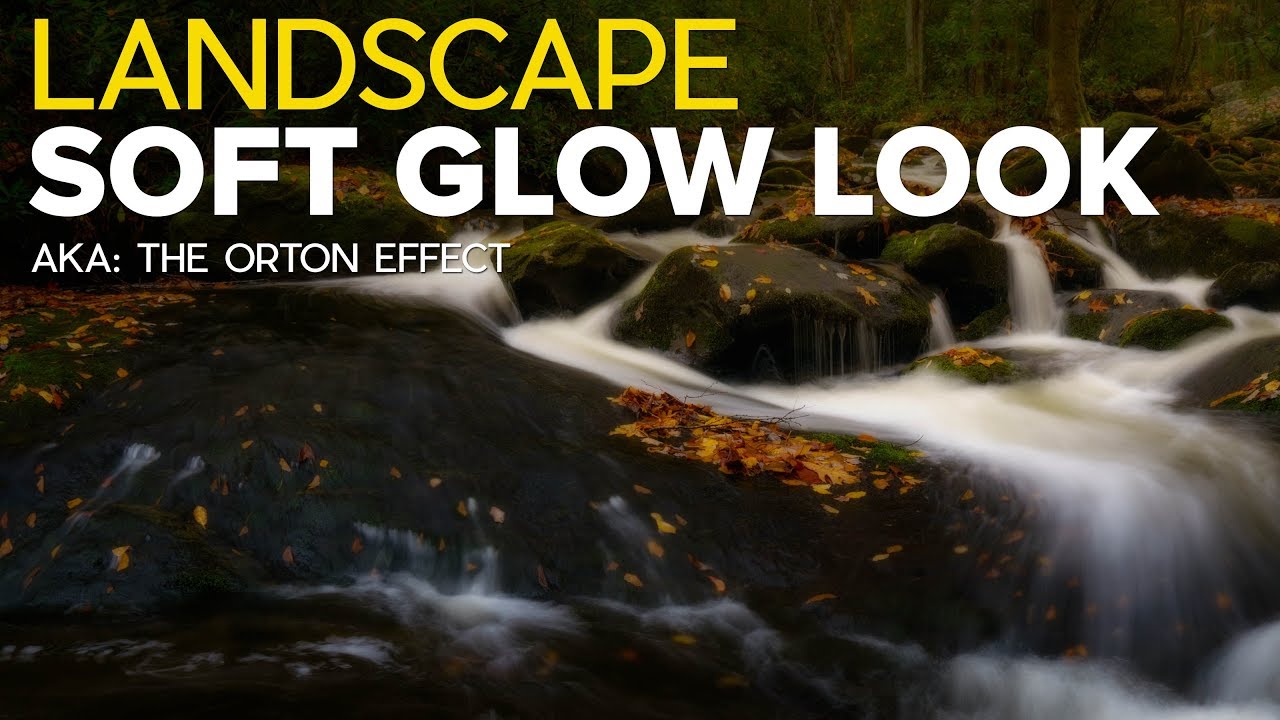
There is a quality of light I chase constantly out here in the high desert around Bend. It happens maybe a dozen mornings a year, when the atmosphere is thick enough to scatter the first rays but thin enough to still let color through. Everything glows from the inside. The trees, the ridgelines, the frost on the grass. I have been trying to recreate that feeling in post-processing for two decades, with mixed results.

Snow, Trees, and the Art of Seeing Less: Lessons from a New Zealand Forest Shoot

Snow, Trees, and the Art of Seeing Less: Lessons from a New Zealand Forest Shoot

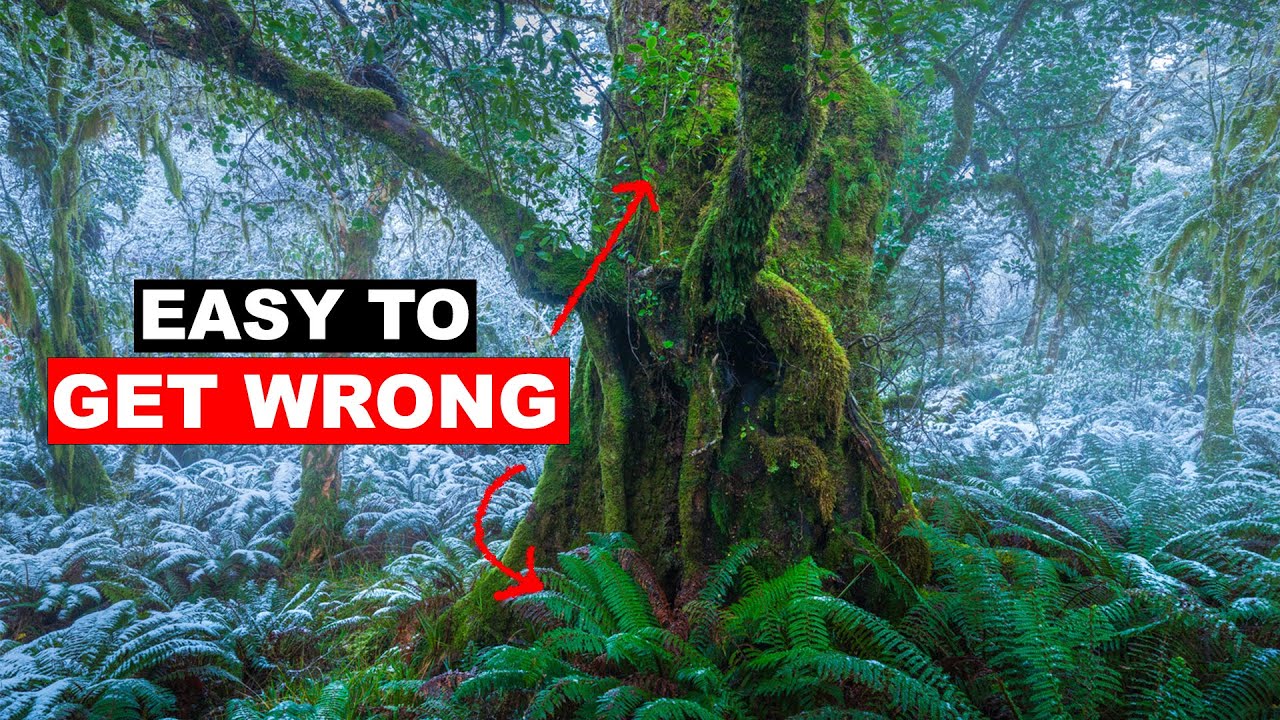
Forest photography has humbled me more times than I care to admit. I’ve stood in old-growth stands in the Pacific Northwest, light filtering through fir canopies like something out of a painting, and still come home with a card full of images that felt cluttered, directionless, and flat. The trees are beautiful. The camera doesn’t always agree. Add a dusting of snow to that equation and the compositional challenges multiply fast.