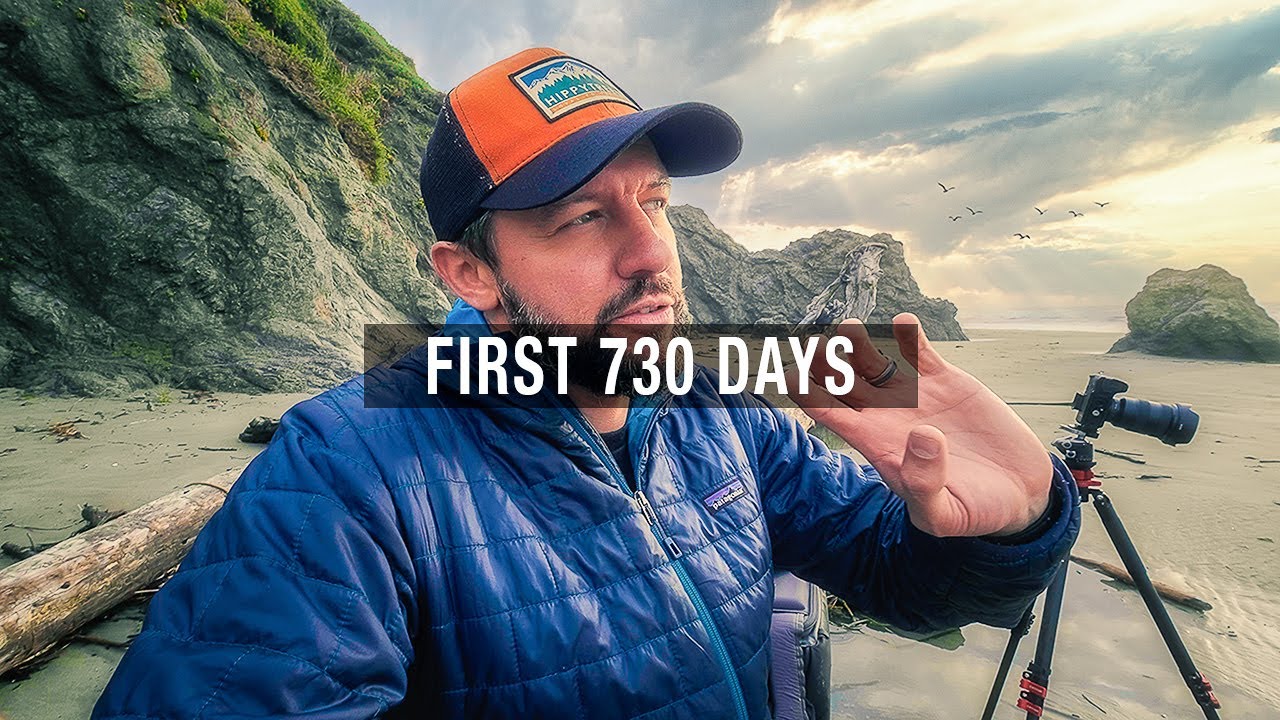
I’ve been doing this for twenty years. I still remember the specific moment I realized that loving landscape photography and building a living from it were two entirely different skills. I was standing in the Deschutes River at five in the morning, boots full of water, certain I had found the shot - and somewhere in the back of my mind was the quiet, uncomfortable question: how does any of this actually translate into income? That question followed me for years before I pieced together a real answer.
So when a photographer I respect as much as Mark Denney sits down and lays out exactly what worked and what didn’t across his first two years of full-time landscape work, I pay attention. In this Mark Denney tutorial, he walks through the specific revenue streams, mindset shifts, and hard lessons that carried him from a 17-year corporate career into sustainable work as a landscape photographer. Watch the full tutorial on YouTube - but if you want the framework mapped out with context from someone who’s lived a version of this, keep reading.
The structure he uses is a nautical metaphor: the boat, the oars, and the anchor. It sounds simple. It’s actually a precise way to separate what holds your business up, what moves it forward, and what drags it down. Here’s how each piece works in practice.
Step 1: Build the Boat - Your Website as Foundation
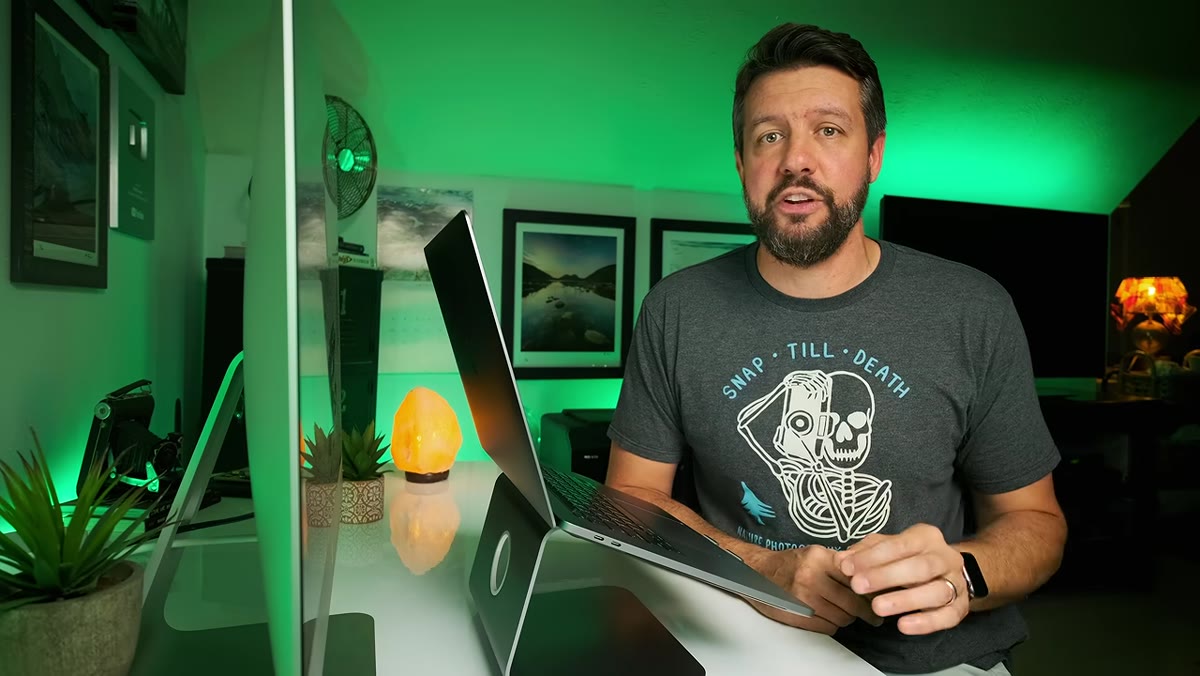 Mark discussing the importance of building a website first
The boat is your foundation. Mark is direct about something that took him longer than it should have to internalize: a website is not a portfolio decoration. It is the operational center of your business. Early on, he treated his site as an afterthought, something to polish later. That instinct costs photographers real time and real money.
Mark discussing the importance of building a website first
The boat is your foundation. Mark is direct about something that took him longer than it should have to internalize: a website is not a portfolio decoration. It is the operational center of your business. Early on, he treated his site as an afterthought, something to polish later. That instinct costs photographers real time and real money.
Your website is the only platform you own. Social media accounts get throttled, algorithms shift, and audiences you built can evaporate. Your site doesn’t. Every piece of content you produce, every print you sell, every workshop you announce, should route through a home base that you control. If you don’t have one that loads fast, looks clean on mobile, and has a clear path to a purchase or inquiry, that’s the first thing to fix before anything else in this list matters.
Step 2: Reframe the Core Question
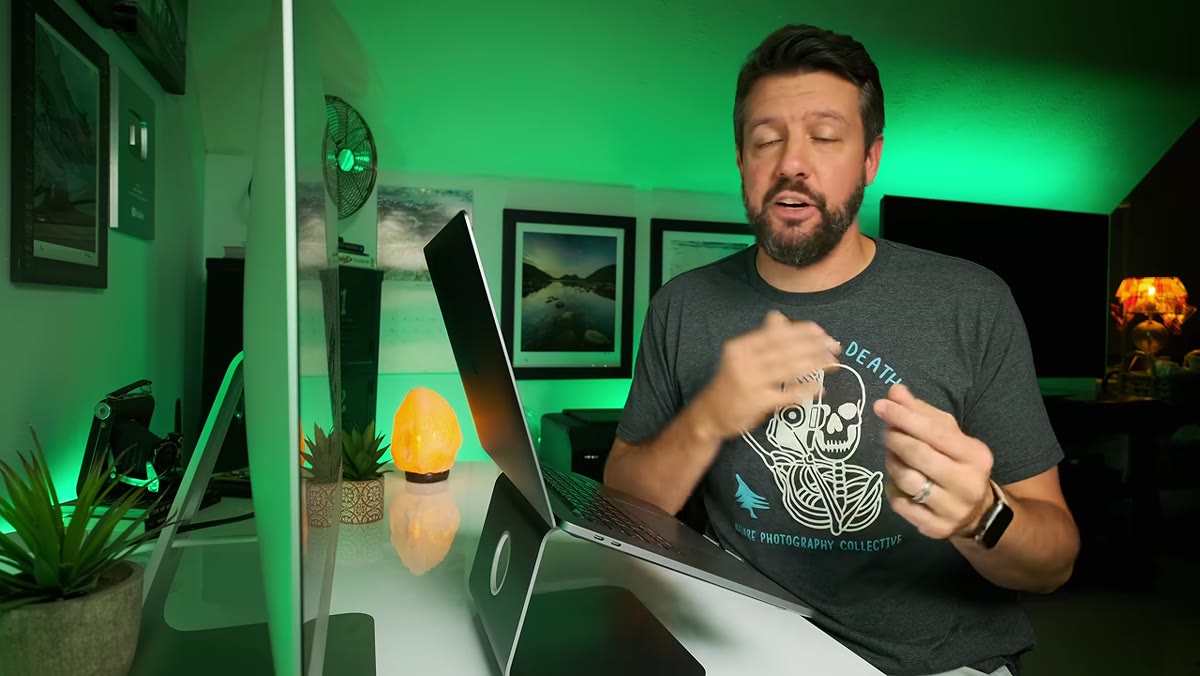 Mark explaining the value-first mindset shift
Mark describes an early fixation on what he could sell, a transactional mindset that he eventually had to discard. The shift he made was deceptively simple: instead of asking “what can I sell today,” he started asking “how do I create value for someone today.”
Mark explaining the value-first mindset shift
Mark describes an early fixation on what he could sell, a transactional mindset that he eventually had to discard. The shift he made was deceptively simple: instead of asking “what can I sell today,” he started asking “how do I create value for someone today.”
I’ve said something similar to photographers at my workshops for years, though I usually frame it differently. The mountain doesn’t care about your schedule - a mentor told me that once when I was rushing a shot. The same principle applies here. Your audience doesn’t care about your revenue goals. They care about what you give them. When your daily work starts from a place of genuine usefulness, the commercial side tends to follow because trust accumulates. That trust is the actual product.
Step 3: Understand Why Landscape Photography Is a Different Business Model
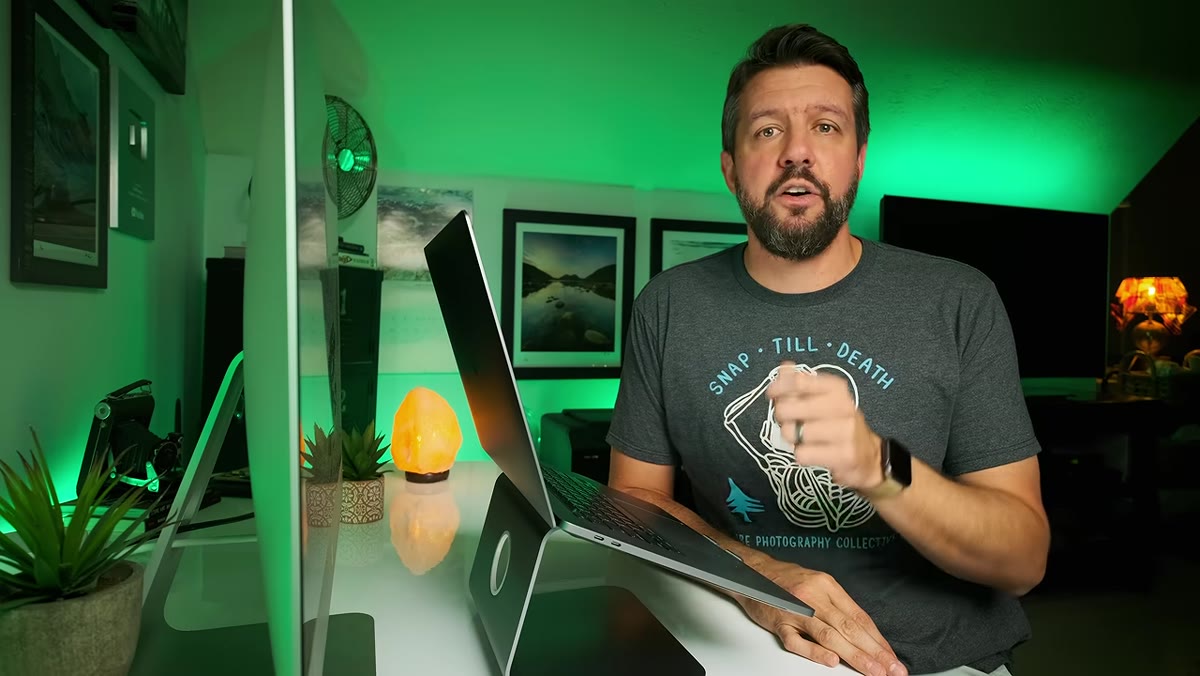 Mark contrasting landscape photography with wedding and portrait work
This is the part of the tutorial that I wish someone had handed me in writing when I was starting out. Mark makes the observation plainly: wedding photographers wait for clients to reach out. Portrait photographers wait for clients to reach out. Real estate photographers wait for clients to reach out. Landscape photographers almost never get that inbound call.
Mark contrasting landscape photography with wedding and portrait work
This is the part of the tutorial that I wish someone had handed me in writing when I was starting out. Mark makes the observation plainly: wedding photographers wait for clients to reach out. Portrait photographers wait for clients to reach out. Real estate photographers wait for clients to reach out. Landscape photographers almost never get that inbound call.
The business model is fundamentally outbound and content-driven. You are not waiting to be hired for a specific job. You are building an audience, a reputation, and a catalog - and revenue emerges from that ecosystem rather than from individual client bookings. Recognizing this early changes every decision you make about where to put your time. It also means your personality, your perspective, and your voice matter more than they do in service-based photography niches.
Step 4: Pair Great Photography With Great Teaching
 Mark stating that every great landscape photographer is also a great educator
Mark makes a statement in this section that stopped me mid-watch: he doesn’t personally know a single great landscape photographer who is not also a great educator. I sat with that for a minute, and I couldn’t argue with it.
Mark stating that every great landscape photographer is also a great educator
Mark makes a statement in this section that stopped me mid-watch: he doesn’t personally know a single great landscape photographer who is not also a great educator. I sat with that for a minute, and I couldn’t argue with it.
Teaching doesn’t have to mean running formal courses or standing in front of a classroom. It means translating your experience into something useful for someone else. A YouTube video explaining why you chose a specific composition. A blog post about reading light in an alpine environment. A workshop where someone watches you make decisions in real time. The form is secondary. The willingness to be generous with what you know is what separates photographers who build audiences from those who post quietly into the void and wonder why nothing moves.
Step 5: Identify Revenue Streams That Actually Work for This Genre
 Mark previewing the specific financial breakdown and income categories
Mark gets specific about where his income actually came from across two years, and specificity is exactly what most conversations about “making money from photography” lack. The categories that matter in landscape work tend to cluster around print sales, educational content (courses, tutorials, workshops), licensing, and platform revenue from video.
Mark previewing the specific financial breakdown and income categories
Mark gets specific about where his income actually came from across two years, and specificity is exactly what most conversations about “making money from photography” lack. The categories that matter in landscape work tend to cluster around print sales, educational content (courses, tutorials, workshops), licensing, and platform revenue from video.
What’s worth noting is that these streams reinforce each other in ways that client-based work doesn’t. A YouTube tutorial builds trust, which drives print sales, which validates your credibility as a workshop instructor, which generates footage for more tutorials. Once the flywheel is moving, momentum compounds. But the startup period, before any of that momentum exists, is the part that requires patience and a clear-eyed acceptance that the first year will probably not be profitable.
Step 6: Identify and Remove Your Anchors
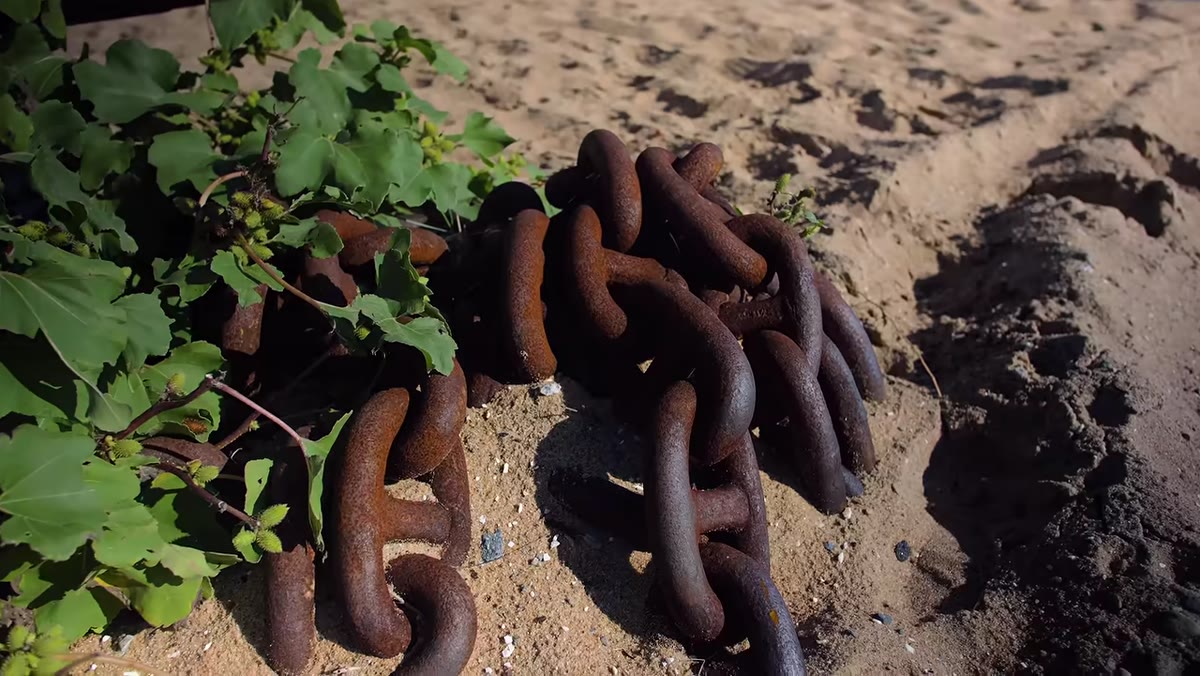 Mark introducing the anchor concept as what holds progress back
The anchor section is where the tutorial gets honest in a way that makes it genuinely useful. Anchors are the habits, platforms, or approaches that burn time and energy without moving you forward. Mark doesn’t prescribe a universal list because anchors are personal - what drains one photographer’s momentum might be another’s best tool.
Mark introducing the anchor concept as what holds progress back
The anchor section is where the tutorial gets honest in a way that makes it genuinely useful. Anchors are the habits, platforms, or approaches that burn time and energy without moving you forward. Mark doesn’t prescribe a universal list because anchors are personal - what drains one photographer’s momentum might be another’s best tool.
The exercise he implicitly recommends is an audit. Look at where your hours actually go each week and ask, with real honesty, whether each activity is building something durable. If it isn’t, it’s dragging on the boat. For me, early in my career, the anchor was perfectionism around editing. I’d spend four hours on a single image that could have been solid in forty-five minutes. That time had to come from somewhere, and it came from writing, outreach, and building the kind of presence that eventually paid for itself.
What I’d Add From Twenty Years in the Field
The framework Mark outlines is sound, and I’d have moved faster if I’d had it clearly mapped at the start. The one thing I’d layer on top is this: protect the reason you picked up the camera in the first place.
I still occasionally shoot a roll of film on a trip, not to sell it, not to teach with it, but because it forces me to stand still and actually think before I press the shutter. The income side of this work can quietly become the loudest thing in the room if you let it. The photographers I’ve watched burn out weren’t undisciplined. They were disciplined about the wrong things - chasing metrics while the light was doing something extraordinary outside.
Build the boat. Use the oars. Cut the anchors. But don’t forget why you drove to the river at four in the morning before any of this was a business.
The single most important idea in this tutorial is the shift from “what can I sell” to “what value can I create.” Everything else - the website, the teaching, the revenue streams - flows downstream from that reframe. Watch the full tutorial on YouTube for Mark’s specific financial numbers and the honest breakdown of what his first two years actually looked like.
Comments
Leave a Comment