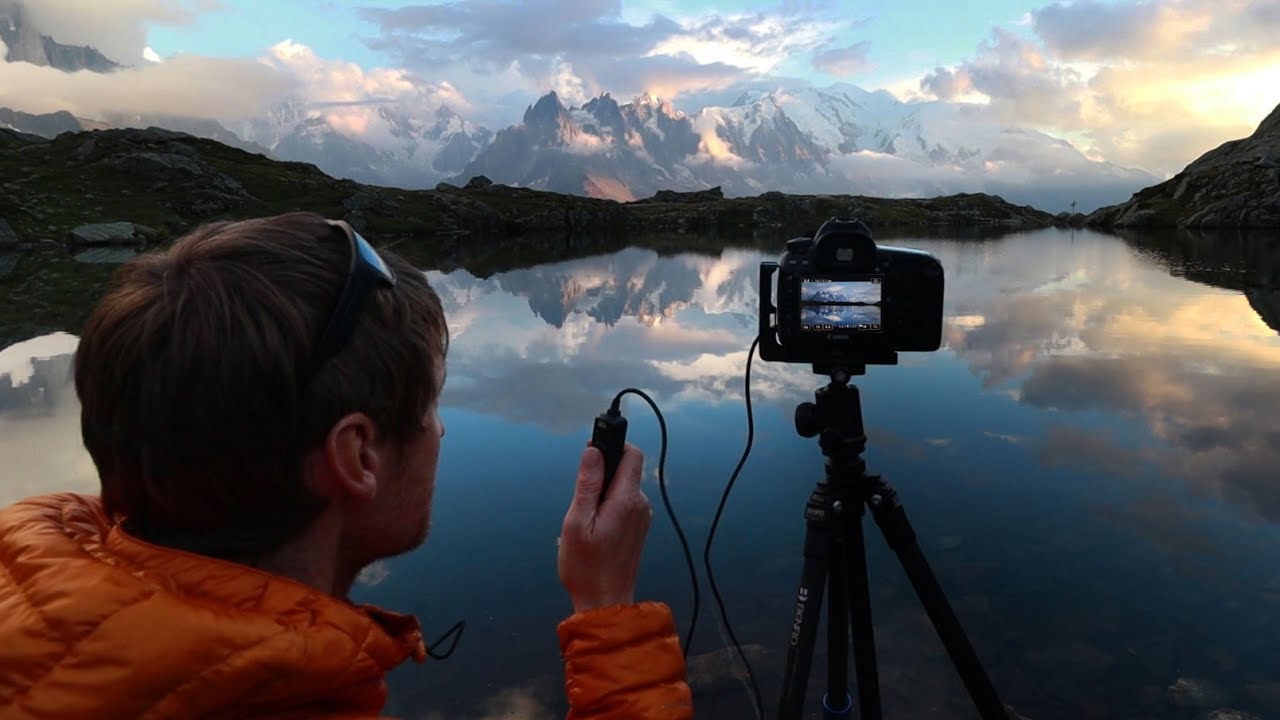
There’s a version of landscape photography that looks effortless in the final image. Still water. Perfect light. Mountains glowing like they were lit by a gaffer. What you don’t see is the three-hour climb to get there, the foreboding clouds that had everyone quietly preparing for disappointment, and the dinner eaten while mentally rehearsing a backup plan. That gap between what the photograph shows and what it cost is something I’ve been thinking about for twenty years, and it’s exactly what Thomas Heaton captures so honestly in this tutorial shot above the Chamonix Valley in France. Watch the full tutorial on YouTube
In this Thomas Heaton tutorial, he leads a workshop group on a demanding alpine hike to Lac de Cheserys at sunset. The photography itself, once he’s there, is straightforward. The lesson buried inside that simplicity is the one worth unpacking. I’ve driven six hours to a location only to sit in fog for two days. I came home with one shot from that trip and it became my best-selling print. Heaton’s approach to this shoot rhymes with everything that experience taught me: choose a location that earns the image, then get out of your own way when the light finally arrives.
What follows is a step-by-step breakdown of how Heaton works this location, with the practical details you need to apply the same thinking on your next big hike-in shoot.
Step 1: Choose a Location That Justifies the Effort
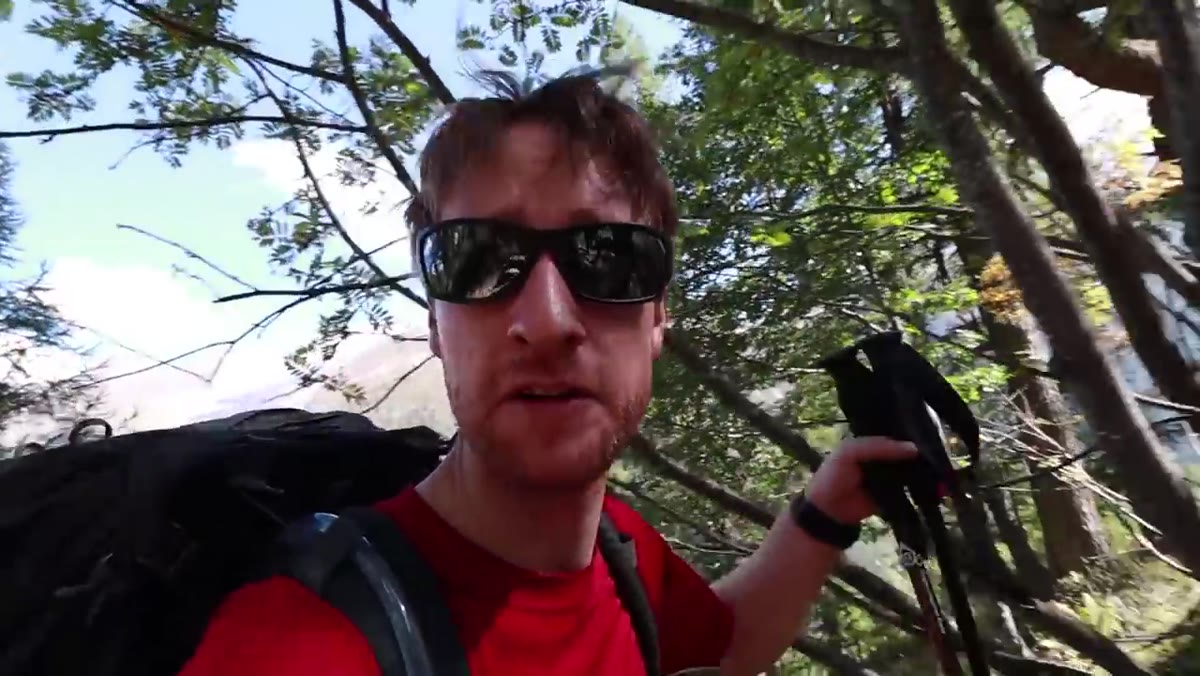 Hikers ascending steep trail above Chamonix Valley in heat
Not every great image comes from a hard-to-reach place, but there’s a useful filter embedded in the question “is this worth a three-hour hike?” If the answer is yes, you’ve already narrowed your options to locations with genuine visual payoff. Heaton picks Lac de Cheserys specifically because it offers a still alpine lake in the foreground and the Mont Blanc massif as a backdrop. That’s a compositional gift - mountain, reflection, sky - and it’s not available from the roadside.
Hikers ascending steep trail above Chamonix Valley in heat
Not every great image comes from a hard-to-reach place, but there’s a useful filter embedded in the question “is this worth a three-hour hike?” If the answer is yes, you’ve already narrowed your options to locations with genuine visual payoff. Heaton picks Lac de Cheserys specifically because it offers a still alpine lake in the foreground and the Mont Blanc massif as a backdrop. That’s a compositional gift - mountain, reflection, sky - and it’s not available from the roadside.
When I’m scouting for workshop locations or planning a personal shoot, I use topographic maps alongside satellite imagery to identify lakes or tarns above treeline that face west or northwest. That orientation puts the mountains in evening light while keeping them visible above the horizon. The hike itself becomes part of the process, not an obstacle to it.
Step 2: Manage Expectations on the Way Up
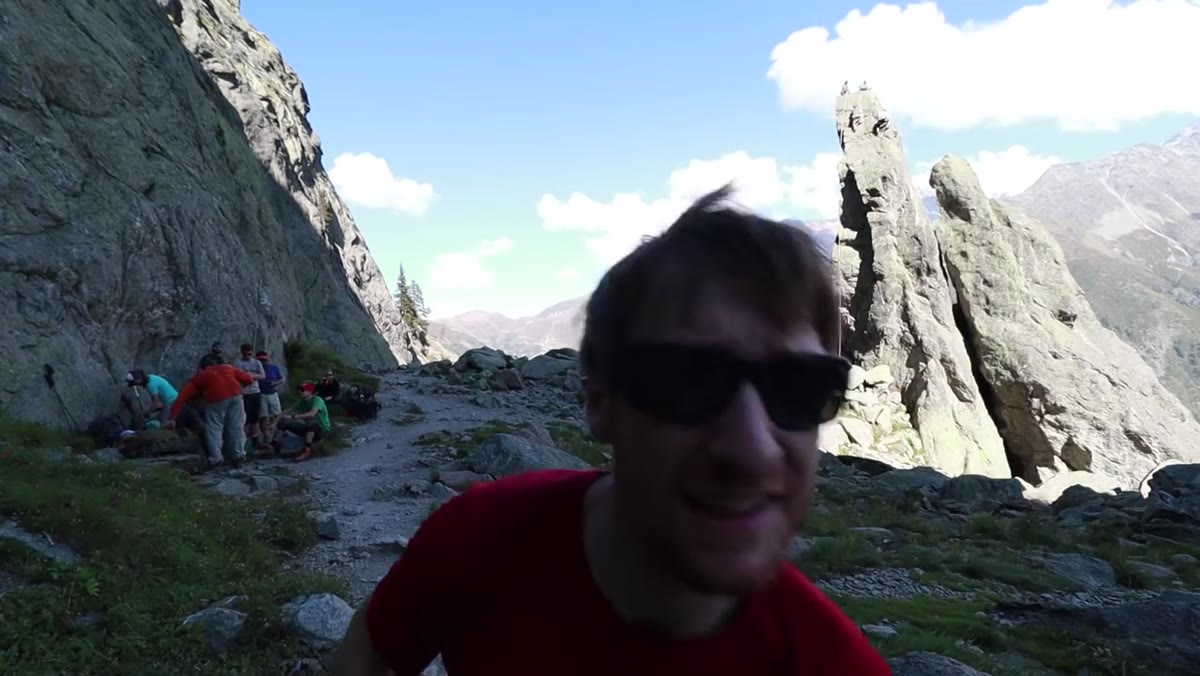 Group resting at halfway point with Mont Blanc visible in background
Heaton mentions partway through the climb that the conditions aren’t guaranteed. There’s wind. There are dark clouds building. Most of the group assumes the light will disappoint. This kind of honest expectation management isn’t pessimism - it’s how you stay present on a difficult hike instead of catastrophizing about what you might or might not get at the top.
Group resting at halfway point with Mont Blanc visible in background
Heaton mentions partway through the climb that the conditions aren’t guaranteed. There’s wind. There are dark clouds building. Most of the group assumes the light will disappoint. This kind of honest expectation management isn’t pessimism - it’s how you stay present on a difficult hike instead of catastrophizing about what you might or might not get at the top.
I tell workshop participants the same thing every time: we are hiking to a beautiful place. The photographs are a bonus. That framing keeps people moving when the weather looks uncertain and keeps them patient when they arrive. It also means that when the light does show up, the emotional response is genuine, and that energy finds its way into how people shoot.
Step 3: Arrive Early and Read the Scene Before You Shoot
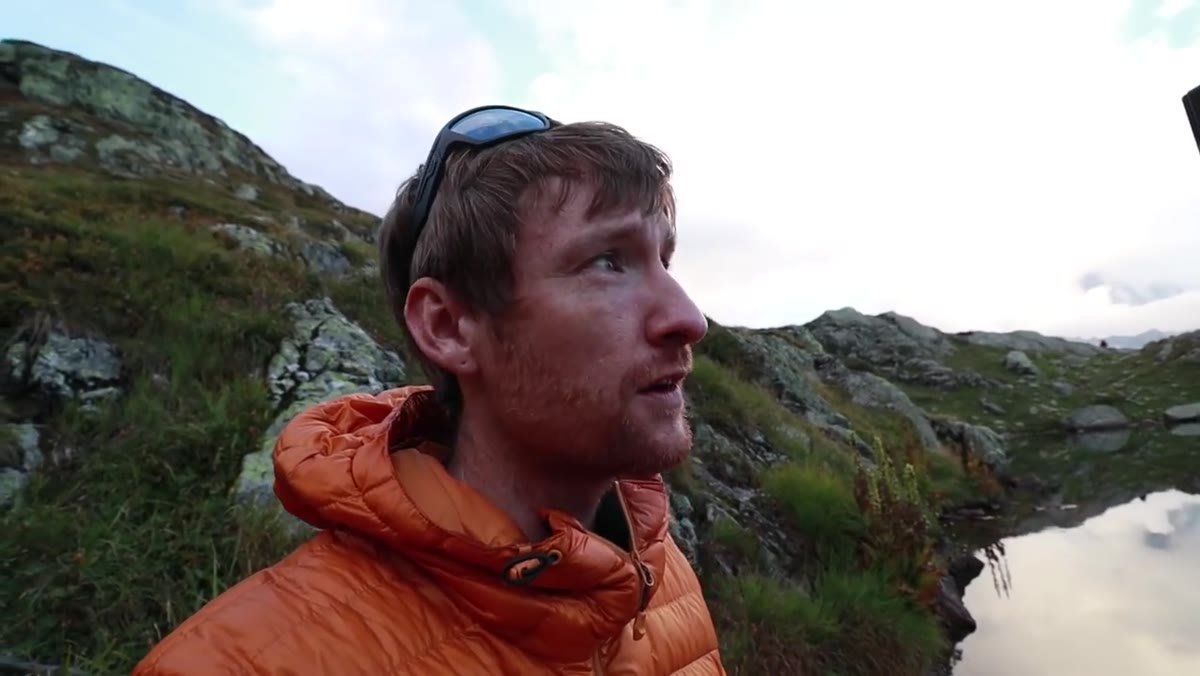
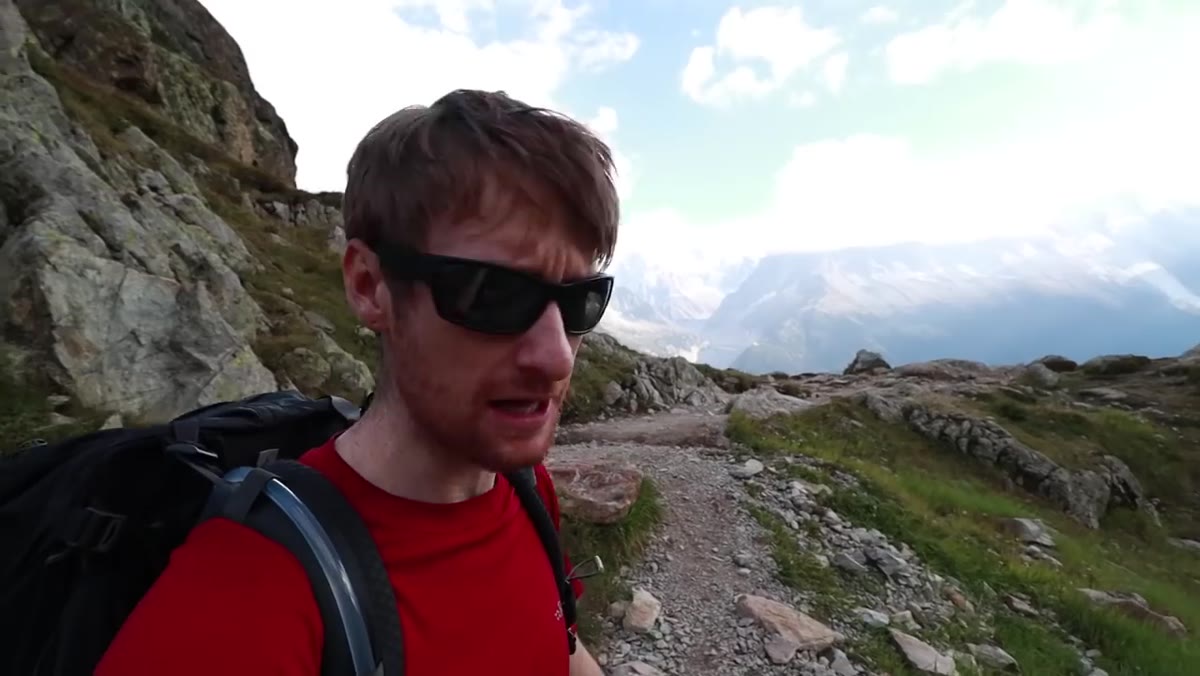 Group arriving at Lac de Cheserys, scanning water surface and sky
Heaton and his group arrive with enough time to eat dinner, assess the wind on the water, and watch how the clouds are moving. This is underrated. Photographers who sprint to a location and immediately start shooting often miss the compositional possibilities that reveal themselves over twenty or thirty minutes of quiet observation.
Group arriving at Lac de Cheserys, scanning water surface and sky
Heaton and his group arrive with enough time to eat dinner, assess the wind on the water, and watch how the clouds are moving. This is underrated. Photographers who sprint to a location and immediately start shooting often miss the compositional possibilities that reveal themselves over twenty or thirty minutes of quiet observation.
When I arrive at a new location, I put the camera down first. I walk the shoreline. I look at where the reflection breaks up, where the foreground gets interesting, where the mountain sits in relation to the horizon at different angles. Spend fifteen minutes doing this and you’ll make better decisions when the light actually starts moving.
Step 4: Simplify the Composition
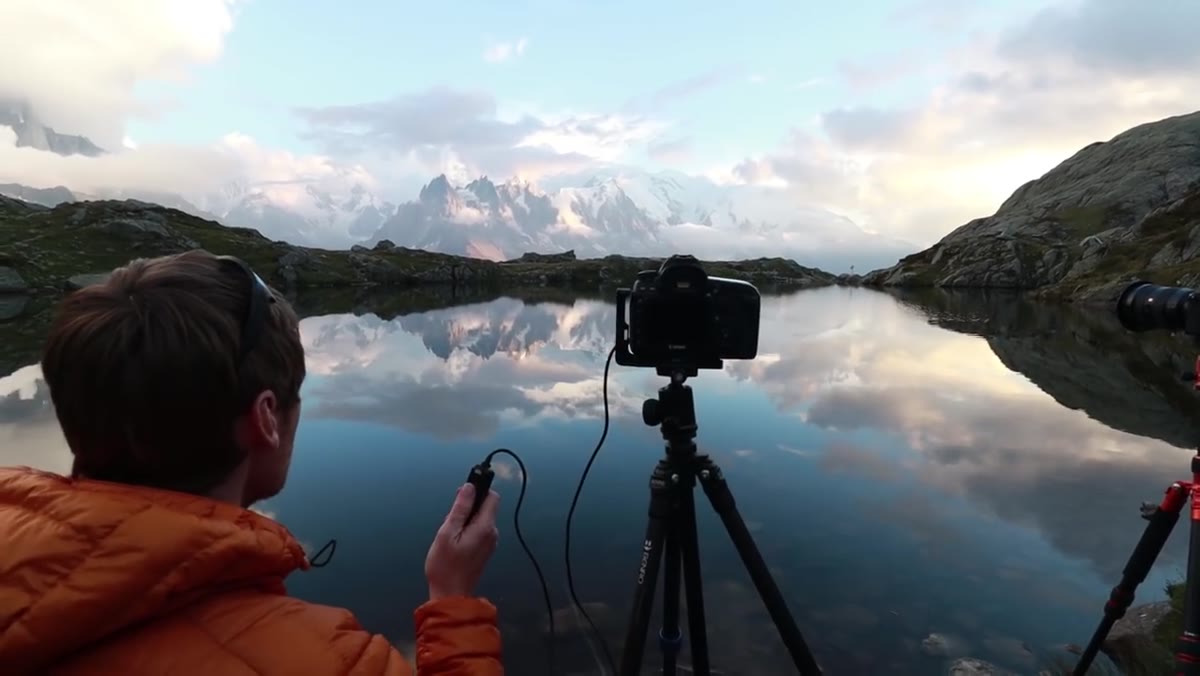
 Heaton framing a wide horizontal shot of Mont Blanc reflected in the lake
Once the light begins, Heaton’s composition is deliberate and uncluttered. He describes it as a near-letterbox frame - roughly 16:9 - with the mountain centered and its reflection filling the lower half of the image. He’s not chasing complexity. The scene itself provides everything: the Mont Blanc massif catching alpenglow, the perfectly still water, and a sky textured with cloud and atmosphere.
Heaton framing a wide horizontal shot of Mont Blanc reflected in the lake
Once the light begins, Heaton’s composition is deliberate and uncluttered. He describes it as a near-letterbox frame - roughly 16:9 - with the mountain centered and its reflection filling the lower half of the image. He’s not chasing complexity. The scene itself provides everything: the Mont Blanc massif catching alpenglow, the perfectly still water, and a sky textured with cloud and atmosphere.
This is a principle I come back to constantly. Strong locations don’t need to be wrestled into interesting compositions. Your job is to find the frame that lets the place speak clearly. A wide horizontal works here because the scale of the mountain range demands width. If I’m shooting a similar alpine reflection scene, I keep the horizon roughly in the middle or slightly above it, letting the reflection carry visual weight equal to the mountain itself.
Step 5: Nail Your Exposure for Mixed Light Conditions
 Heaton checking camera settings and reviewing exposure on the lake shore
Heaton keeps his technical approach simple and repeatable: frame the shot, verify exposure, confirm focus, capture the image. At sunset in an alpine environment, you’re typically dealing with a bright sky, a shadowed foreground, and a midtone reflection. I shoot in manual mode - have for two decades - and I bracket my exposures in one-stop increments when the light is changing quickly. This gives me flexibility in post without missing the peak moment while chimping.
Heaton checking camera settings and reviewing exposure on the lake shore
Heaton keeps his technical approach simple and repeatable: frame the shot, verify exposure, confirm focus, capture the image. At sunset in an alpine environment, you’re typically dealing with a bright sky, a shadowed foreground, and a midtone reflection. I shoot in manual mode - have for two decades - and I bracket my exposures in one-stop increments when the light is changing quickly. This gives me flexibility in post without missing the peak moment while chimping.
For a scene like Lac de Cheserys, I’d set my base exposure for the highlights in the sky and the lit face of the mountain, then evaluate whether the foreground needs a graduated ND filter to compress the range. If the water is truly still, a longer exposure in the range of one to four seconds can smooth any residual surface movement without destroying the reflection detail.
Step 6: Look Beyond the Main Subject When Conditions Are Rich
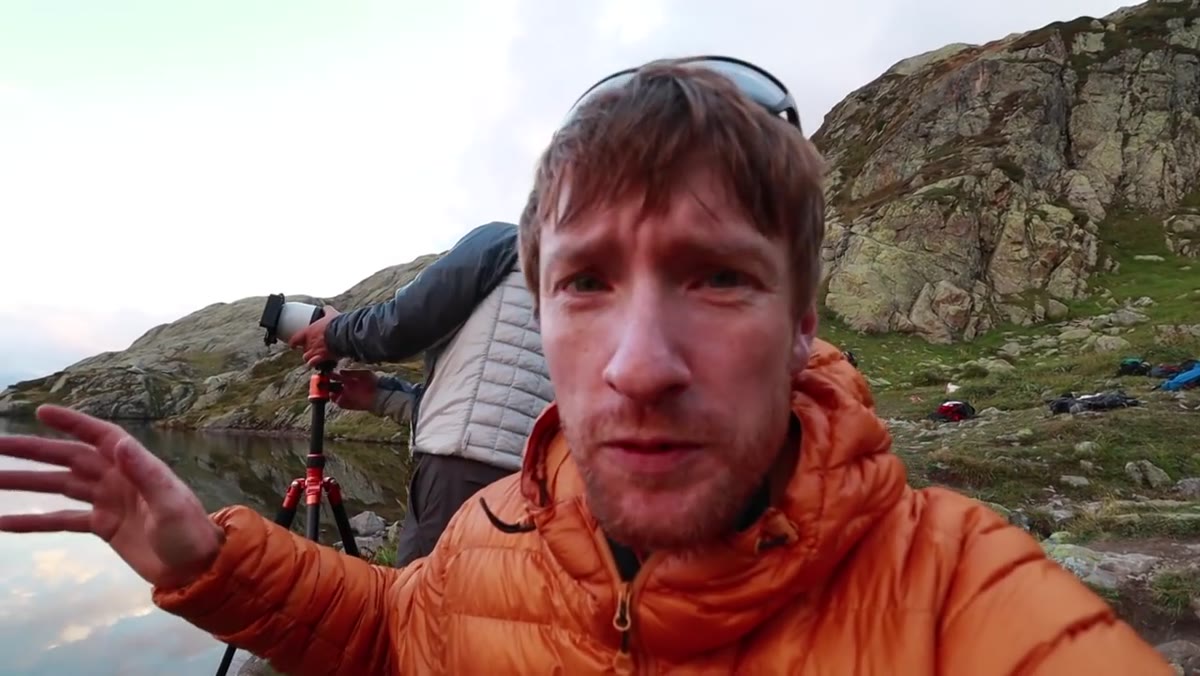 Heaton pointing to mountain peaks emerging through cloud gaps
After establishing his primary composition, Heaton starts noticing secondary details - specifically mountain summits breaking through the cloud layer, surrounded on all sides by mist. He calls them sky islands, which is an exact description. These isolated peaks have a completely different emotional quality than a clear summit. They look remote, unreachable, almost mythological.
Heaton pointing to mountain peaks emerging through cloud gaps
After establishing his primary composition, Heaton starts noticing secondary details - specifically mountain summits breaking through the cloud layer, surrounded on all sides by mist. He calls them sky islands, which is an exact description. These isolated peaks have a completely different emotional quality than a clear summit. They look remote, unreachable, almost mythological.
This habit of scanning beyond the obvious subject is something you have to practice deliberately. When conditions are exceptional, every direction becomes interesting. I keep a second body with a longer lens for exactly these moments - to isolate weather details, catch a beam of light on a distant ridge, or compress the sense of scale between near and far elements.
What I’d Add from My Own Experience
Heaton doesn’t dwell on it, but the willingness to be uncertain is what makes this whole shoot possible. The clouds that threatened to ruin the evening are the same clouds that made the final images extraordinary. A mentor told me years ago that the mountain doesn’t care about your schedule, and I’ve found that accepting that truth completely changes how you work in the field. You stop fighting the conditions and start reading them.
The single most important takeaway from this tutorial is one Heaton states plainly and then proves with his images: the photography at a location like this is not the hard part. Getting there, in every sense, is. The technical work at the lake is simple - frame, expose, focus, shoot. The actual craft is in choosing the location, making the hike, arriving with patience still intact, and being ready when the light moves.
Watch the full tutorial on YouTube to see the full hike, the dinner with a view, and the moment the light finally breaks open above Lac de Cheserys.
Comments (1)
Printing this out and pinning it next to my monitor. That good.
Leave a Comment