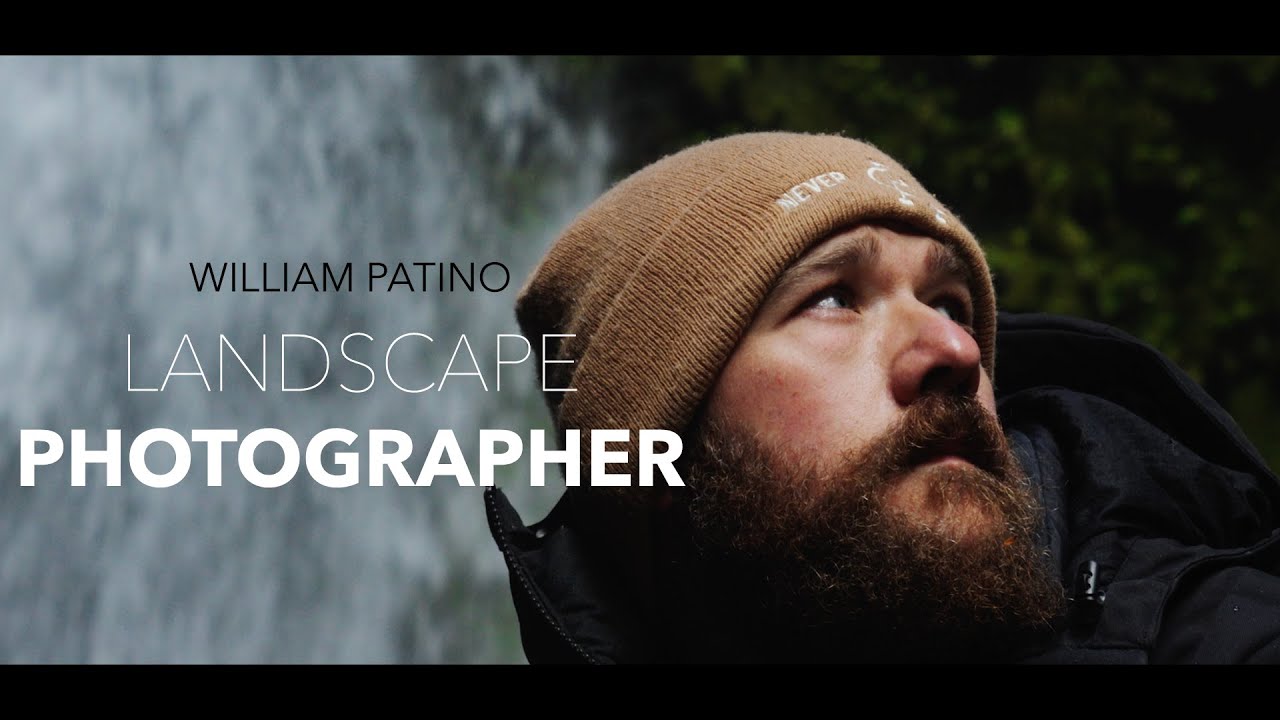
There’s a particular kind of paralysis that creeps in after you’ve been doing this long enough. You’ve shot enough sunrises that you know, more or less, what a good one looks like. You’ve hiked to enough overlooks that the mental checklist runs automatically: light direction, foreground interest, horizon placement. And somewhere in all that accumulated competence, the wonder starts to quietly drain out. I’ve been shooting landscapes full-time for twenty years, and I still fight this. Some seasons are worse than others.
That’s why when I came across Watch the full tutorial on YouTube - this short, deeply personal film from New Zealand landscape photographer William Patino - it landed harder than I expected. It isn’t a technical breakdown of gear or editing. It’s something rarer: an honest account of why he photographs at all, and how that clarity about purpose directly shapes how he works in the field. If you’re shooting consistently but feel like you’re grinding rather than creating, what Patino shares here is worth sitting with.
The framework he describes isn’t a workflow in the traditional sense. It’s more like a set of mental adjustments - specific ways of approaching a shoot that remove the friction between you and the actual experience of being somewhere wild and paying attention. I’ve broken it down into steps because there’s a real, repeatable practice buried in what he’s describing, even if he doesn’t frame it that way himself.
Step 1: Acknowledge the doubt instead of suppressing it
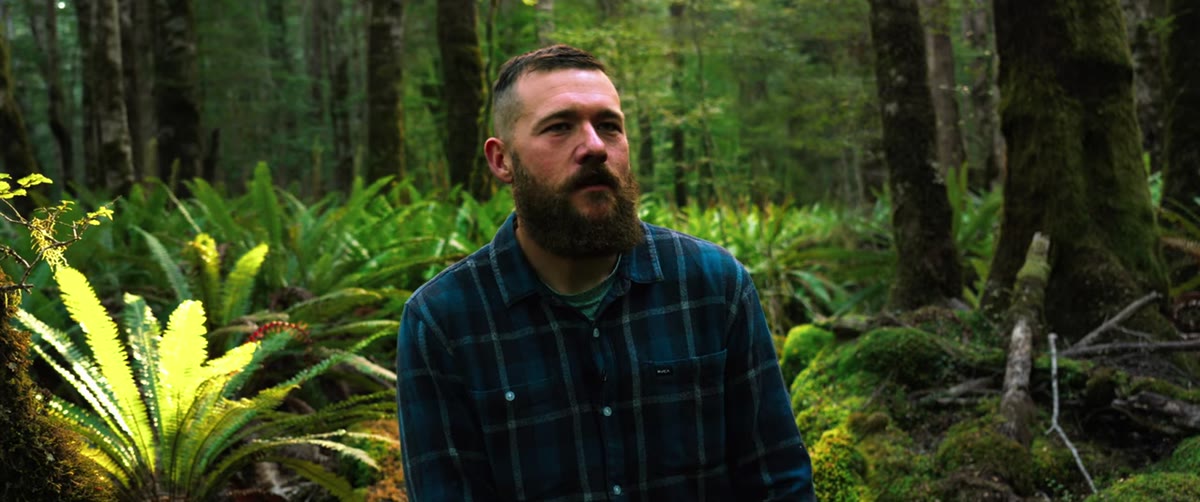 Photographer reflecting on self-doubt about his own images
Patino opens by naming something most photographers don’t say out loud: the creeping sense that what you’re making isn’t worth continuing. The temptation is to push past that feeling or distract yourself from it. His approach is different - he treats doubt as information rather than an obstacle. When you catch yourself questioning your work, that’s a signal to look at what expectations you’ve placed on the outcome. Start there before you even pick up the camera. I keep a small notebook in my bag, and on difficult stretches I’ll actually write down what I’m hoping to come home with. Seeing it on paper usually reveals how much pressure I’ve quietly stacked on a single outing.
Photographer reflecting on self-doubt about his own images
Patino opens by naming something most photographers don’t say out loud: the creeping sense that what you’re making isn’t worth continuing. The temptation is to push past that feeling or distract yourself from it. His approach is different - he treats doubt as information rather than an obstacle. When you catch yourself questioning your work, that’s a signal to look at what expectations you’ve placed on the outcome. Start there before you even pick up the camera. I keep a small notebook in my bag, and on difficult stretches I’ll actually write down what I’m hoping to come home with. Seeing it on paper usually reveals how much pressure I’ve quietly stacked on a single outing.
Step 2: Use photography as a tool for attention, not just documentation
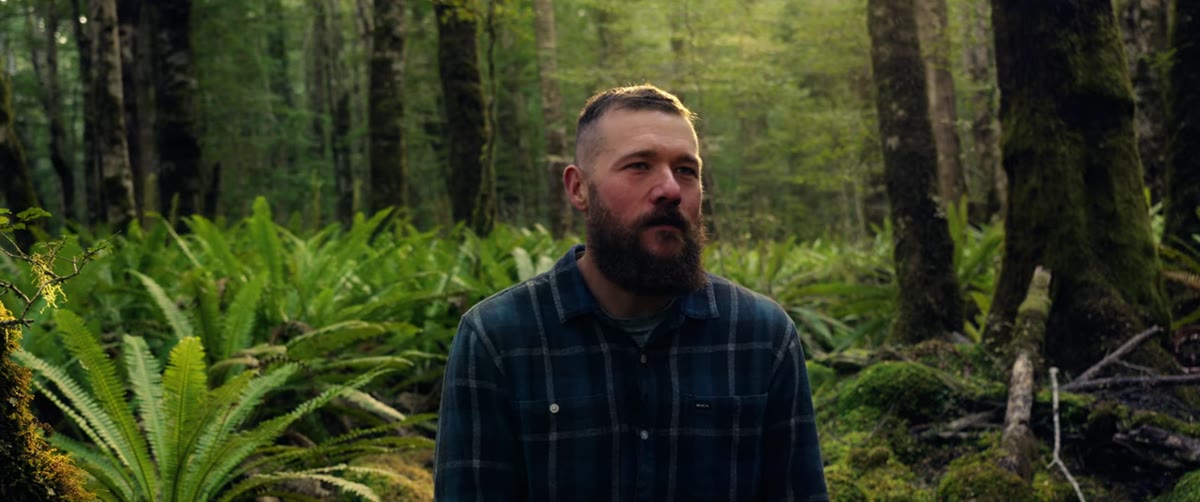 Patino describing picking up the camera during personal hardship
Patino traces his relationship with photography back to a period of serious personal difficulty. He found that carrying a camera changed how he looked at his surroundings - it slowed him down and made the details of the natural world visible in a way they hadn’t been before. This is worth taking literally as a field technique. Before you set up a composition, spend fifteen minutes in a location without bringing the camera to your eye at all. Walk the edges. Look at what’s below your feet and above your eyeline. The camera should be forcing your attention into sharper focus, not replacing the act of seeing.
Patino describing picking up the camera during personal hardship
Patino traces his relationship with photography back to a period of serious personal difficulty. He found that carrying a camera changed how he looked at his surroundings - it slowed him down and made the details of the natural world visible in a way they hadn’t been before. This is worth taking literally as a field technique. Before you set up a composition, spend fifteen minutes in a location without bringing the camera to your eye at all. Walk the edges. Look at what’s below your feet and above your eyeline. The camera should be forcing your attention into sharper focus, not replacing the act of seeing.
Step 3: Treat the image as the last part of the equation
 Patino explaining the experience leading up to the photograph
This is the core reframe in Patino’s philosophy, and it’s a practical one. He describes the final image as the endpoint of a much longer sequence: the exploration, the uncertainty, the physical engagement with a place, the emotional charge of arriving somewhere and having it affect you. When I drove six hours to a coastal location years ago and spent two days sitting in dense fog with almost nothing to show for it, I almost wrote the trip off completely. The one frame I came home with - shot at the edge of a cliff when the fog broke for about four minutes - became my best-selling print. What got me to that moment wasn’t planning. It was staying present through a lot of nothing. Build that into your practice deliberately. The shot is the receipt, not the goal.
Patino explaining the experience leading up to the photograph
This is the core reframe in Patino’s philosophy, and it’s a practical one. He describes the final image as the endpoint of a much longer sequence: the exploration, the uncertainty, the physical engagement with a place, the emotional charge of arriving somewhere and having it affect you. When I drove six hours to a coastal location years ago and spent two days sitting in dense fog with almost nothing to show for it, I almost wrote the trip off completely. The one frame I came home with - shot at the edge of a cliff when the fog broke for about four minutes - became my best-selling print. What got me to that moment wasn’t planning. It was staying present through a lot of nothing. Build that into your practice deliberately. The shot is the receipt, not the goal.
Step 4: Stop optimizing for the end result in the field
 Patino describing how narrowing opportunities increases pressure
Patino describes what happens as photographers develop: the bar rises, the opportunities that feel worthy seem to shrink, and the gap between where you are and where you want to be can feel immobilizing. His solution is direct - stop leading with the destination. When you arrive at a location thinking only about what you need to come home with, you spend the whole time cataloguing problems: the light isn’t right, the clouds aren’t doing what you wanted, the composition you previsualized isn’t working. Shift the question from “how do I get the shot” to “what is actually happening here right now.” That’s not a soft, feel-good suggestion. It’s a technical discipline, and it changes what you see.
Patino describing how narrowing opportunities increases pressure
Patino describes what happens as photographers develop: the bar rises, the opportunities that feel worthy seem to shrink, and the gap between where you are and where you want to be can feel immobilizing. His solution is direct - stop leading with the destination. When you arrive at a location thinking only about what you need to come home with, you spend the whole time cataloguing problems: the light isn’t right, the clouds aren’t doing what you wanted, the composition you previsualized isn’t working. Shift the question from “how do I get the shot” to “what is actually happening here right now.” That’s not a soft, feel-good suggestion. It’s a technical discipline, and it changes what you see.
Step 5: Place yourself in environments that generate inspiration naturally
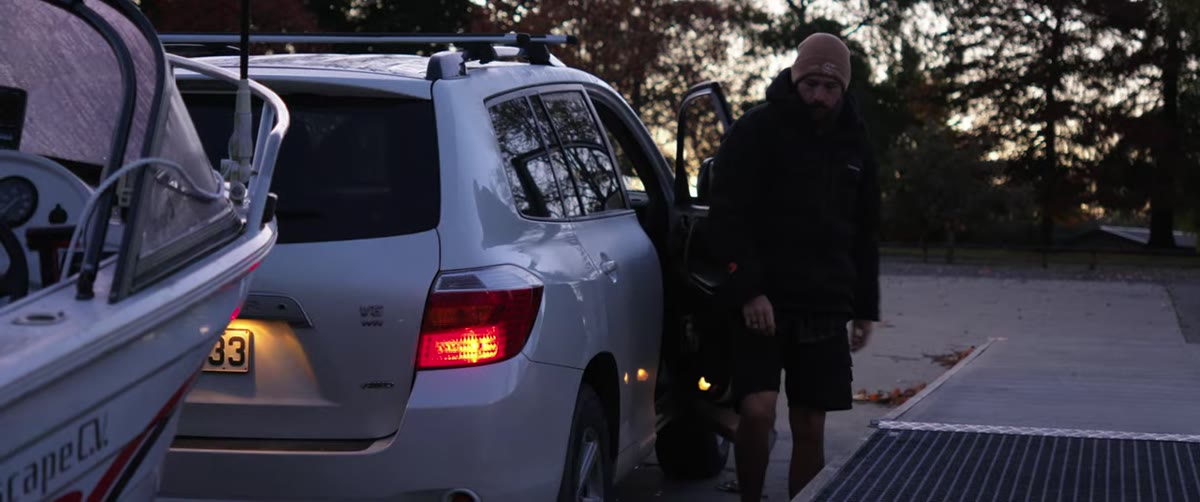 Patino discussing positioning himself in places conducive to inspiration
One of the most actionable things Patino says is this: put yourself in places that are inherently going to spark something. This sounds obvious, but it has a specific implication for how you plan shoots. Don’t just research the iconic compositions. Research the general area - the trails that run past the main viewpoint, the river bends that don’t show up in any photo guides, the hour before and after the window everyone else is shooting in. The shot that surprises you almost always comes from the time you spent before or after the moment you were chasing. My mentor once told me that the mountain doesn’t care about your schedule, and after two decades that still recalibrates something when I hear it in my head at 4am.
Patino discussing positioning himself in places conducive to inspiration
One of the most actionable things Patino says is this: put yourself in places that are inherently going to spark something. This sounds obvious, but it has a specific implication for how you plan shoots. Don’t just research the iconic compositions. Research the general area - the trails that run past the main viewpoint, the river bends that don’t show up in any photo guides, the hour before and after the window everyone else is shooting in. The shot that surprises you almost always comes from the time you spent before or after the moment you were chasing. My mentor once told me that the mountain doesn’t care about your schedule, and after two decades that still recalibrates something when I hear it in my head at 4am.
Step 6: Let the feeling exceed what the image can hold
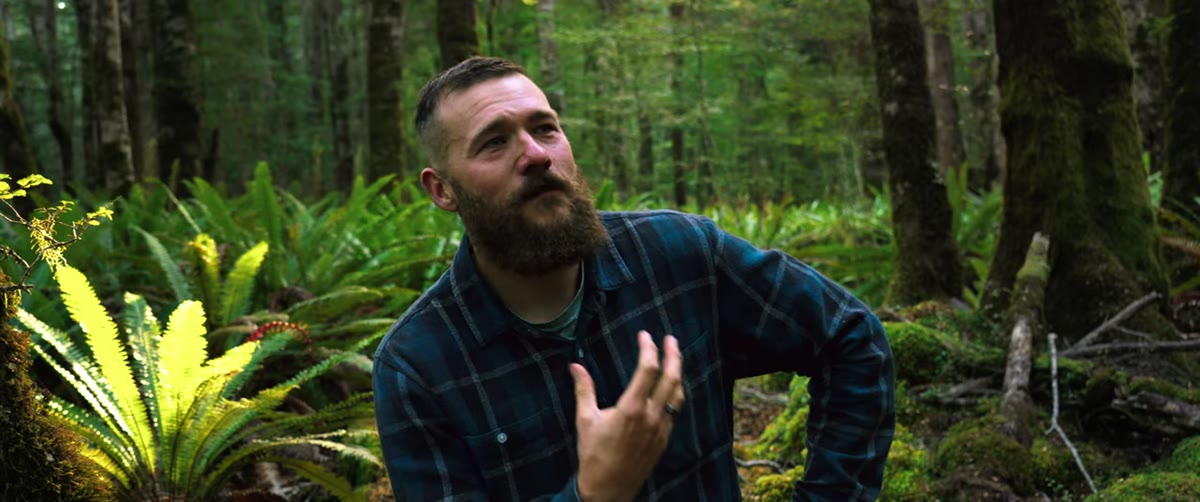 Patino expressing that photography is his way of expressing deep emotion
Patino is honest about a creative tension that I think every serious photographer encounters: what you feel in a place will always be larger than what any photograph can capture. His response to that gap isn’t frustration - it’s purpose. He frames it as the reason he’ll keep working. Let that discontentment be productive rather than deflating. When an image doesn’t match what you felt standing there, that’s not a failure. It’s information about what to keep reaching for.
Patino expressing that photography is his way of expressing deep emotion
Patino is honest about a creative tension that I think every serious photographer encounters: what you feel in a place will always be larger than what any photograph can capture. His response to that gap isn’t frustration - it’s purpose. He frames it as the reason he’ll keep working. Let that discontentment be productive rather than deflating. When an image doesn’t match what you felt standing there, that’s not a failure. It’s information about what to keep reaching for.
A note from my own field experience
The piece of this I’d push back on slightly, or at least complicate, is the idea of removing all expectations. For me, some structure is generative. I still scout, still research light angles, still show up with a loose compositional idea in mind. What I’ve learned is that the plan should function as a starting point rather than a requirement. Having a sketch of what you’re after gives you something to depart from. The departure is usually where the interesting work happens. Think of the plan as scaffolding you’re allowed to pull down once you’re standing in the actual place.
Patino’s larger point holds up entirely though. The photographers I know who are still energized by this work after many years aren’t the ones who nail every shot. They’re the ones who stay genuinely curious about what’s in front of them.
The single most transferable thing in this video is simple: the image is not the point. The practice of showing up, paying attention, and letting a place affect you - that’s the work. The photograph is just evidence that you were there for it.
Watch the full tutorial on YouTube and sit with what Patino is actually saying. It’s short. It’s worth a second watch.
Comments (2)
Quality content like this is rare. Keep it up.
Couldn't agree more. I've seen this make a huge difference in business work specifically.
Leave a Comment