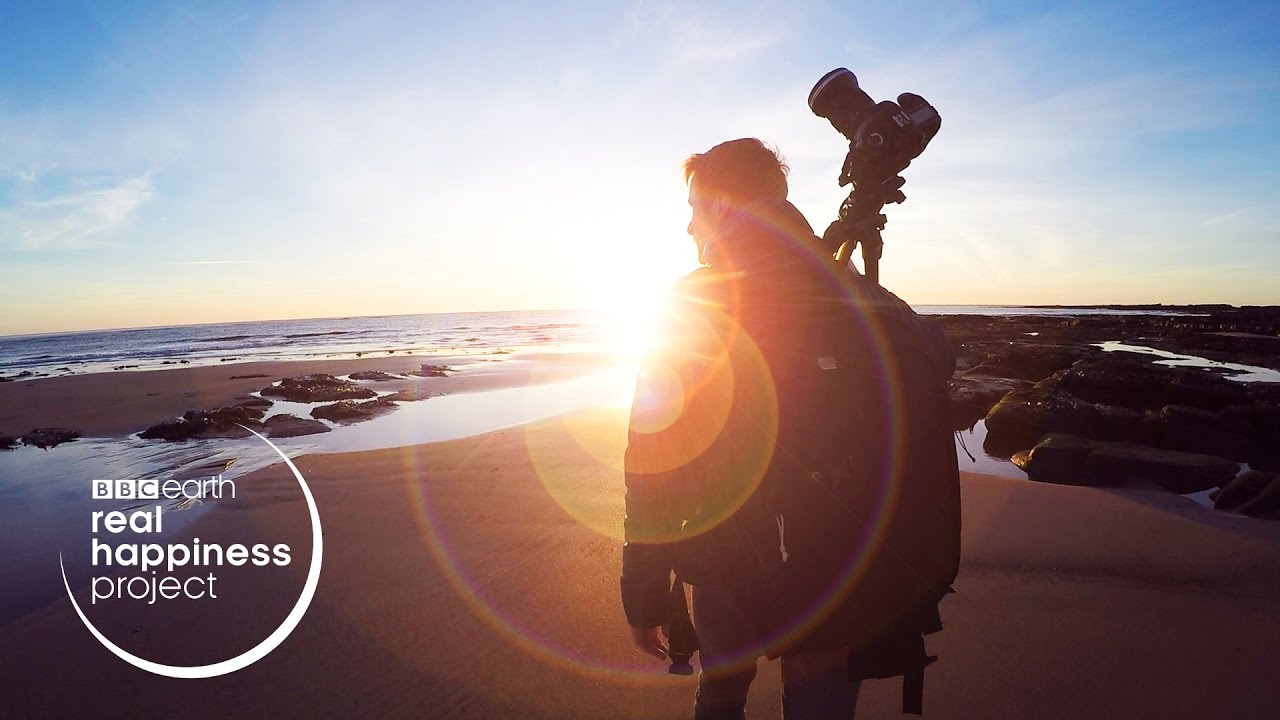
I’ve been waking up before 4am for most of my adult life, and I still can’t fully explain why it feels so right. There’s something that happens in that window between darkness and first light that no other part of the day can replicate. It took me years to realize this wasn’t just a personal quirk - it was one of the most important practical decisions I could make as a landscape photographer. So when I came across a tutorial from Thomas Heaton that lays this out clearly and honestly, I wanted to break it down for anyone still on the fence about setting that pre-dawn alarm.
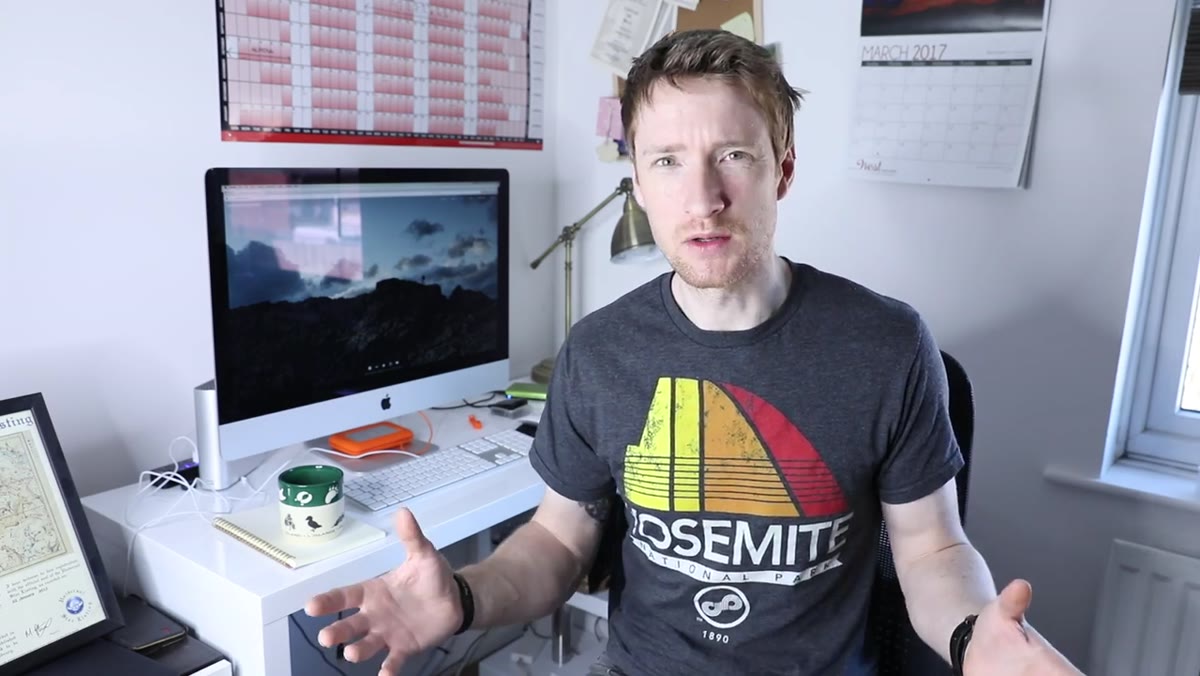
In this Thomas Heaton tutorial, Heaton frames the early morning around a BBC Earth campaign encouraging people to get outside more - specifically within 90 minutes of home - and to find what he calls a “happy place.” It sounds simple. But underneath that uncomplicated premise is a set of concrete reasons that any serious nature photographer should hear. Watch the full tutorial on YouTube and then come back through this breakdown with field notes from someone who’s been doing this for two decades.
The coastline is Heaton’s happy place. Mine is the high desert outside Bend, Oregon. The specific location doesn’t matter as much as the commitment to showing up before the world wakes up. Here’s how to actually do that, and why each piece of it matters.
Step 1: Choose a Location Within Reach, Not on a Wishlist
 Heaton walking along a wide, empty beach at low tide
The 90-minute rule in the video is worth taking seriously. Heaton isn’t talking about epic road trips to Patagonia or Iceland. He’s talking about the beach town twenty minutes from his house. The tendency in photography is to hold out for the grand destination and skip the ordinary one. That’s a mistake. I once drove six hours to shoot a slot canyon, sat in dense fog for two days, and came home with exactly one usable frame. That frame became my best-selling print. The lesson wasn’t about fog - it was about showing up consistently to places close enough that you’ll actually go.
Pick a location you can reach in under an hour. Somewhere with natural elements that change with light - water, rock, open sky, tree lines. Know the route so well you can drive it half asleep, because some mornings you will be.
Step 2: Pack Your Gear the Night Before, Every Time
 Camera bag packed and ready near a doorway in low indoor light
Heaton mentions the night-before pack as an almost throwaway line, but I’d put it near the top of the list. If your bag isn’t packed before you go to bed, you’ll spend twenty minutes in a foggy half-sleep deciding what to bring, and you’ll leave something essential behind. I shoot manual on everything - body, focus, white balance - and forgetting one piece of equipment at 4am isn’t a small inconvenience. It costs you the shot.
The pack should be a habit, not a decision. Same kit each time unless the specific shoot demands otherwise. Batteries charged, memory cards formatted, filters in their case. The night-before ritual also serves as a mental reset - it tells your brain this shoot is happening regardless of how the alarm feels tomorrow.
Step 3: Arrive Before First Light to Claim the Location
 Wide coastal scene with blue pre-dawn sky, no other people visible
Heaton’s first formal reason for getting up early is that you get the location entirely to yourself. No foot traffic through the frame, no voices cutting into the quiet you’re trying to absorb. This is especially true for beaches, popular overlooks, and trails near cities. By the time most people arrive with their coffee and their dogs, you’ve already shot the best light and you’re on your way home.
Arrive with enough time to walk the scene before shooting. I try to be on location 30 minutes before civil twilight. That’s the period when the horizon starts to separate from the sky but the sun hasn’t crested yet. Use that window to identify your compositions, test your footing, and settle into the space. Rushed setups make for mediocre images.
Step 4: Shoot the Sunrise as a Narrow, Unrepeatable Event
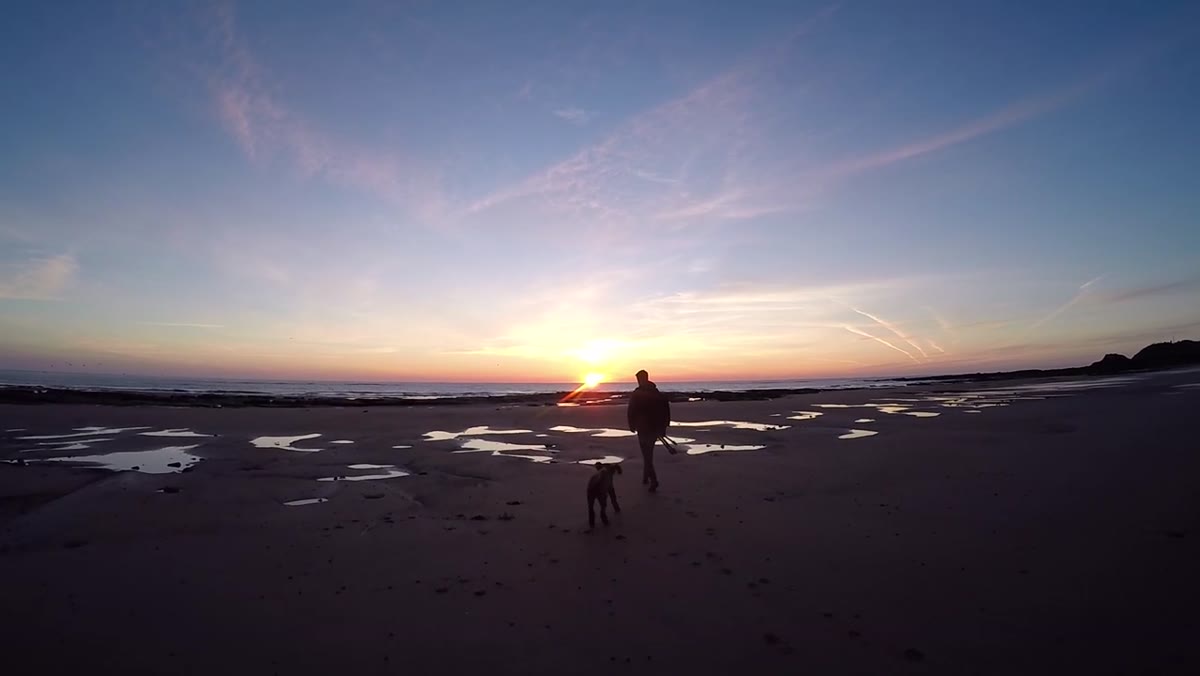 Sun breaking over the ocean horizon, warm light across wet sand
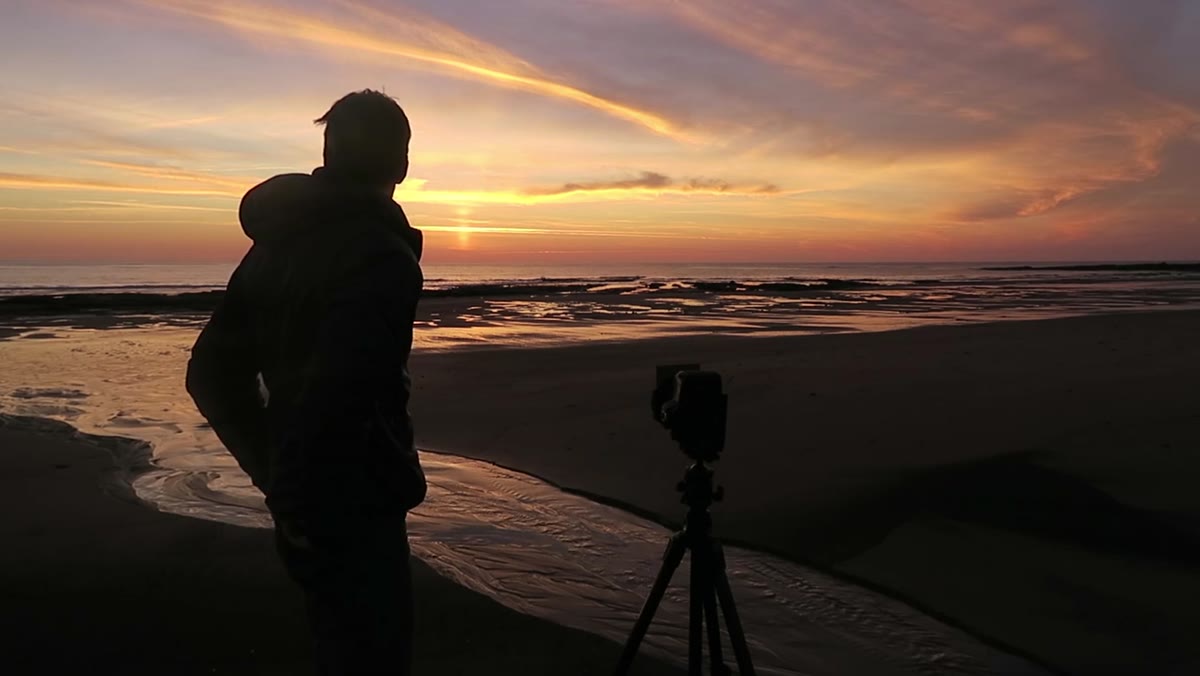
Heaton calls the best light around sunrise “10 minutes of nature at its finest.” That’s not exaggeration. The window from the moment the sun clears the horizon to when it’s high enough to blow out contrast is genuinely brief. If you’re still adjusting your tripod when it peaks, you’ve missed it.
Treat this like a sports photographer treats a decisive moment - everything should be set before the action starts. For golden hour coastal work, I’m typically shooting between f/8 and f/11, ISO 100 to 400 depending on how much light I need to pull from the shadows, and shutter speeds long enough to smooth the water if that’s what the composition calls for. The specific numbers will vary, but the discipline is constant. Know your camera well enough that you’re not hunting through menus when the light turns.
Step 5: Let the Sense of Accomplishment Carry the Rest of Your Day
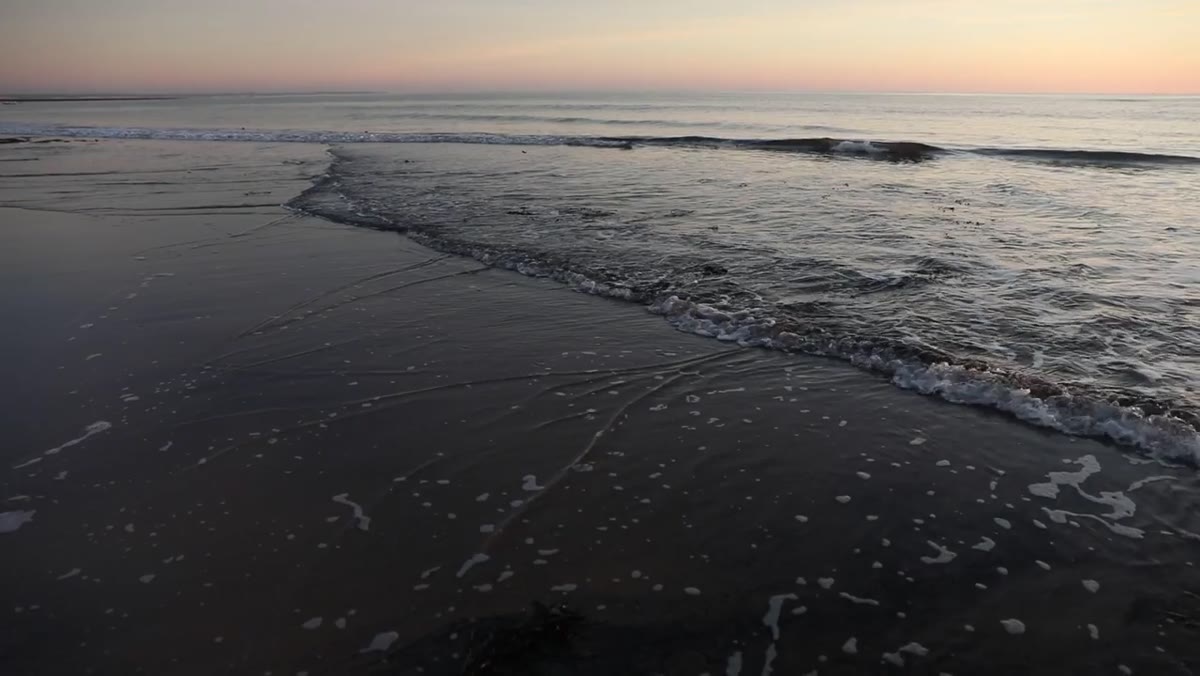 Heaton walking back along the beach, sun fully risen behind him
This is the step photographers often forget to mention because it sounds too personal to be advice. But Heaton is right about this in a way I’ve experienced repeatedly. Getting home at 7am with a card full of images, before most people have made breakfast, produces a kind of satisfaction that resets the entire day. You’ve already done something real. Everything else feels manageable.
After an early shoot I write better, think more clearly, and handle the administrative noise of running a photography business without grinding my teeth. The physical movement, the fresh air, the focus required to actually make images - it compounds. Early mornings don’t cost sleep the way people assume. They replace low-quality evening time with high-quality morning time, and you sleep harder for it.
What I’d Add: The Consistency Beats the Conditions
I’ve had students cancel shoots because the forecast looked uncertain. I understand the instinct, but it’s the wrong call more often than not. The best light I’ve ever photographed came on days that looked unpromising on paper. Clouds create drama. Mist creates depth. Flat light forces you to find structure in the landscape rather than relying on color to do the work for you.
A mentor once told me the mountain doesn’t care about your schedule, and I’ve thought about that most mornings since. You show up, you work with what’s there, and over time the consistency of showing up outperforms the luck of perfect conditions. The photographers getting the strongest work aren’t the ones who wait for the ideal forecast. They’re the ones who go anyway.
The single most important thing Heaton communicates in this tutorial is deceptively simple: nature is accessible, mornings are uncrowded, and you don’t have to travel far to find something worth photographing. Set the alarm. Pack the bag the night before. Get there early enough to breathe for a minute before you start shooting.
Watch the full tutorial on YouTube and pay attention to how Heaton moves through the coastal scene - the way he describes the elements as constantly changing is a good reminder that the best reason to go back to the same location is that it’s never actually the same location twice.
Comments (1)
Applied this to my portfolio shots and the improvement is noticeable.
Leave a Comment