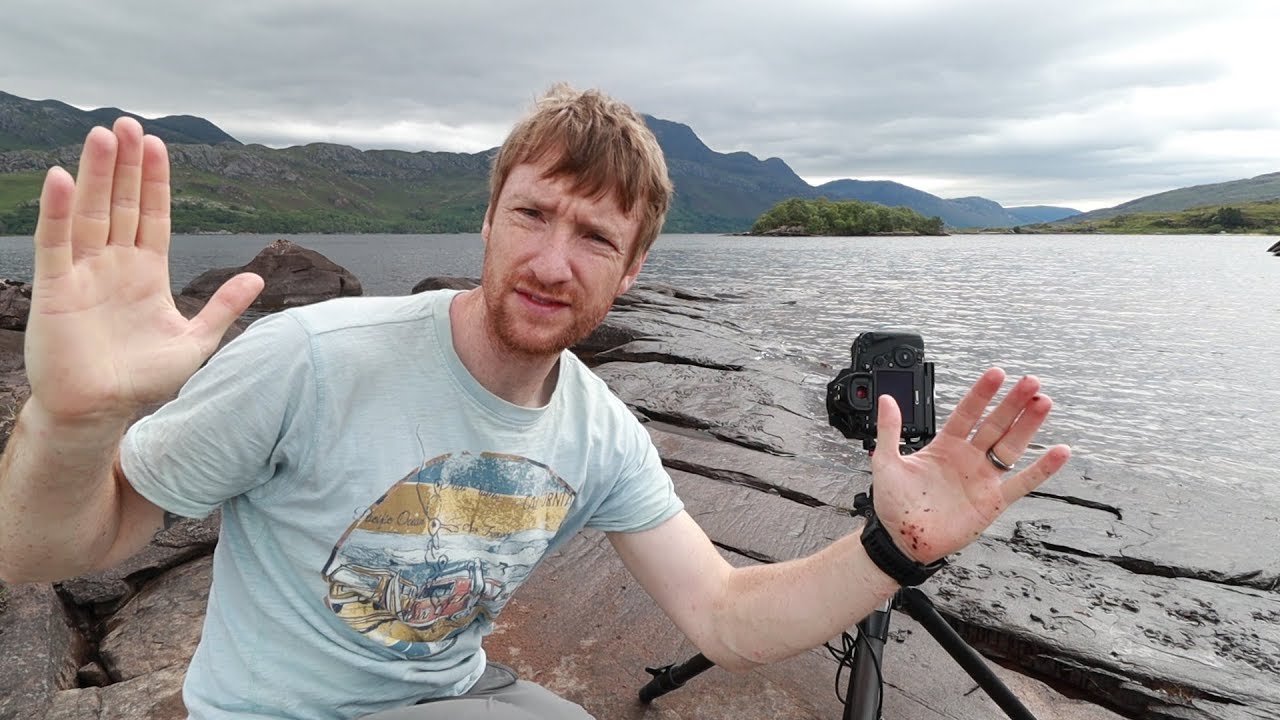
There’s a version of this job that looks glamorous from the outside. Golden light, dramatic peaks, a perfectly timed shot. What those images don’t show is the morning before, when I’m wandering around in flat midday light with no camera in my hand, testing angles, checking how water moves, figuring out where the sun will be at 6am. That unglamorous work is what determines whether I come home with something worth selling, or just another mediocre frame I’ll never look at again. Location scouting is the craft nobody talks about, and it took me years to treat it with the same seriousness I give to exposure or composition.
That’s why I keep coming back to this tutorial from Thomas Heaton, shot in the Northwest Highlands of Scotland. Watch the full tutorial on YouTube – it’s one of the most honest and practically useful pieces of content I’ve seen on the subject. Heaton doesn’t pretend every scouting trip yields a keeper. He shows you the locations that didn’t work out, the false starts, the demolished hillside that looked promising on a map. That honesty is the whole lesson.
What follows is my breakdown of how he approaches a scouting day, with notes from two decades of doing this myself in the high desert and mountain terrain around central Oregon.
Step 1: Accept That Midday Is for Scouting, Not Shooting
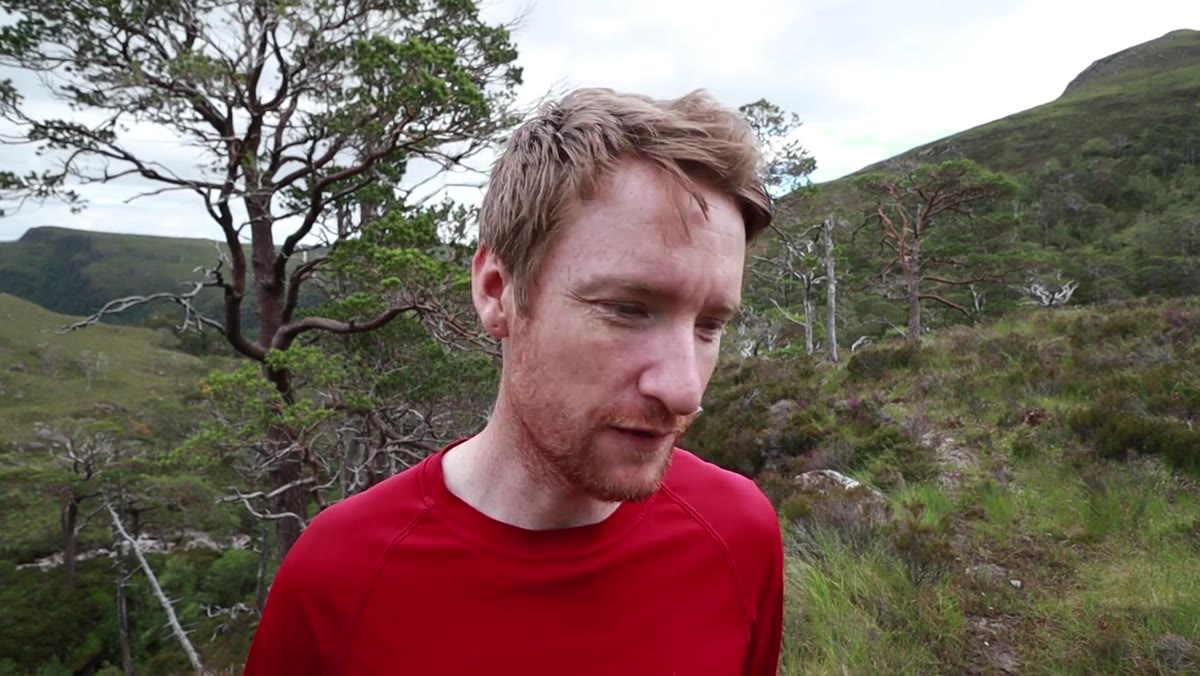 Thomas and Simon walking in woodland during midday light
Heaton opens by framing the scouting trip as a deliberate, purposeful activity scheduled during the worst light of the day. That reframing is important. Too many photographers treat midday as dead time. He treats it as prime time for a different kind of work. When the light is flat and the shadows are harsh, you can read a landscape more clearly. You see structure, not mood. You notice where water pools, where foreground elements sit in relation to background ridgelines, where you’d want to position a tripod when the light gets interesting.
Summer days with long, mild conditions are ideal for covering ground. The goal isn’t to shoot. The goal is to build a mental map of possibilities so that when conditions break right, you already know exactly where to go.
Step 2: Use Maps and Research as a Starting Point – Not a Verdict
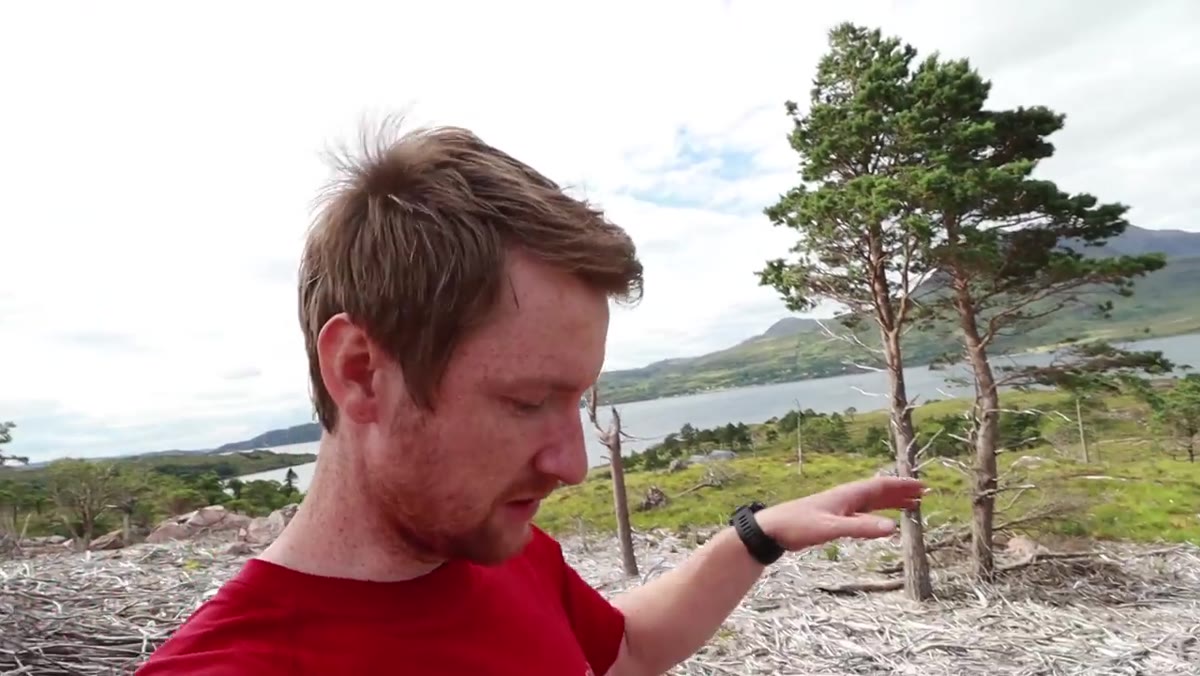 Heaton looking at hillside that appeared promising on a map
Online research, maps, and photography books can point you toward a region worth exploring. Heaton uses them to identify areas of potential interest, spots with water, elevated terrain, interesting tree lines. But he’s clear that none of that research replaces time on the ground. A hillside that looks striking in satellite view can turn out to be a clearcut mess when you actually arrive.
Think of your pre-trip research as building a shortlist. You’re generating candidates, not confirming locations. The map tells you where to look. Your legs and your eyes make the final call. I’ve driven past spots on the highway that weren’t on any list and stopped because something in the light hitting a meadow demanded it. That’s information you can only collect in person.
Step 3: Drive Slowly, Stop Often, Follow Your Instincts
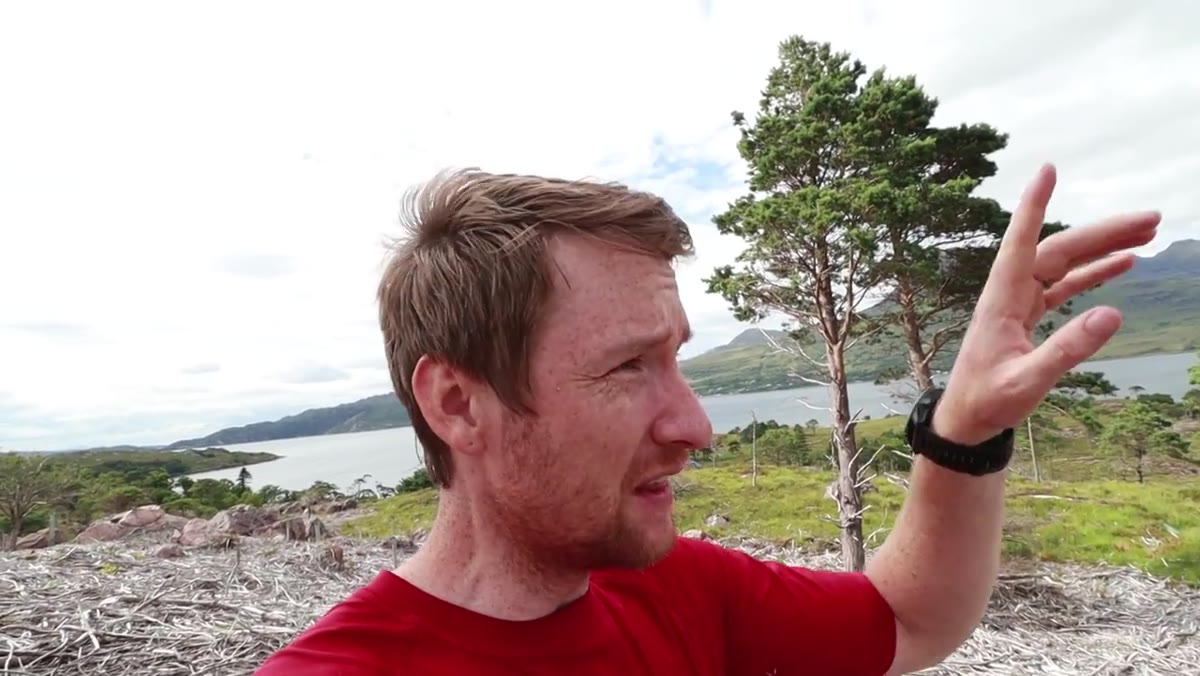 Driving past pine-covered hillside that caught their attention
One of the most underrated scouting techniques Heaton demonstrates is opportunistic stopping. He and his companion are driving through the Highlands and notice a hill with a beautiful stand of pine trees. It wasn’t on the itinerary. They pull over and investigate. The payoff in this case is a disappointment – the other side of the hill is industrial wreckage – but the instinct to stop was correct.
Train yourself to slow down. When something catches your eye through the windshield, give it ten minutes of your time. Most of those detours won’t pan out. A few of them will become the shots you’re known for. I once stopped at a juniper grove in eastern Oregon that I’d driven past a hundred times. I’d always thought it was too familiar to bother with. When I finally stopped, I found a composition I’d somehow never seen. That image is now one of my top-selling prints.
Step 4: Cross Locations Off the List Without Regret
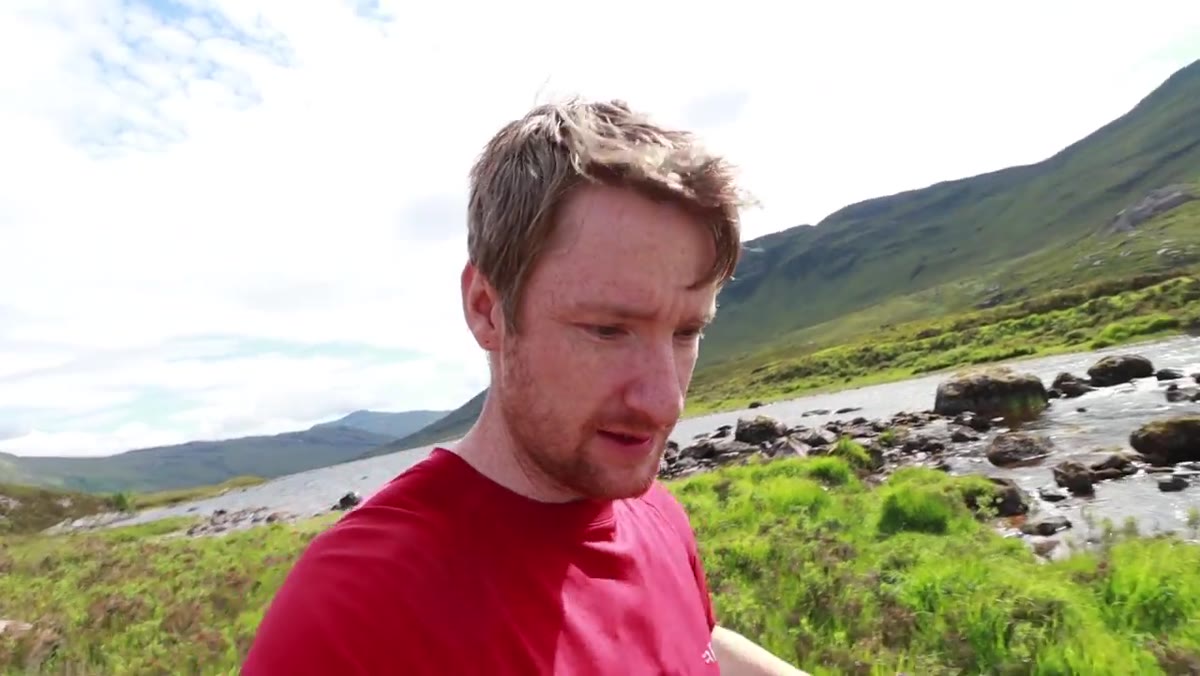 Heaton standing at location that didn’t meet expectations
Heaton makes a point that might feel counterintuitive: finding a location that doesn’t work is a productive outcome. It means you can remove it from consideration and redirect your energy somewhere else. The scouting list gets sharper every time you cross something off.
This is a mindset shift worth practicing deliberately. Photographers often feel like a failed scouting stop is wasted time. It isn’t. You’ve now confirmed that spot won’t hold up under good light, so you won’t drive an hour to it at 4am only to discover that truth in the worst possible moment. Every eliminated location sharpens your map of what’s actually worth returning to.
Step 5: Pre-Visualize Compositions Before the Light Arrives
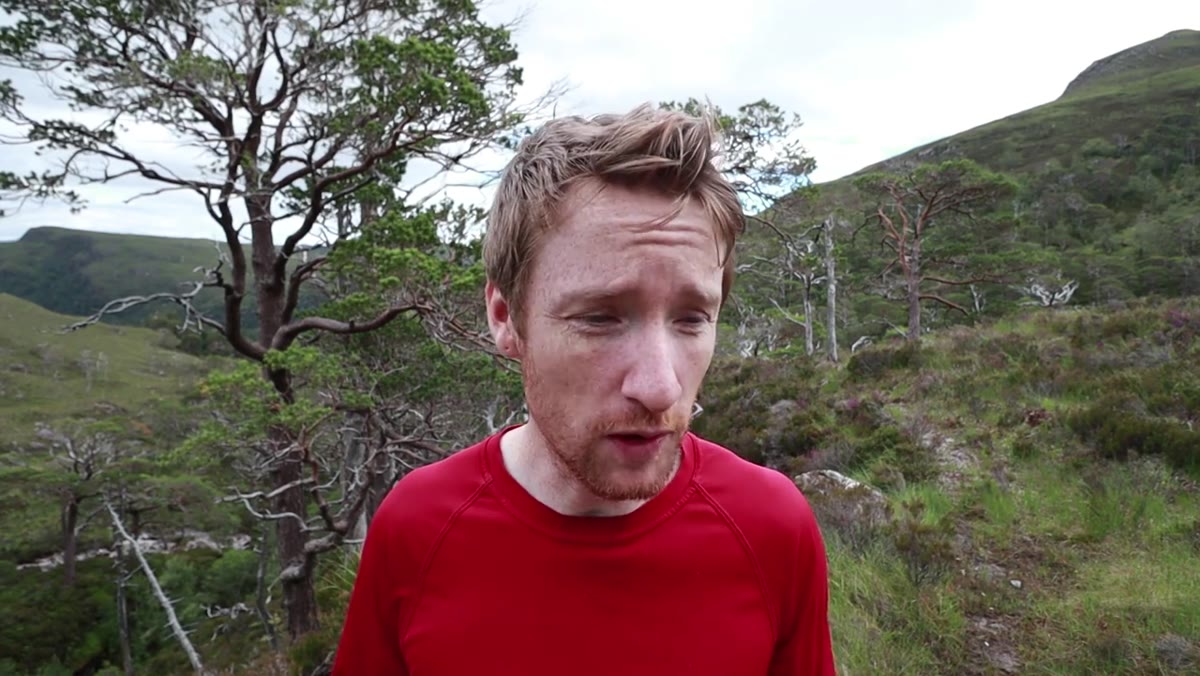 Heaton describing specific compositions he’s already identified
After spending a couple of hours in the woodland and near a loch, Heaton describes already having two or three specific compositions in mind. He knows where he wants to stand, what foreground elements he wants to include, and what direction he’ll be facing when the light improves. The photography itself, when he returns, becomes an execution of a plan rather than a scramble to figure it out under pressure.
This is the core value of a scouting trip. You are front-loading the creative decision-making so that when the light is extraordinary and the window is maybe ten minutes wide, you’re not wasting it figuring out where to put your tripod. You already know. You walk to your mark, you set up, and you work.
Step 6: Read Incoming Weather as a Creative Opportunity
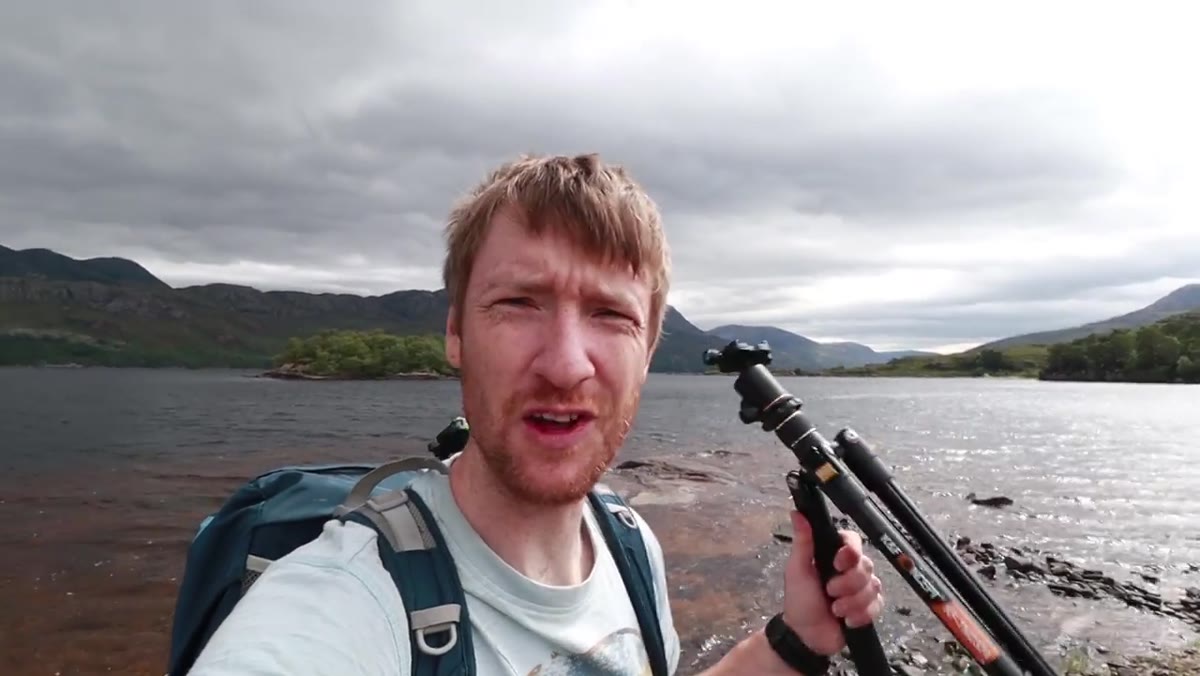 Storm clouds building behind Heaton over the loch in midday light
Late in the scouting day, Heaton finds himself in an interesting position: the storm he’s been watching build is now producing dramatic, broken light in the middle of the afternoon. Light breaking through storm clouds at midday can rival golden hour in its drama, and he recognizes it immediately.
Weather is not the enemy of scouting. It’s information. Incoming rain tells you the cloud structure is active, that you’ll likely see dynamic skies over the next few days. A building storm front can produce extraordinary light in the hour before it closes in. If you’re already on the ground, already familiar with the landscape, you can respond to these windows. Photographers who only come out for “good weather” miss the conditions that produce the most memorable images.
A Note From the Field: The Location Is Never Finished
After twenty years of scouting, I’ve learned that a location is never fully understood. I have spots near Bend I’ve visited dozens of times, and I still occasionally find a new angle I’d never noticed. Seasons change the landscape. Flooding rearranges riverbeds. A tree comes down and opens a view that wasn’t there before.
Build a file, whether physical or digital, of every location you’ve scouted. Note the conditions, the time of year, what did and didn’t work. Return to your best spots during different seasons. The place you dismissed in summer might be extraordinary in January snow. A mentor told me once that the mountain doesn’t care about your schedule, and he was right. The landscape operates on its own time. The best you can do is keep showing up, keep looking, and stay curious long after you think you know a place.
The single most important thing Heaton’s tutorial reinforces is this: the best landscape photographs are made long before the camera comes out of the bag. Put in the scouting hours, and the photography becomes the natural result of preparation meeting the right light.
Watch the full tutorial on YouTube and pay attention to the moments that don’t work out. That’s where the real teaching is.
Comments (4)
Shared this with my photography group. Everyone loved it.
Finally someone explains this in a way that actually makes sense.
Never thought of approaching it this way. Really creative.
Shared this with my photography group. Everyone loved it.
Leave a Comment